-

-

Photo: Innotime - Kovács Bence -

Photo: Innotime - Kovács Bence -

-

Photo: Innotime - Kovács Bence




Château de Somoskő
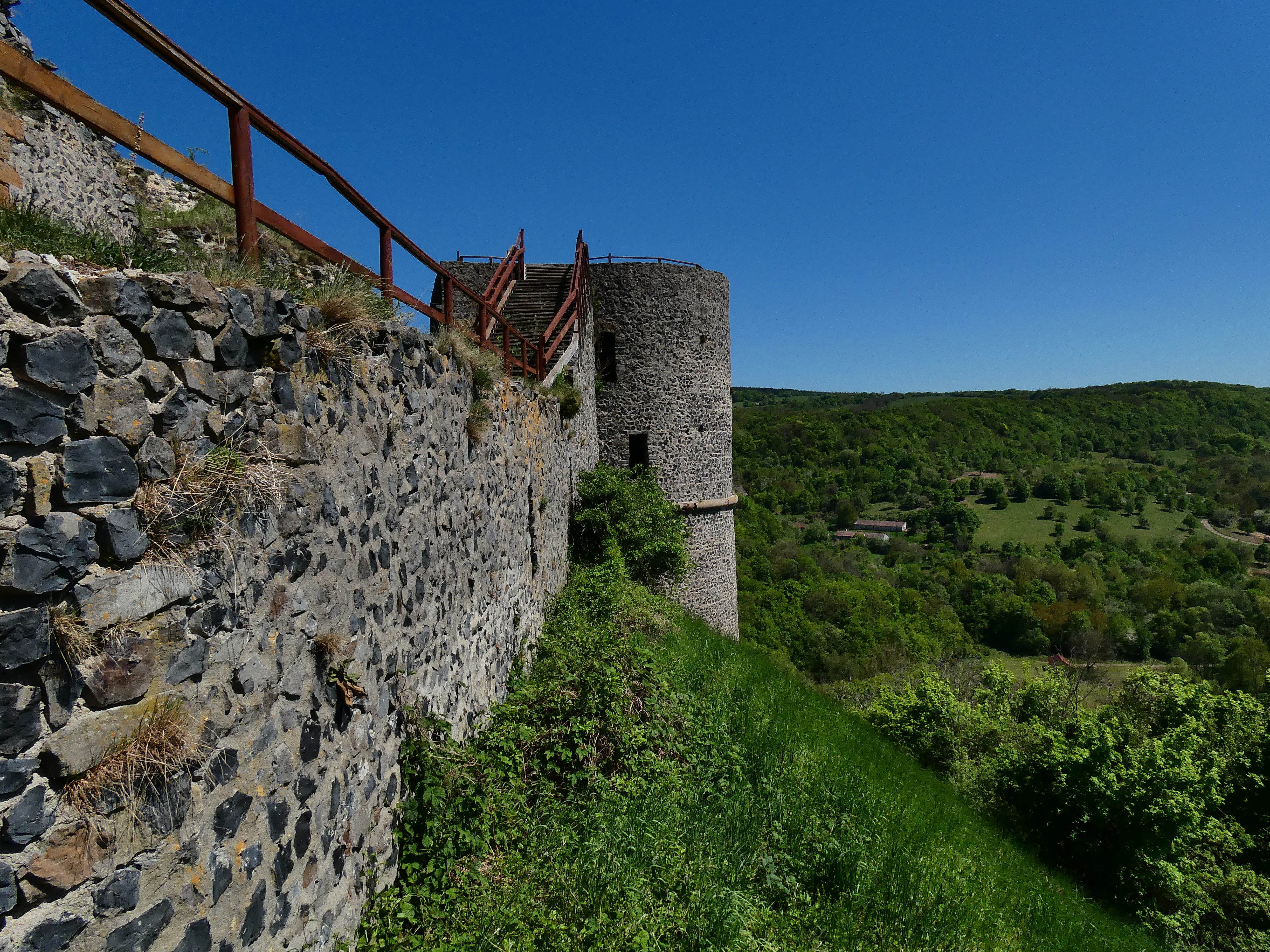
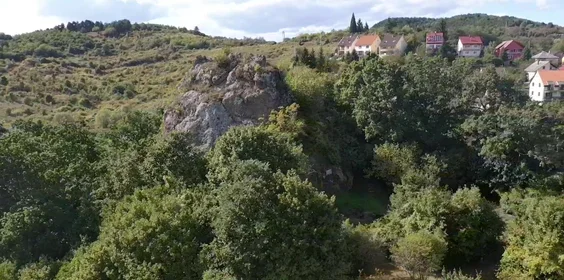
Perché sur un cône volcanique dominant le hameau de Somoskő, rattaché à Salgótarján, le château de Somoskő est bien plus que les ruines d'une forteresse médiévale : il constitue un point de rencontre unique entre l'histoire hongroise et la nature. Le château et ses environs revêtent une importance exceptionnelle, tant sur le plan historique que géologique et touristique.
Plus d'informations
Medieval Origins and Strategic Importance
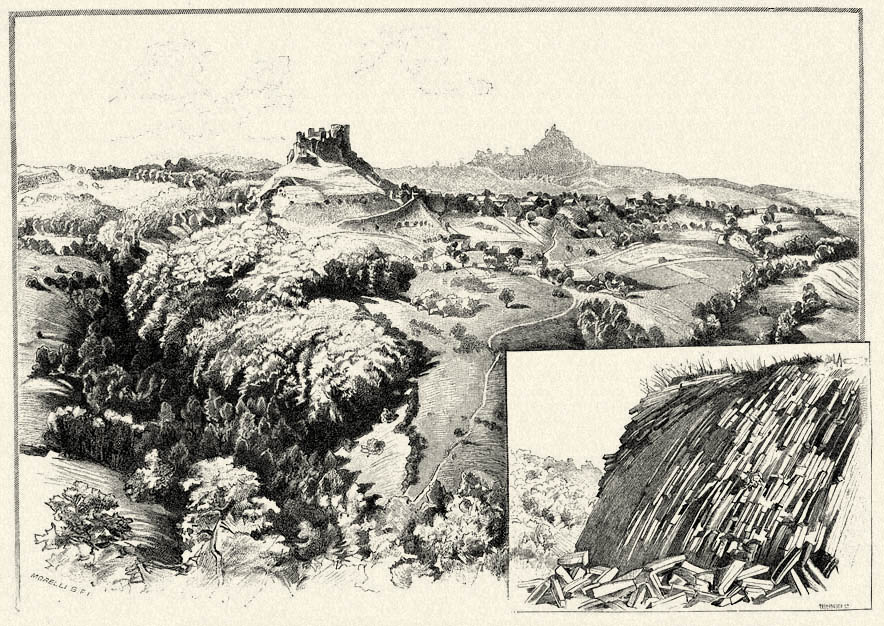
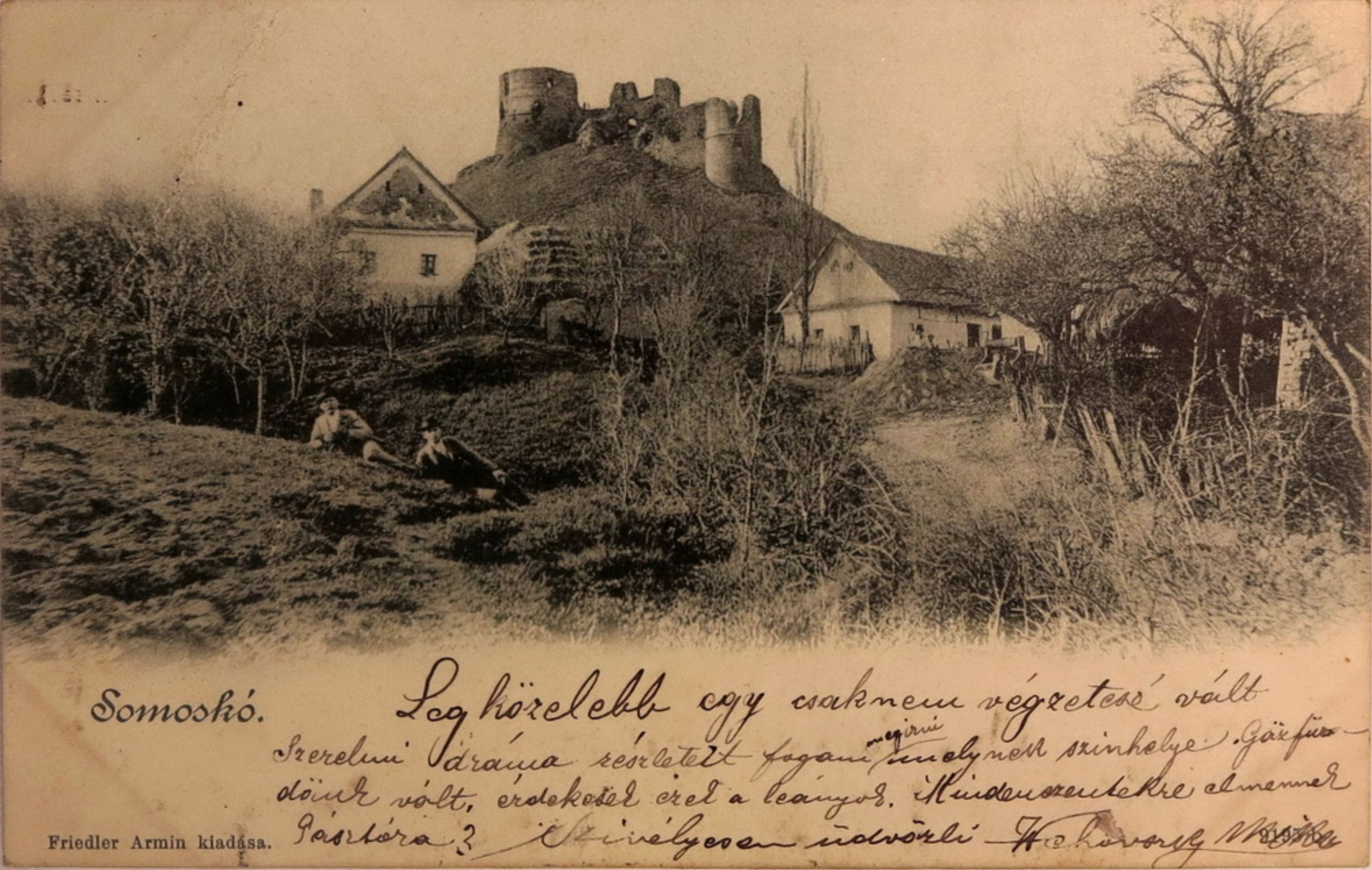
The castle was built at the end of the 13th century by a branch of the Kacsics noble family. Its elevated position offered natural defence and excellent visibility over the surrounding area, making it a valuable military outpost. Over the centuries, it passed through the hands of several noble families including the Szécsényi, Losonczy, Forgách, and Rákóczi families, each of whom strengthened and expanded it.
In the 16th century, as the Ottoman threat grew, Somoskő became part of the Hungarian border fortress system. It was captured by the Turks in 1576 but reclaimed in 1593 by Miklós Pálffy, and remained an important stronghold until the end of Ottoman rule in Hungary.
Mining, Decline, and Ruin
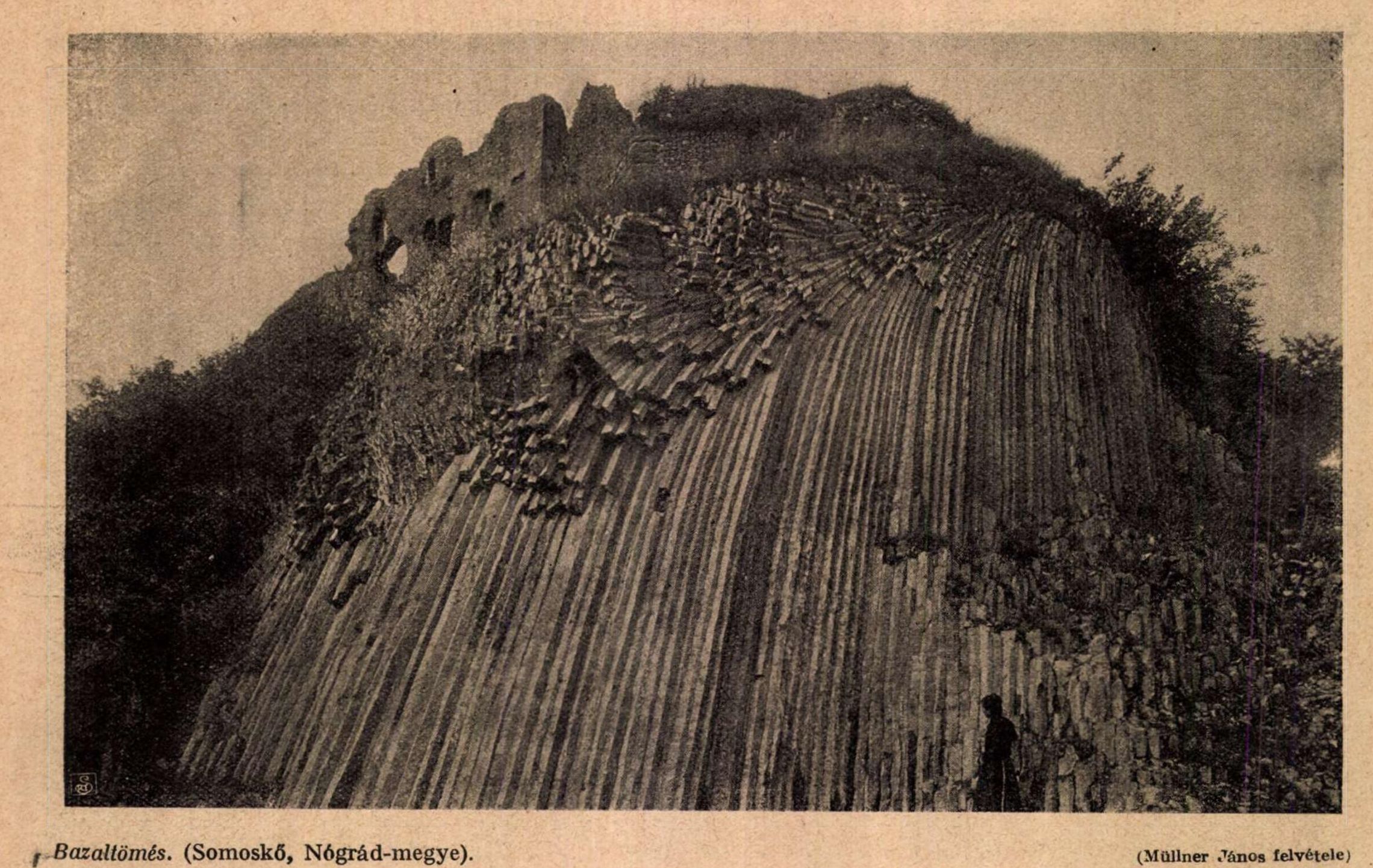
The 18th century brought the end of the castle’s military role, and it began to fall into disrepair. In the late 19th century, basalt mining started in the area – targeting the unique columnar formations around the volcanic hill – and the excavation caused structural damage to the already ruined castle.
After the 1st World War
After the Treaty of Trianon in 1920, the castle was ceded to Czechoslovakia, while the village of Somoskő remained part of Hungary. Although physically connected, the castle and the village found themselves in separate countries. For decades, visiting the castle from the Hungarian side required crossing a national border.
This changed with Slovakia’s accession to the Schengen Zone in 2007. Today, visitors can freely walk across the border to explore the castle ruins without restrictions or border checks.
Natural Heritage – The Basalt Columns
The volcanic hill on which the castle stands is home to spectacular basalt columns, formed by the cooling and cracking of lava. These columnar basalt formations are among the finest in Central Europe. At sunset, the rocks glow golden, offering a truly magical sight.
The area is part of the Novohrad–Nógrád Geopark, a UNESCO-supported cross-border initiative that protects and promotes the region’s exceptional geological and cultural heritage.
Hiking and Visitor Information
The castle is accessible on foot via a scenic trail starting from the village of Somoskő. Along the way, visitors can explore the protected natural environment and read educational panels about the geology and history of the site.
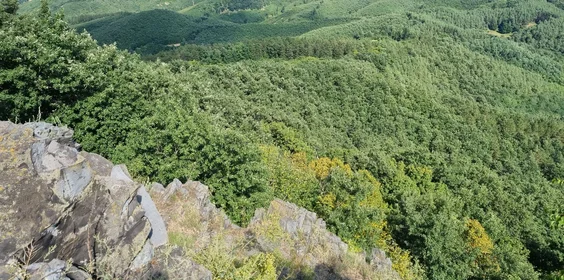
The castle is open year-round and free of charge. From the lookout tower at the top, you can enjoy breathtaking views of the Cserhát hills, the Medves Plateau, and even the Mátra mountains in the distance.
Public cible
-
Voyage scolaire
-
Familles avec jeunes enfants
-
Familles avec enfants plus âgés
-
Programmes intergénérationnels
-
Groupes d’amis
-
Seniors
-
Couples
Autres services
Attractions, programmes
Tous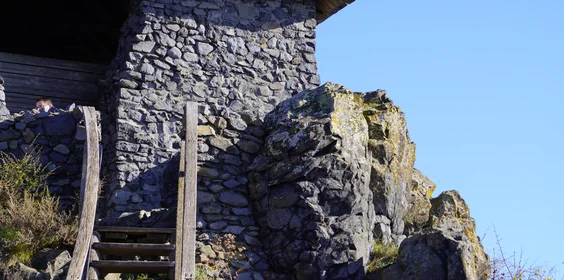
Rapport sur l'état de la durabilité
Les valeurs présentées ici proviennent du système d'auto-évaluation interne d'I-DEST, qui mesure les progrès d'un prestataire ou d'un site dans différents domaines de développement durable. Il ne s'agit pas de notes, mais plutôt de retours informatifs pour favoriser l'amélioration. Aliments et produits
 Soin des personnes
 Emploi équitable
 Réduction de la pollution
 Soin pour le climat
 Réduction des déchets
 Soin de l’eau
 Soin de la nature
 Soin de la culture
 Gestion et information