Bodrogkeresztúr
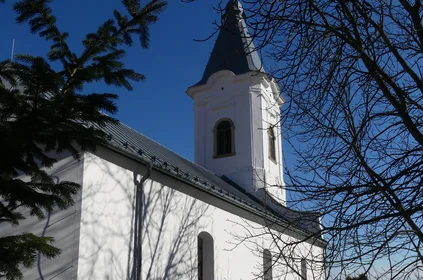
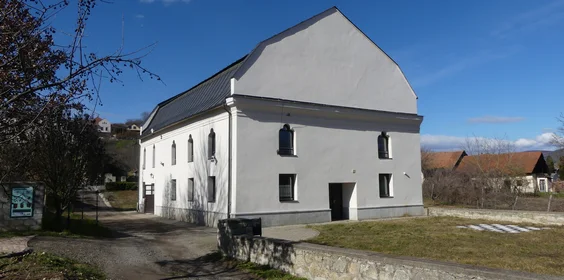
The history of the town dates back to ancient times, and it was named after a church dedicated to the Holy Cross. The name Bodrogkeresztúr first appeared in a charter from 1239. From 1411, the village became part of the Tokaj castle estate, with notable owners including János Garai, György Brankovics, János Hunyadi and his wife, and later Matthias Hunyadi, who pledged the settlement to Imre Szapolyai.
In urbariums from 1517 and 1520, Bodrogkeresztúr is already mentioned as a market town, with a population that exceeded that of Tokaj at the time. Although records indicate that the Turks destroyed it before 1567, the settlement was soon rebuilt, and its economic and social life revived.
By the 17th century, Bodrogkeresztúr held four national fairs annually, operated a daily market, maintained a butcher’s shop, had the right to sell wine, elected its own judges, and even held the right of the sword. Among its landowners were István Bocskai, Gábor Báthory, and the Rákóczi family.
After the fall of the War of Independence led by Ferenc Rákóczi II, the settlement entered the 18th century economically exhausted and plundered. Nevertheless, thanks to viticulture, winemaking, and the resilient work of its inhabitants, Bodrogkeresztúr managed to recover.
In the 19th century, with the dissolution of market towns, Bodrogkeresztúr transitioned into a village.
찾아가는 방법
- 도보
- 말
- 노 젓기 (카약, 카누, 보트)
- 자전거
- 전기 자전거
- 기차로
- 대여 버스
- 보트
- 보트 (요트, 모터보트)
- 오토바이
- 자동차
도착
- 도보
- 말
- 자전거
- 전기 자전거
- 오토바이
- 자동차
명소, 프로그램
전체
숙박 시설
여기에서 무엇을 찾을 수 있나요?
-
음식/케이터링
-
관광 명소
이 목적지를 포함하는 경로


경로 보기


경로 보기

경로 보기
대중교통
- 기차
- 버스
- 보트
주차 정보
- 무료 야외 주차 가능
- 무료 버스 주차 가능
지속 가능성 상태 보고서
주제 1: 목적지 관리 54%
- 방문자 관리: 3/5 80%
- 헌신 및 조직: 1/4 25%
- 디자인 및 개발: 1/6 17%
- 모니터링 및 보고: 2/4 50%
- 법적 및 윤리적 준수: 2/2 100%
주제 2: 자연 및 경관 80%
- 자연 및 야생 동물 보호: 3/3 100%
- 자연 및 보존: 3/5 60%
주제 3: 환경 및 기후 42%
- 토지 이용 및 오염: 1/3 33%
- 물 관리: 2/5 40%
- 에너지, 지속 가능한 이동성 및 기후 변화: 2/7 29%
- 기후 변화에 대한 적응: 1/2 50%
- 폐기물 및 재활용: 3/5 60%
주제 4: 문화와 전통 100%
- 문화 유산: 3/3 100%
- 사람과 전통: 4/4 100%
주제 5: 사회 복지 75%
- 건강 및 안전: 1/2 50%
- 지역 경제: 4/5 90%
- 사회경제적 영향: 1/2 50%
- 지역사회 참여: 4/4 100%
- 인간 존엄성: 6/7 86%
주제 6: 사업 및 커뮤니케이션 61%
- 사업 참여: 2/9 22%
- 정보 및 마케팅: 3/3 100%