-

Foto: Horváth Csongor -

Foto: Bozsó Gyula -

Foto: Horváth Csongor -

Foto: Horváth Csongor -

Foto: Horváth Csongor


Miskolc
If you are drawn to historical, musical, artistic, and architectural heritage, enjoy hiking in the woods, engaging in extreme sports, cycling, swimming, or simply relaxing, Miskolc is the perfect choice for you. Located at the edge of the Bükk National Park, in the Bükk Region UNESCO Global Geopark, the city nestled in the embrace of the Bükk Mountains offers unique experiences for all age groups.
Miskolc is one of the oldest settlements in the country, with evidence of human presence on Avas Hill dating back 70,000 years. One of its most significant landmarks is the Diósgyőr Castle, a medieval fortress that served as a wedding gift for queens during the Renaissance, a site for witch trials, and a venue for lute performances.
The Szinva Stream flows through the city center, adding charm to the city's squares and terraces. Visitors should explore Erzsébet Square, the floral clock on Szent István Square, the Lovers' Bridge, and the Miskolc Girls Statue on Szinva Terrace. Beneath Avas Hill, numerous wine cellars and wine houses are tucked away, while the Avas Lookout Tower at the top offers panoramic views of the city and its surroundings.
Miskolc is rich in historical and cultural treasures. It is home to the country’s most comprehensive mineral collection and the most extensive collection of Hungarian paintings in the region, housed in the Herman Ottó Museum Gallery. The Greek Orthodox Church's 16-meter-tall iconostasis is the largest icon wall in Central Europe. The wooden Plank Church (Deszkatemplom) is a true rarity. Miskolc is also home to the country’s first Hungarian-language stone theater, which today boasts one of the largest theater spaces in Central Europe and annually hosts an opera festival.
The city offers a wealth of museums. The Miskolc Gallery is a prominent venue for Hungarian graphic arts, the Theater History and Actor Museum delves into Miskolc's rich theatrical tradition, and the Laser Point Exhibition Center features a diverse collection ranging from Carpathian Basin folk costumes to recent historical artifacts, minerals, and optical curiosities.
The Cave Bath in Miskolctapolca offers a unique bathing experience, known for its beneficial effects on cardiovascular, musculoskeletal, and respiratory conditions. Visitors can also experience one of the country's most exciting bob tracks, while the zoo and cultural park in Csanyik Valley offer educational nature trails to explore local flora and fauna.
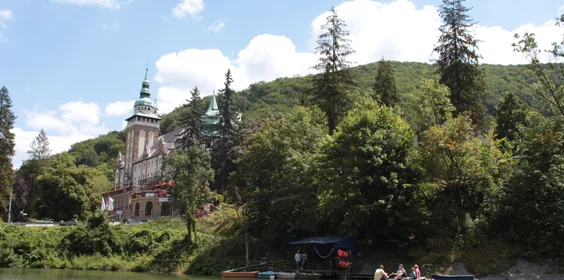
Miskolc is surrounded by the Bükk Mountains, which provide excellent hiking opportunities throughout the year. The hanging gardens of the Lillafüred Palace Hotel and the Szinva Waterfall further enhance the area's enchantment. The former home of renowned naturalist Ottó Herman, known as "Pele-lak," is now a memorial museum open to visitors. At the Szeleta Park Visitor Center, guests can learn about the ancient prehistoric people who once lived in the area. From the city, visitors can venture into the Bükk Forest on a narrow-gauge forest train. The Palota Hotel, the Bükk Circle, and the Bükk National Park Directorate also organize "Edible Forest" tours and dinners, offering guests a taste of the flavors of the Bükk region.
Como chegar
- De bicicleta
- De bicicleta elétrica
- De trem
- De ônibus (alugado para a viagem)
- De moto
- De carro
Chegada
- A pé
- De bicicleta
- De bicicleta elétrica
- De ônibus público
- De ônibus (alugado para a viagem)
- De moto
- De carro
- Tramtrain / HÉV
Atrações, programas
Todos
Acomodações
Todos
O que você encontrará aqui?
-
Locais para eventos
-
Alimentação/Catering
-
Pontos turísticos
-
-
Igreja do Galo - Igreja Reformada do Centro
Lago Hámori
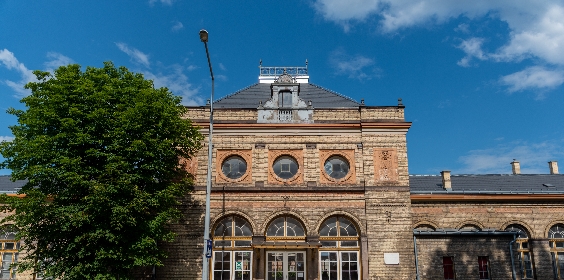
Estação Gömöri
Ellipsum
A Praça Deák em Miskolc
Avas Arboreto
Igreja e Torre do Sino de Avas
Prefeitura
Ferrovia Florestal Estatal de Lillafüred
Praça Erzsébet
Terraço Szinva
Praça Búza de Miskolc
Praça dos Torneios de Cavalaria e Feira
Centro de Visitantes do Parque Szeleta
Catedral de Nossa Senhora da Assunção
Teatro Nacional de Miskolc
Igreja Ortodoxa da Santíssima Trindade
Zoológico de Miskolc
Sötétkapu
Praça dos Heróis
Museu Mar de Pannon
Praça Papa João Paulo II
Horváth Hill
Bobpálya
Palácio Weidlich
Praça Santo Estêvão
Jardim do Povo
Ponte dos Amantes
Rua Széchenyi
Depósito Arqueológico Aberto
Torre de Observação Zsófia
Cachoeira de Lillafüred
Álamo-Negro de Bulgárföld
Semáforo
Lago de Passeio
Miskolctapolcai Barlangfürdő
Avas
Lillafüredi Libegőpark
Estação Ferroviária Tiszai
Földes Ferenc Gimnázium
Igreja Minorita
Igreja Mindszent
Universidade de Miskolc
Miskolci Kalandpark
Coleção de Mineração
Capela da Rocha
Casa Memorial Herman Ottó (Pele-lak)
Igreja do Santo Nome de Maria
Jardim Suspenso de Lillafüred
Galeria de Miskolc - Casa Petró
Galeria de Miskolc - Casa Rákóczi
Cruz de Limpias
Caverna Szeleta
O sistema de parques de Miskolctapolca
Kemény Dénes Centro Esportivo Aquático
Museu do Ator - Casa Thália
Szent István-barlang
Miskolctapolcai Kalandtúrapark
Rua Déryné
Anna-barlang
Igreja de Madeira
Galeria do Museu Herman Ottó
Torre de Observação de Avas
Eventos
Todos


Transporte público
- ferrovia
- ônibus
Informações de estacionamento
- Estacionamento externo gratuito disponível
- Estacionamento pago disponível
- Estacionamento coberto vigiado
- Estacionamento aberto vigiado
- Carregamento de carros elétricos disponível (sujeito a taxas)
Relatório de status de sustentabilidade
Tópico 1: Gestão de Destinos 47%
- Gerenciamento de visitantes: 3/5 70%
- Compromisso e organização: 1/4 50%
- Design e desenvolvimento: 1/6 17%
- Monitoramento e relatórios: 2/4 50%
- Conformidade legal e ética: 1/2 50%
Tópico 2: Natureza e paisagem 72%
- Proteção da natureza e da vida selvagem: 2/3 83%
- Natureza e conservação: 2/5 60%
Tópico 3: Meio ambiente e clima 60%
- Uso da terra e poluição: 0/3 17%
- Gestão de água: 2/5 40%
- Energia, mobilidade sustentável e mudanças climáticas: 6/7 86%
- Adaptação às mudanças climáticas: 2/2 100%
- Resíduos e reciclagem: 3/5 60%
Tópico 4: Cultura e tradições 100%
- Patrimônio cultural: 3/3 100%
- Pessoas e tradições: 4/4 100%
Tópico 5: Bem-estar social 60%
- Saúde e segurança: 1/2 50%
- Economia local: 4/5 80%
- Impactos socioeconômicos: 0/2 0%
- Participação da comunidade: 4/4 100%
- Dignidade humana: 5/7 71%
Tópico 6: Negócios e comunicação 61%
- Participação empresarial: 5/9 56%
- Informações e marketing: 2/3 67%