-

Photo: Innotime -

Photo: Innotime -

Photo: Innotime -

Photo: Innotime -

Photo: Innotime


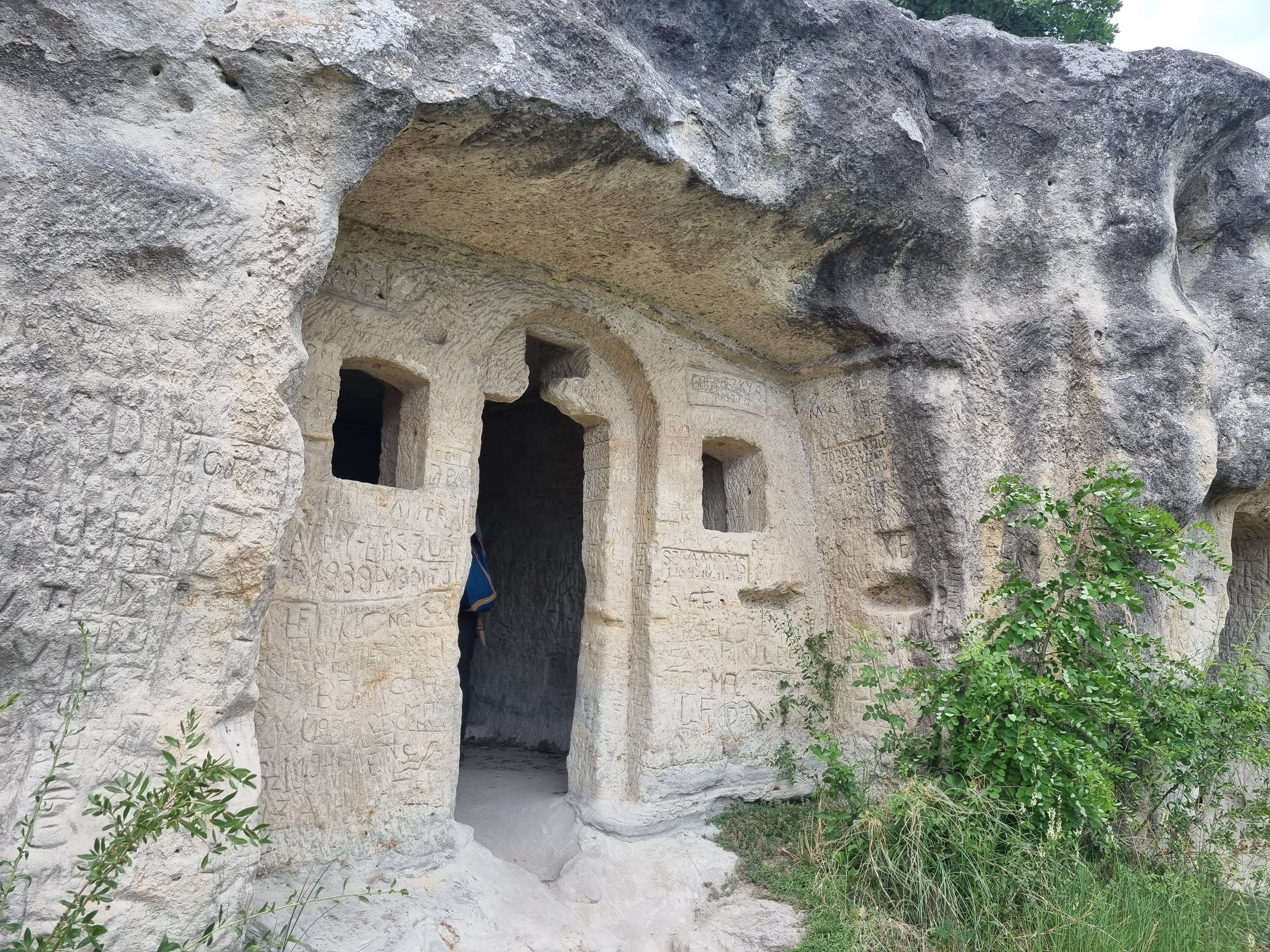


Habitations troglodytiques
Les Habitations troglodytiques de Szentkút illustrent de manière unique comment la nature et la spiritualité, la géologie et la présence humaine peuvent s’entrelacer, tout en adoptant une approche de tourisme durable permettant de préserver ces valeurs pour les générations futures. Le site est facilement accessible à pied et s’intègre parfaitement aux itinéraires thématiques de la région, aux programmes géotouristiques et aux activités d’éducation à l’environnement.
Plus d'informations
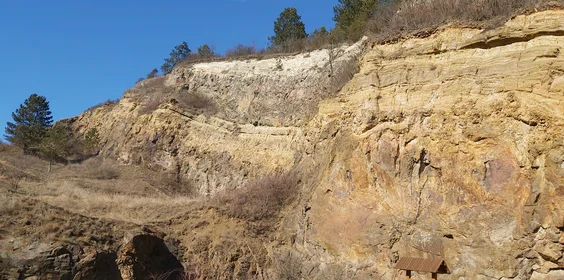
En approchant de Mátraverebély-Szentkút, sur le flanc du Meszes-tető, se dévoile une falaise blanche exceptionnelle d’environ 300 mètres de long. Ce site fait partie du patrimoine naturel et culturel, témoignant à la fois des processus géologiques anciens et de la foi déterminée des ermites qui y vivaient.
A Visit-Worthy Geotope in the Novohrad–Nógrád UNESCO Global Geopark
The cliffs consist of sandstone and lime-rich calcarenite layers formed during the Miocene epoch, around 14–15 million years ago. These sediments include fine volcanic debris and fossilised remnants of ancient marine organisms, reflecting the region’s former volcanic and marine environment. Over time, natural cavities formed in the looser layers—and during the Middle Ages, these were enlarged and shaped by human hands, giving birth to the hermit dwellings.
Geological Highlights
The rock faces of the hermit caves clearly display signs of ancient landslides and seismic activity. Distorted layering and structural displacements reveal the area’s tectonic history, offering not only scientific value but also educational potential. This geotope is ideal for outdoor learning, thematic walks, and school excursions focused on geology and sustainability.
In the Footsteps of Hermits
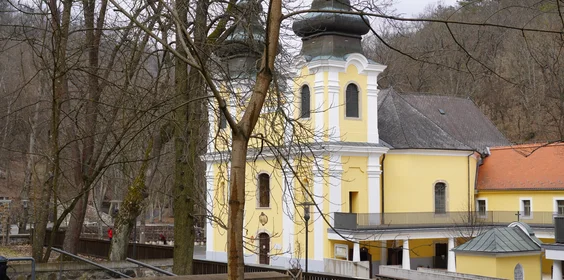
From the 13th to the late 18th century, these rock-cut cells were inhabited by Christian hermits seeking solitude, contemplation, and spiritual deepening. The dwellings form part of the Hungarian Catholic Church's sacred heritage and are closely linked to the nearby National Shrine of Mátraverebély-Szentkút, a living pilgrimage destination that still attracts tens of thousands of visitors each year.
Public cible
-
Voyage scolaire
-
Familles avec jeunes enfants
-
Familles avec enfants plus âgés
-
Programmes intergénérationnels
-
Groupes d’amis
-
Seniors
-
Couples