Bodrogkeresztúr
The history of the town dates back to ancient times, and it was named after a church dedicated to the Holy Cross. The name Bodrogkeresztúr first appeared in a charter from 1239. From 1411, the village became part of the Tokaj castle estate, with notable owners including János Garai, György Brankovics, János Hunyadi and his wife, and later Matthias Hunyadi, who pledged the settlement to Imre Szapolyai.
In urbariums from 1517 and 1520, Bodrogkeresztúr is already mentioned as a market town, with a population that exceeded that of Tokaj at the time. Although records indicate that the Turks destroyed it before 1567, the settlement was soon rebuilt, and its economic and social life revived.
By the 17th century, Bodrogkeresztúr held four national fairs annually, operated a daily market, maintained a butcher’s shop, had the right to sell wine, elected its own judges, and even held the right of the sword. Among its landowners were István Bocskai, Gábor Báthory, and the Rákóczi family.
After the fall of the War of Independence led by Ferenc Rákóczi II, the settlement entered the 18th century economically exhausted and plundered. Nevertheless, thanks to viticulture, winemaking, and the resilient work of its inhabitants, Bodrogkeresztúr managed to recover.
In the 19th century, with the dissolution of market towns, Bodrogkeresztúr transitioned into a village.
Dojazd
- Pieszo
- Koniem
- Wiosłując (kajakiem, kanu, łódką)
- Rowerem
- Rowerem elektrycznym
- Pociągiem
- (Autobusem wynajętym na podróż)
- Łódź
- Łodzią (żaglówką, motorową)
- Motocyklem
- Samochodem
Przyjazd
- Pieszo
- Koniem
- Rowerem
- Rowerem elektrycznym
- Motocyklem
- Samochodem
Atrakcje, programy
Pokaż wszystko
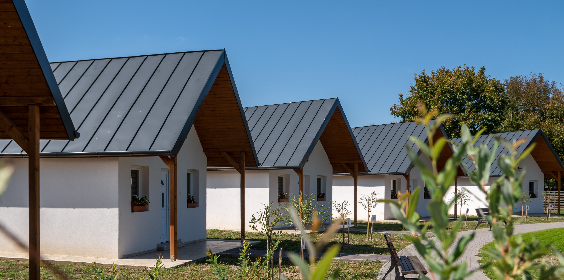
Noclegi
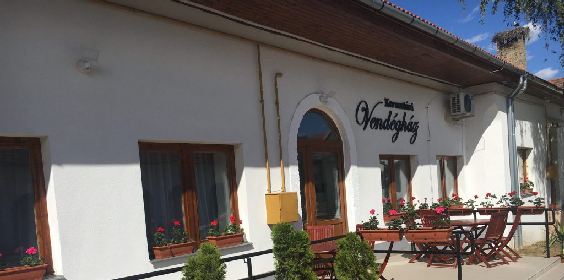
Co znajdziesz tutaj?
-
Jedzenie/Catering
-
Atrakcje turystyczne
-
-
Skarbiec Bodrogkeresztúr
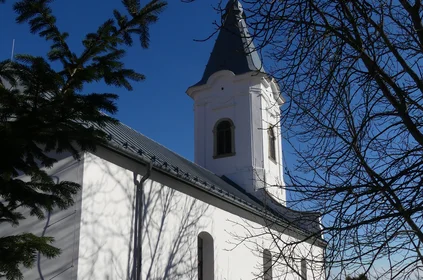
Kościół Kalwiński
Centrum Ochrony Bocianów
Acetánia
Dom Rákóczich
Fülöp, bocian - bocianie gniazda w Bodrogkeresztúr
Fontanna Griff, Bodrogkeresztúr
Cerkiew greckokatolicka pw. św. Jerzego Wielkiego Męczennika
Pałac Széchenyi-Wolkenstein w Bodrogkeresztúr
Ratusz Wiejski
Kościół rzymskokatolicki
Dom Rabina
Pomnik węgierskiego księcia Ferenca Rákóczi II.
Trasy z tym miejscem docelowym

Zobacz trasę

Zobacz trasę

Zobacz trasę

Zobacz trasę
Transport publiczny
- Kolej
- Autobus
- Statek
Informacje o parkowaniu
- Dostępny bezpłatny parking zewnętrzny
- Dostępny bezpłatny parking dla autobusów
Raport o stanie zrównoważonego rozwoju
Temat 1: Zarządzanie destynacją 54%
- Zarządzanie odwiedzającymi: 3/5 80%
- Zaangażowanie i organizacja: 1/4 25%
- Projekt i rozwój: 1/6 17%
- Monitorowanie i raportowanie: 2/4 50%
- Zgodność z prawem i etyką: 2/2 100%
Temat 2: Przyroda i krajobraz 80%
- Ochrona przyrody i dzikiej przyrody: 3/3 100%
- Przyroda i ochrona: 3/5 60%
Temat 3: Środowisko i klimat 42%
- Użytkowanie gruntów i zanieczyszczenie: 1/3 33%
- Gospodarka wodna: 2/5 40%
- Energia, zrównoważona mobilność i zmiana klimatu: 2/7 29%
- Adaptacja do zmian klimatu: 1/2 50%
- Odpady i recykling: 3/5 60%
Temat 4: Kultura i tradycje 100%
- Dziedzictwo kulturowe: 3/3 100%
- Ludzie i tradycje: 4/4 100%
Temat 5: Dobrobyt społeczny 75%
- Zdrowie i bezpieczeństwo: 1/2 50%
- Lokalna gospodarka: 4/5 90%
- Wpływ społeczno-ekonomiczny: 1/2 50%
- Udział społeczności: 4/4 100%
- Godność człowieka: 6/7 86%
Temat 6: Biznes i komunikacja 61%
- Udział przedsiębiorstw: 2/9 22%
- Informacje i marketing: 3/3 100%