-

Zdjęcie: Innotime -

Zdjęcie: Innotime -

-

Zdjęcie: Innotime -


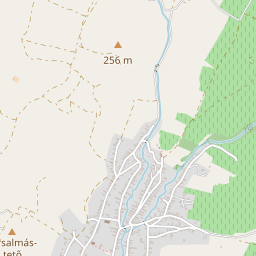
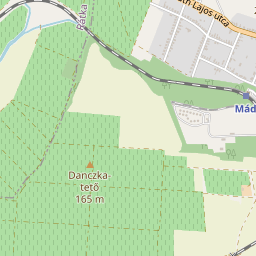
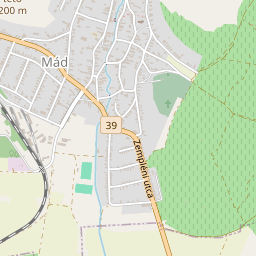
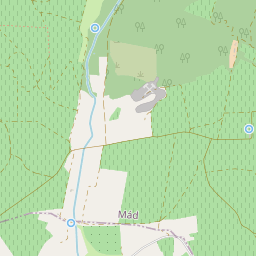
Mád
In the first half of the 16th century, Paracelsus recalled his visit to Tokaj-Hegyalja as follows: "I saw with my own eyes when I traveled through Upper Hungary and visited Tokaj, along with its surroundings—Mád, Tarcal, and Tállya. One of the hosts showed me a split grapevine, in which fine golden threads ran along its length, similar to those used for weaving.” Although golden grapevines are not found in Mád, the grapes grown here and the wines made from them are considered extraordinary, even within Tokaj-Hegyalja. This is due to the mineral-rich soil of the vineyards, which has made Mád’s wines renowned for their healing properties for centuries. Additionally, zeolite mined near the town, often referred to as "healing stones," is used for medical purposes.
Mád is rightfully famous for its flavorful wines, fertile vineyards, and the many renowned winemakers who cultivate them. The first written record of the settlement dates back to 1255, while the earliest mention of viticulture is from 1332. Throughout the Middle Ages, several landowning dynasties resided here, intertwining the town’s history with that of its lords. Mád gained market town status in 1620, and throughout history, it has always been a prominent location for producing excellent Hungarian wines. Its residents were known for their prosperity and visible wealth, building their houses from stone and storing their wines in carefully crafted cellars and barrels.
Dojazd
- Pieszo
- Koniem
- Rowerem
- Rowerem elektrycznym
- (Autobusem wynajętym na podróż)
- Motocyklem
- Samochodem
Przyjazd
- Pieszo
- Koniem
- Rowerem
- Rowerem elektrycznym
- Transportem publicznym
- (Autobusem wynajętym na podróż)
- Motocyklem
- Samochodem
Atrakcje, programy
Pokaż wszystko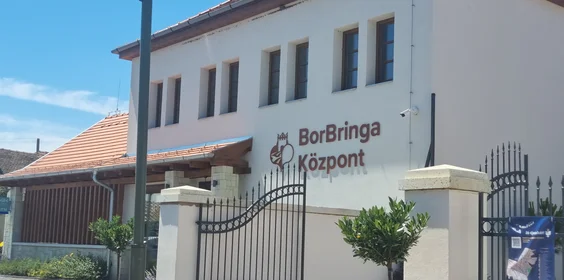
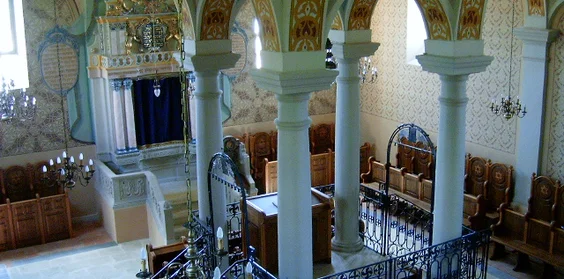
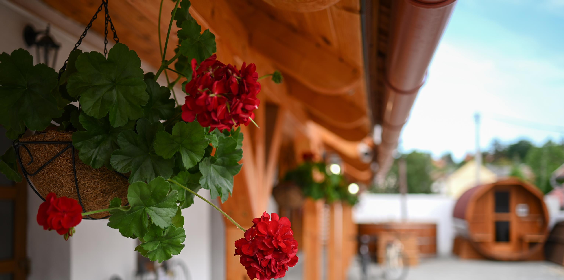
Noclegi
Co znajdziesz tutaj?
-
Atrakcje turystyczne
Trasy z tym miejscem docelowym


Zobacz trasę

Zobacz trasę

Transport publiczny
- Autobus
Informacje o parkowaniu
- Dostępny bezpłatny parking zewnętrzny
- Dostępny bezpłatny parking dla autobusów
Raport o stanie zrównoważonego rozwoju
Temat 1: Zarządzanie destynacją 36%
- Zarządzanie odwiedzającymi: 4/5 80%
- Zaangażowanie i organizacja: 0/4 0%
- Projekt i rozwój: 0/6 0%
- Monitorowanie i raportowanie: 2/4 50%
- Zgodność z prawem i etyką: 1/2 50%
Temat 2: Przyroda i krajobraz 70%
- Ochrona przyrody i dzikiej przyrody: 3/3 100%
- Przyroda i ochrona: 2/5 40%
Temat 3: Środowisko i klimat 16%
- Użytkowanie gruntów i zanieczyszczenie: 0/3 0%
- Gospodarka wodna: 1/5 20%
- Energia, zrównoważona mobilność i zmiana klimatu: 0/7 0%
- Adaptacja do zmian klimatu: 0/2 0%
- Odpady i recykling: 3/5 60%
Temat 4: Kultura i tradycje 67%
- Dziedzictwo kulturowe: 1/3 33%
- Ludzie i tradycje: 4/4 100%
Temat 5: Dobrobyt społeczny 17%
- Zdrowie i bezpieczeństwo: 0/2 0%
- Lokalna gospodarka: 3/5 60%
- Wpływ społeczno-ekonomiczny: 0/2 0%
- Udział społeczności: 1/4 25%
- Godność człowieka: 0/7 0%
Temat 6: Biznes i komunikacja 56%
- Udział przedsiębiorstw: 1/9 11%
- Informacje i marketing: 3/3 100%