Acropolis
The Acropolis of Athens is not just a collection of ruins but a cornerstone of Western architecture and urban culture: a sacred space built on a rocky ridge that served as the religious, political, and symbolic centre of the city for centuries. The majority of the remains visible today date back to the 5th century BC, during the rebuilding period after the Persian Wars, when Athens, under Pericles, became the dominant power of the Greek world. Its outstanding universal value is recognised by UNESCO: the Acropolis is a World Heritage Site and one of the most complete surviving examples of ancient Greek monumental complexes.
- Cash
- Bank card accepted
- Paid parking available
- Paid bus parking available
From Fortified Hill to Classical Temple City
Due to the natural defensiveness of the hill, it served as a fortified point early on; later, it became a sacred centre where the worship of Athena intertwined with the city's identity. The grand constructions of the classical era were created as a deliberate "urban aesthetic programme": the temples and gateways not only stand out individually but also create a cohesive spatial experience – as the approach path, level changes, and viewpoints successively "stage" the buildings.

Highlights – What to Look for During Your Visit
The most iconic building is the Parthenon, Athena's temple, which became the archetype of the Doric order. The Propylaea (the monumental gateway) provides a dramatic entrance, while the Erechtheion, with its caryatids (the famous "maiden columns"), is one of the Acropolis's most unique and intricately detailed features. The Temple of Athena Nike, perched on the southwestern edge, is a small yet striking "viewpoint and symbolic landmark" on the cliff edge.
The slopes of the Acropolis are an integral part of the experience: the surrounding archaeological zone includes ancient theatre spaces (such as the Odeon of Herodes Atticus), which still reinforce the sense that this area unites the city, worship, and communal life into a single cohesive space.

Visiting Information – Tickets, Time Slots, Practical Tips
Visiting the Acropolis is currently organised with timed entry: access is managed through the official e-ticket system, and it is advisable to arrive in line with your chosen time slot (the system strongly recommends arriving earlier).
From a practical perspective, the Acropolis is an "outdoor" site: during summer, the heat and busier periods can significantly affect the experience, so early morning or late afternoon time slots, along with adequate drinking water and sun protection, are highly recommended.

Sustainability
The sustainable management of the Acropolis primarily focuses on heritage preservation and reducing visitor impact. A key element of this is the timed entry system and electronic ticketing, which help distribute visitor numbers more evenly, reduce congestion, and indirectly protect the monument's environment. As a visitor, the greatest contribution is responsible behaviour: adhering to time slots, following designated routes, minimising waste, and prioritising public transport when approaching the city centre – all of which reduce the site's strain while enhancing the quality of the experience.
- editorial content -

Target group
-
Class trips
-
Families with older children
-
Multigenerational programs
-
Friends
-
Seniors
-
Couples
Other services
Sights, programs
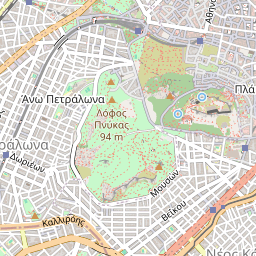
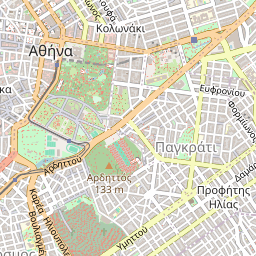
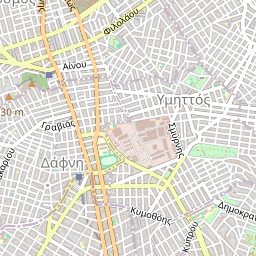
Parking information
- Paid parking available
- Paid bus parking available