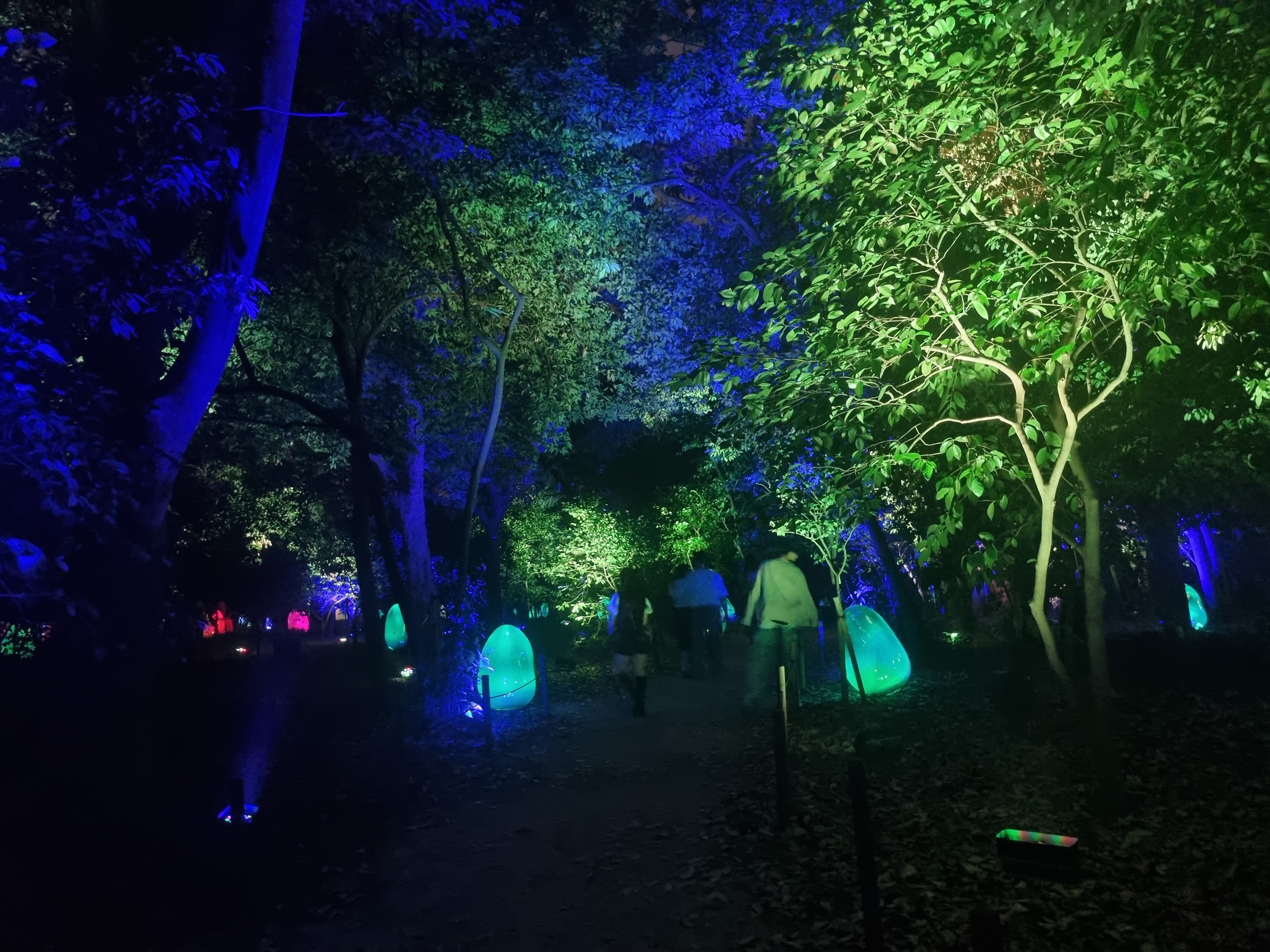
teamLab Botanical Garden Osaka – an outdoor night-time museum at Nagai Botanical Garden
teamLab Botanical Garden Osaka is not a 'botanical garden operated by teamLab', but a permanent outdoor night-time exhibition located within the Nagai Botanical Garden in Osaka, part of Nagai Park. Established in 1974, the botanical garden spans approximately 240,000 m², featuring a central pond and a diverse array of plants that change throughout the year; the site itself is a key element of the city's green infrastructure.
- Cash
- Bank card accepted
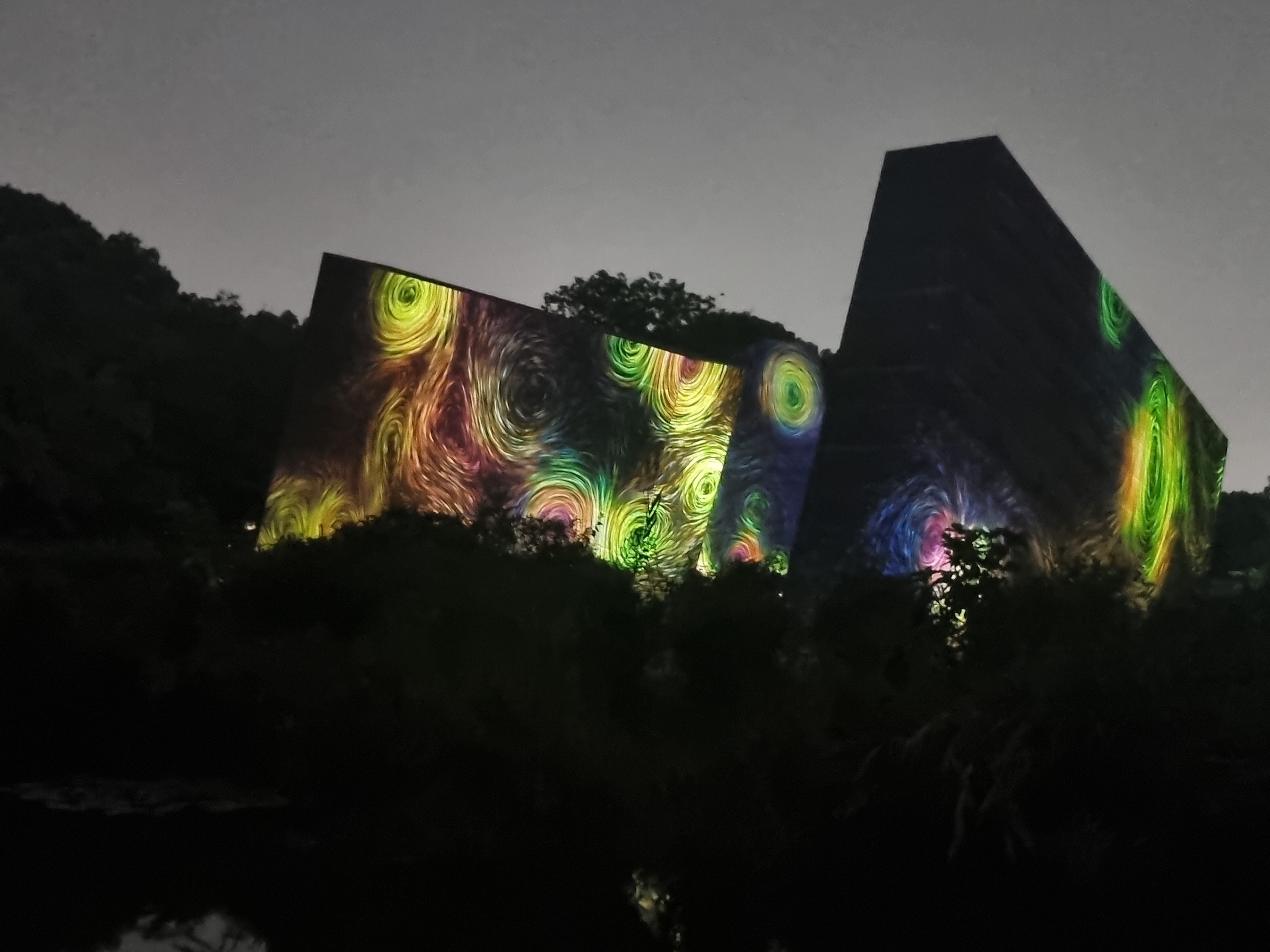
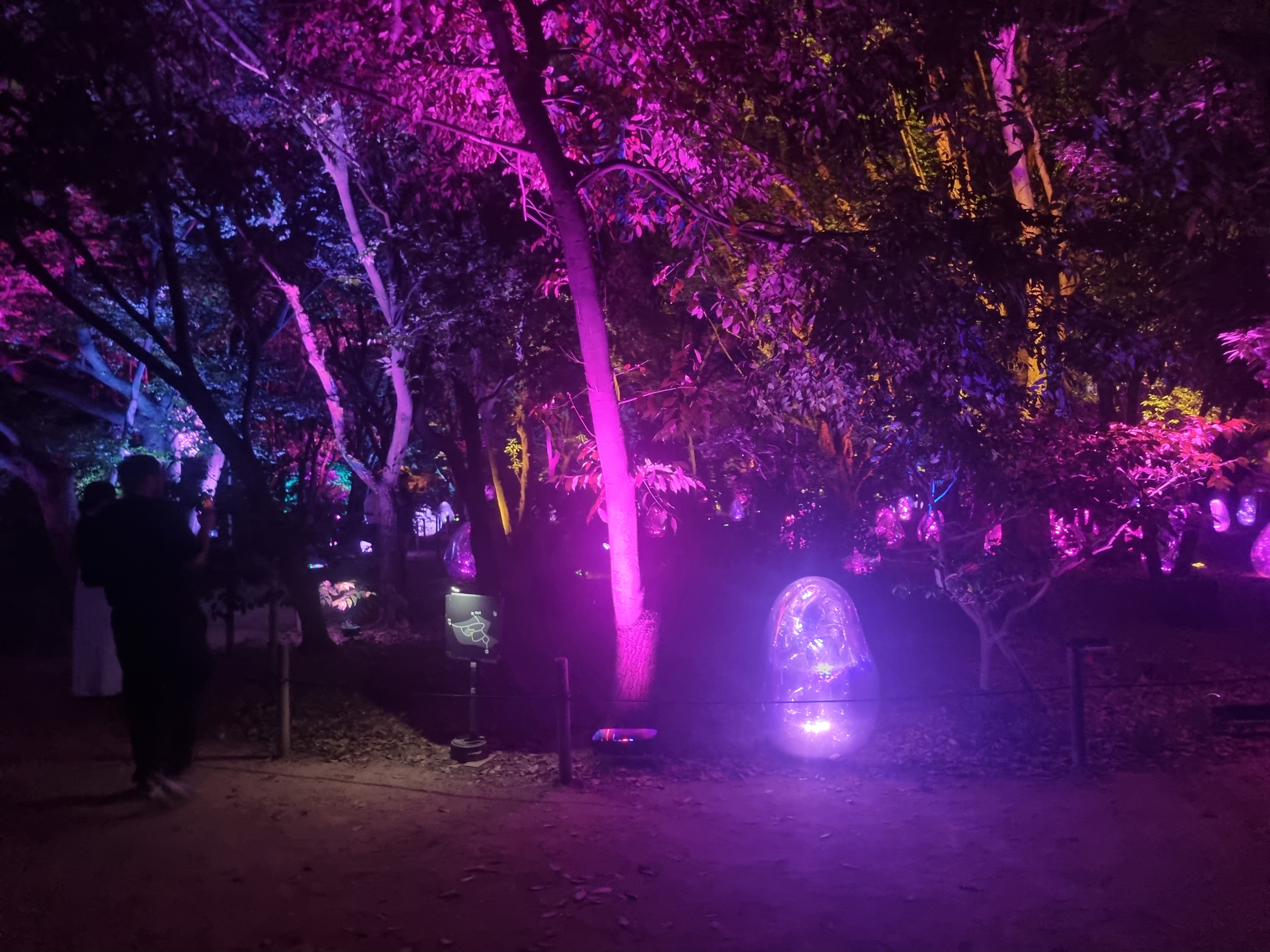
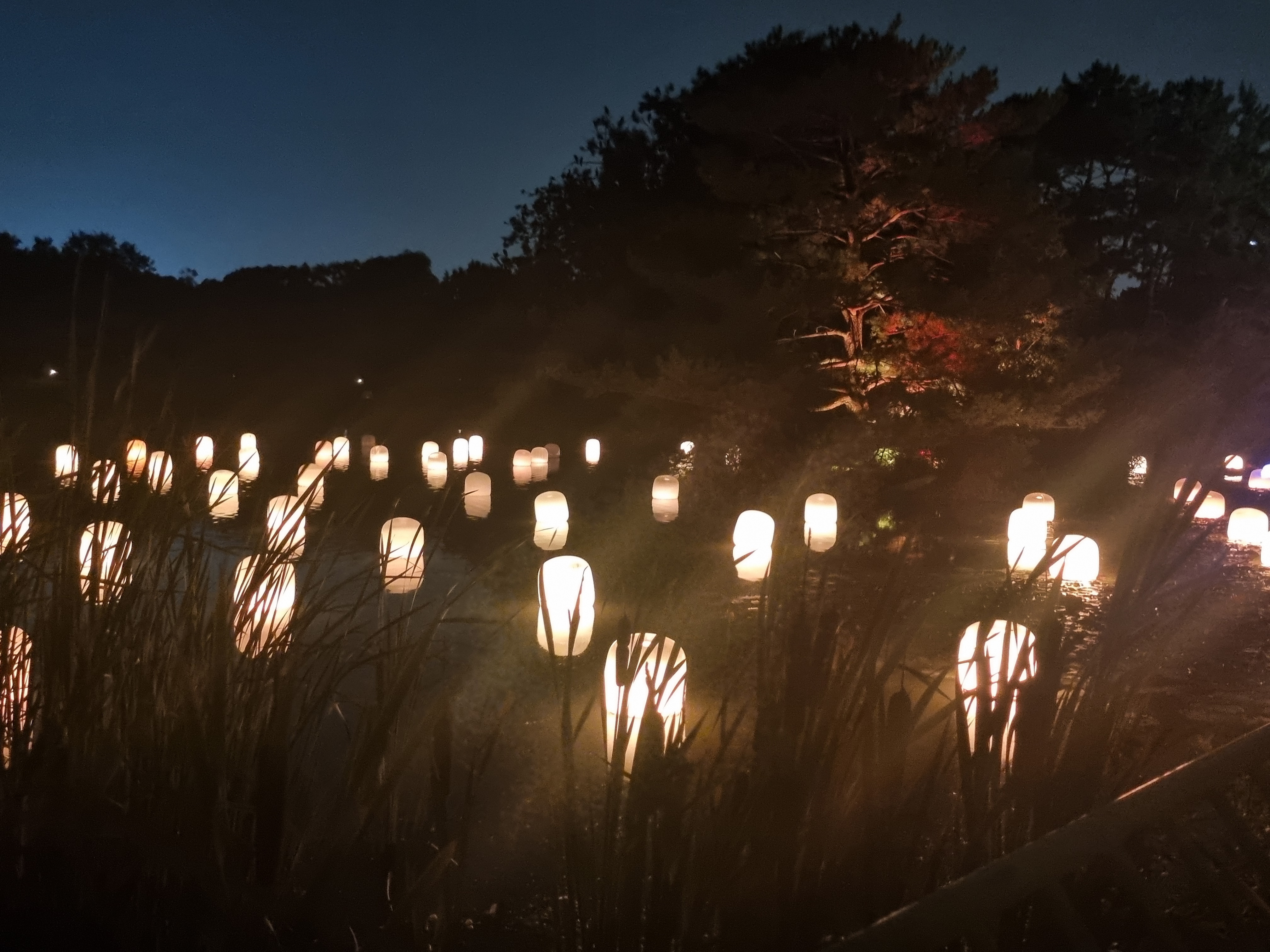
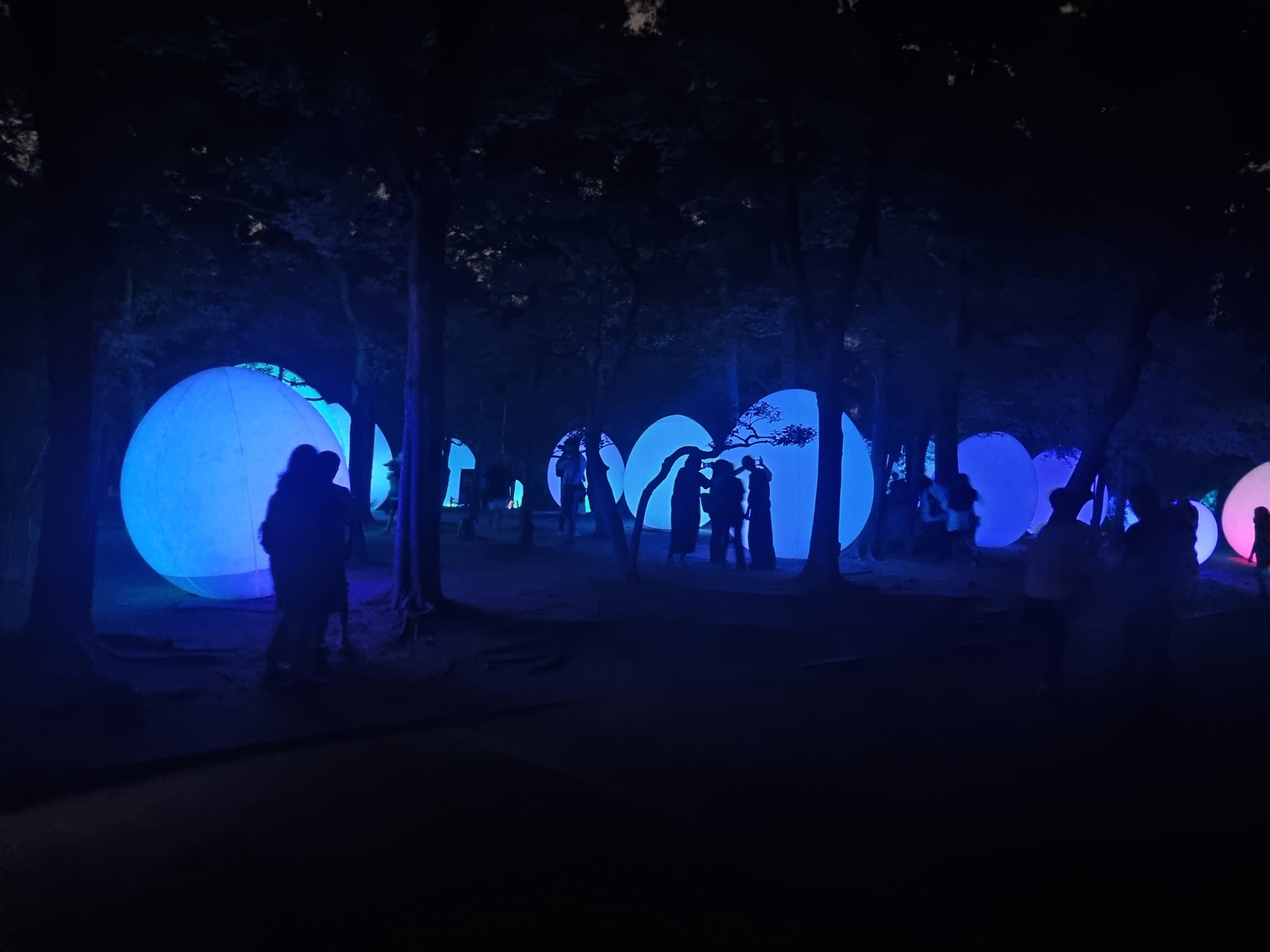
The teamLab Botanical Garden Osaka offers a unique evening experience at the Nagai Park botanical garden: during the day, the site serves as a classic urban green oasis with walkways, a pond, and seasonal plant life, but after dark, the garden transforms into a 'night-time museum'. The light installations and digital art are not housed within a building but are integrated into the living environment of the garden: the trees, water surfaces, plants, and the atmosphere of the space form the backdrop, which can vary slightly each evening depending on the weather and the seasons.
Visiting is more about a slow, leisurely exploration rather than a 'viewing' exhibition. As you walk, the lights, shapes, and moods continuously change, so it's worth taking your time and wearing comfortable shoes. Since it is an outdoor event, the experience is influenced by the weather: it can still operate in rain, but in stormy or extreme conditions, there may be delayed openings or temporary restrictions, so it's a good idea to check the latest updates before heading out. The location is in an urban area, making it easily accessible by public transport, which is particularly convenient for an evening outing.
The teamLab experience is separate from the daytime visit to the botanical garden: it typically begins after the garden closes and requires a separate ticket. To ensure your spot, it's advisable to purchase tickets in advance, as popular times can sell out quickly and on-site ticket availability is often limited. Some parts of the programme may have restricted access due to terrain or safety reasons, so visitors using wheelchairs or pushchairs should plan based on official information.
Sustainability – why is it relevant here, and what should you keep in mind?
Sustainability is worth discussing in relation to the teamLab Botanical Garden Osaka when we look beyond the visuals and understand that this experience takes place in a functioning botanical garden. The biggest positive is that the programme doesn't require new, large-scale construction but instead utilises an existing urban green space while drawing significant attention to it: for many, this might be their first time experiencing an 'evening nature' setting in a city garden, seeing the plants, water, and space in a new light through the installations.
However, with an evening experience centred around lights, the responsibility is greater: nature must not only be admired but also protected. This is why visitor rules are emphasised: staying on designated paths, respecting plants and restricted areas, avoiding feeding animals, and maintaining cleanliness are all fundamental behaviours that help ensure the garden remains sustainable for both visitors and wildlife in the long term. In a botanical garden, it is especially important that visits do not result in trampling damage, destruction of vegetation, or unnecessary disturbance.
Another aspect of sustainability is energy usage. A programme involving light installations naturally consumes energy, so the key to 'greener' operations lies in how the site manages its energy consumption and minimises unnecessary impact. In urban parks like this, good practices typically include using energy-efficient solutions and striving for more environmentally friendly energy sources – as visitors, we can also contribute by opting for public transport and avoiding peak times if possible.
- editorial content -
Target group
-
Class trips
-
Families with younger children
-
Families with older children
-
Multigenerational programs
-
Friends
-
Seniors
-
Couples