Green transition in travel – how does the EU's Green Transition programme support tourists?
The European Union's Green Transition programme might initially sound like regulations, directives, and dry EU reports to many. However, the goal is far more tangible: creating a tourism environment where visitors can make decisions based on truly transparent information and feel confident that their choices contribute to a more sustainable future. From autumn 2026, this will no longer be just a recommendation but a mandatory practice across EU member states, ensuring tourists everywhere can plan their trips based on reliable and comparable data. The programme not only sets requirements for destinations and service providers but also enriches the everyday experiences of tourists.
Transparent information and real data
One of the biggest advantages of the green transition is the end of vague promises and the much-discussed 'greenwashing'. In the future, all accommodations, attractions, and hospitality providers will be required to publish reliable, measurable data on how they manage energy, water, or waste, as well as their carbon footprint. For tourists, this means no more guessing how eco-friendly a service provider really is: decisions can be based on real, comparable figures. If a green label appears somewhere, it represents documented and verified performance, not just marketing.

Digital tools for conscious choices
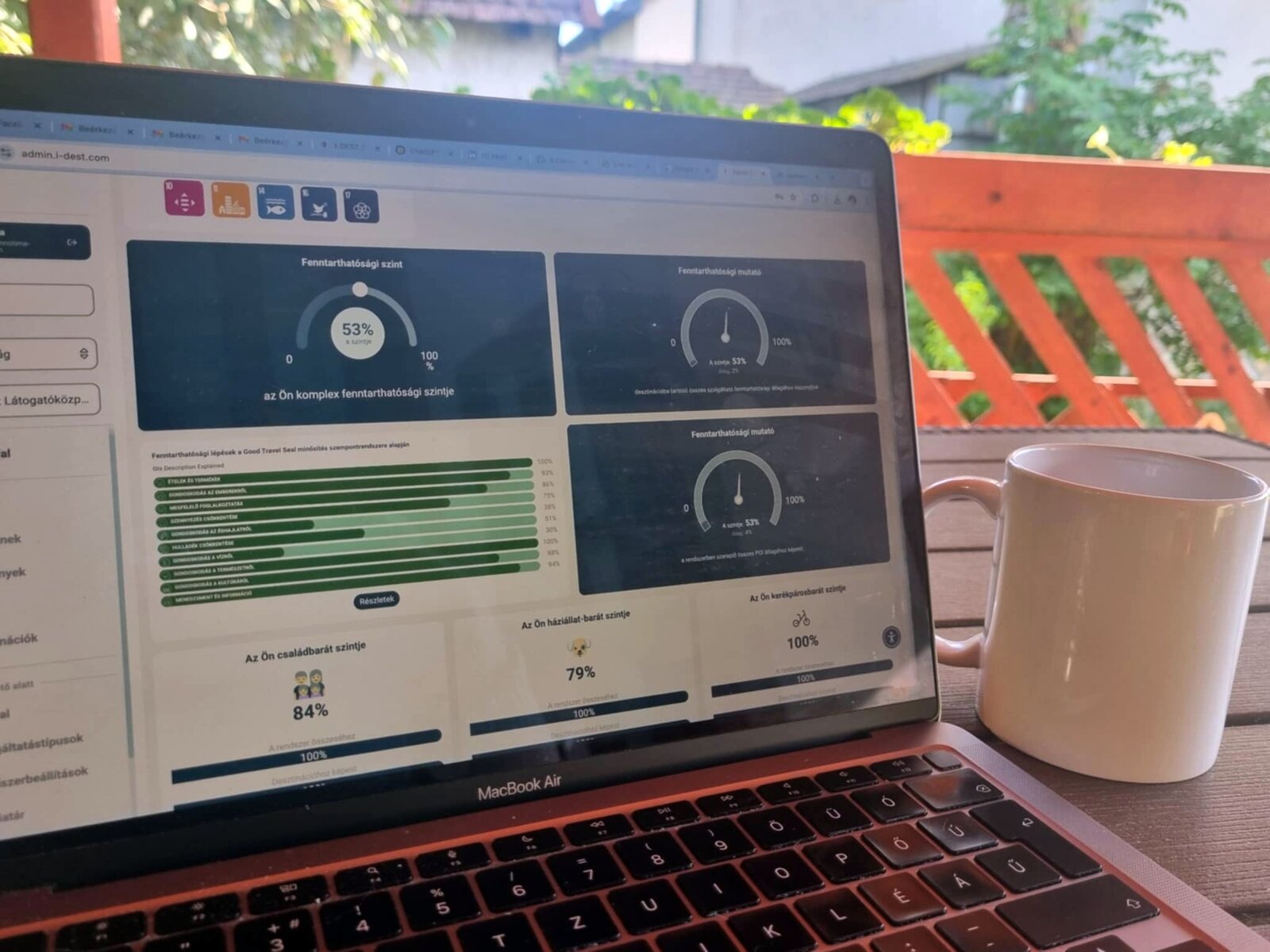
The Green Transition is also making more digital tools available to travellers. Sustainability indicators are no longer confined to the background or expert spreadsheets but are presented on user-friendly platforms such as tourism dashboards or trip planning apps. This allows guests not only to see the scores of a hotel or attraction but also to filter options based on their own values. For instance, it is becoming increasingly possible to plan a trip that contributes to climate protection, gender equality, or supporting the local economy. Tourism can thus become a kind of personal mission, where values play as much of a role as experiences.

Trust in community responsibility
Transparency, however, doesn’t stop at environmental indicators. Among the EU's goals is ensuring that tourists can be confident their choices not only protect nature but also strengthen local communities. The green transition also involves supporting human rights, fair work, and community participation. It will become increasingly visible how a destination provides job opportunities for locals, protects cultural heritage, or involves residents in tourism planning. This awareness takes visitor trust to a new level.

Thanks to mandatory regulations coming into effect from 2026, travel will become a much more conscious experience for tourists. No longer will they need to guess how sustainable an accommodation or attraction is, as all providers will publicly share key environmental and social indicators. Guests will be able to use digital tools to filter offers based on their own values and can be confident that their choices not only protect nature but also support local communities. The Green Transition thus ushers in a new era for European tourism: alongside the holiday experience, it creates genuine value for both visitors and destinations.
More News
All-
5 Mins

Read -
4 Mins

Read -
4 Mins

Read -
4 Mins

Read -
3 Mins

Read -
3 Mins
Read -
5 Mins

Read -
6 Mins

Read -
3 Mins

Read -
3 Mins

Read -
4 Mins

Read -
3 Mins

Read -
7 Mins

Read -
19 Mins
Read -
7 Mins

Read -
8 Mins

Read -
5 Mins

Read -
4 Mins

Read -
7 Mins

Read -
5 Mins

Read -
3 Mins

Read -
4 Mins

Read -
3 Mins

Read -
3 Mins

Read -
3 Mins
Read -
12 Mins

Read -
4 Mins
Read -
4 Mins

Read -
4 Mins

Read -
4 Mins

Read -
5 Mins
Read -
4 Mins

Read -
3 Mins

Read -
8 Mins

Read -
4 Mins
Read -
6 Mins

Read -
4 Mins

Read -
5 Mins

Read -
6 Mins

Read -
5 Mins

Read -
3 Mins

Read -
7 Mins

Read -
7 Mins

Read -
5 Mins

Read -
6 Mins

Read -
6 Mins

Read -
3 Mins

Read -
10 Mins

Read -
6 Mins

Read -
5 Mins

Read -
4 Mins

Read -
5 Mins

Read -
4 Mins

Read -
6 Mins

Read -
7 Mins

Read -
5 Mins

Read -
3 Mins

Read -
4 Mins

Read -
4 Mins

Read -
4 Mins

Read -
6 Mins

Read -
3 Mins

Read -
1 Mins

Read -
2 Mins

Read -
2 Mins

Read -
3 Mins

Read -
3 Mins

Read