How to reduce your ecological footprint while on holiday?
Exploring the world is a wonderful experience – but it's important not to leave too big a footprint behind. Our ecological footprint matters not just in our daily lives but also when we travel. The good news: you don't have to give up on adventures, you just need to plan more consciously! Here's how you can make your travels more sustainable – step by step.
Choose greener transport!
One of the biggest environmental impacts of travel comes from transportation. Flying, for example, emits a significant amount of carbon dioxide. If possible, choose trains or long-distance buses for shorter journeys, as they offer much more sustainable alternatives.
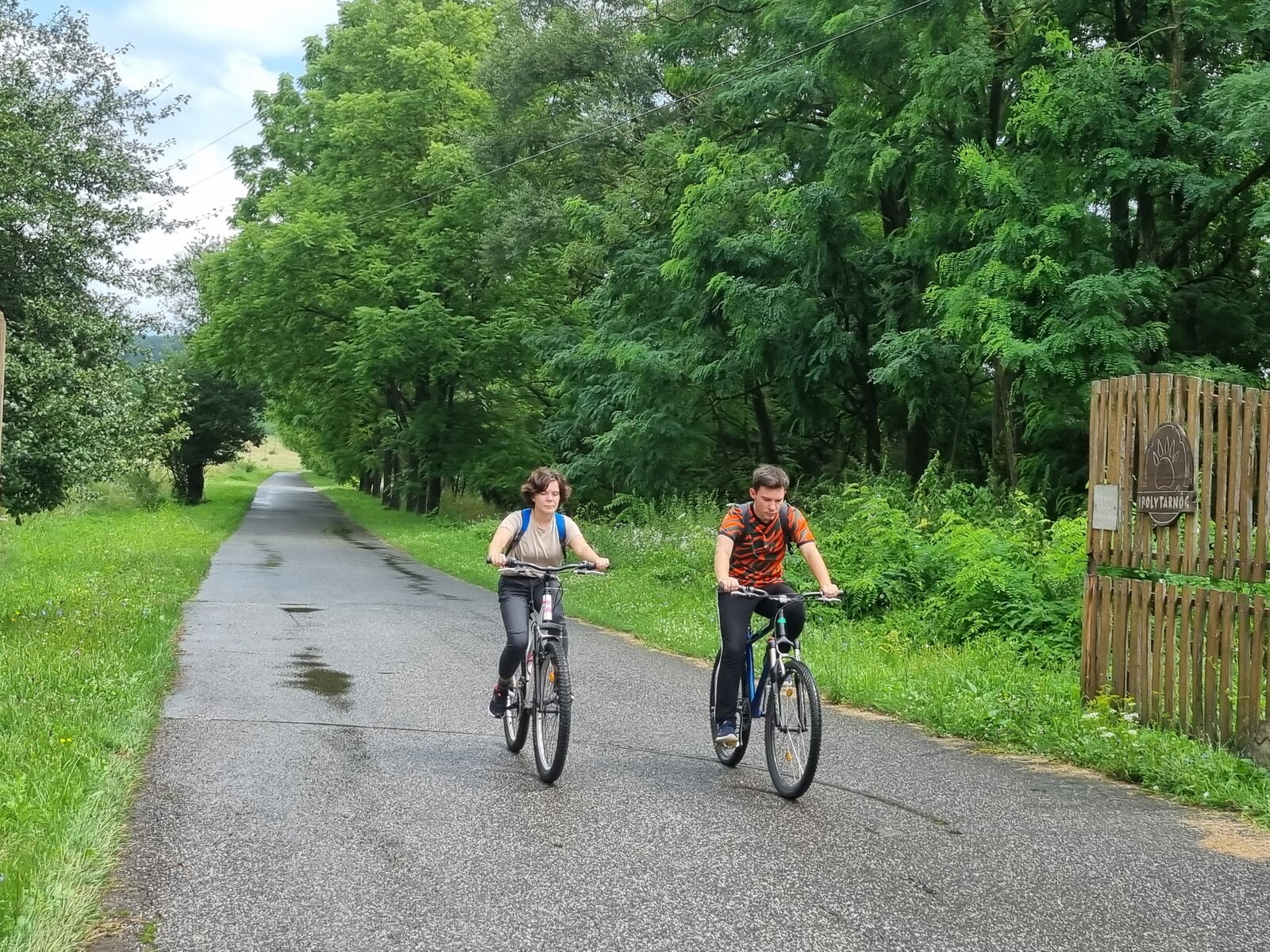
If you're travelling by car, consider carpooling or sharing the ride with others. For urban transport, walking, cycling, or using public transport are the best choices – not just for the environment, but for the experience as well.

Book sustainable accommodation
Choosing accommodation is also an important step. Look for places that consciously care for the environment. Truly sustainable accommodations often have certifications (e.g., Good Travel Seal, Green Key) and transparently communicate the measures they take for sustainability.
Check if they have recycling facilities, energy-efficient appliances, water-saving practices, or breakfasts made from local ingredients. These are small but telling signs. For tips on how to choose sustainable accommodation, read our previous travel guide.

Eat local, eat seasonal!
Choosing local food is not only more exciting from a culinary perspective but also much more environmentally friendly. Locally produced goods don't travel far, resulting in lower transport emissions, and you also support the local economy.
At farmers' markets, small eateries, or family-run restaurants, you can discover flavours that truly belong to the region – making your travel experience even richer.

Respect nature and culture
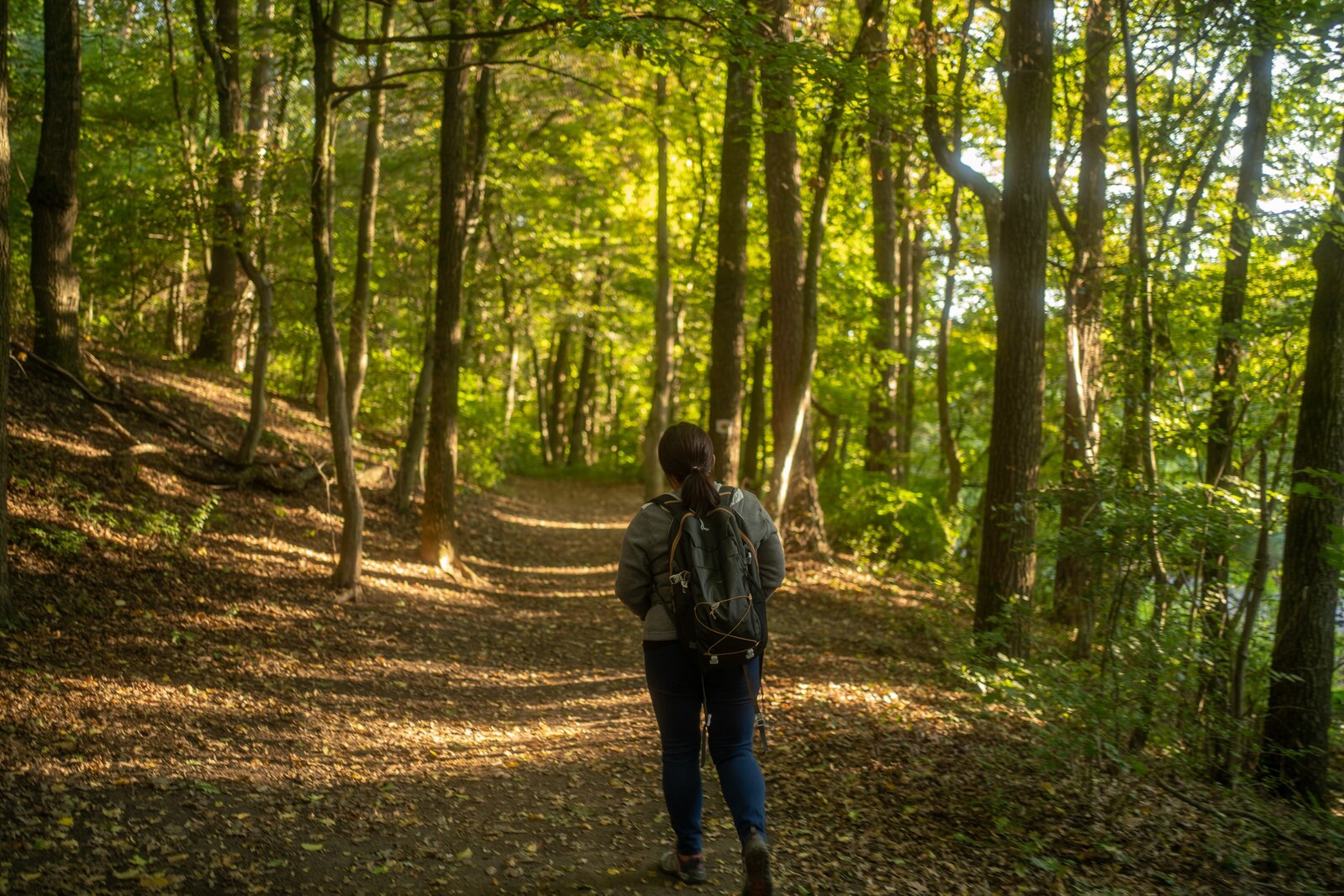
As tourists, we are guests – whether in natural or cultural environments. It's important to stick to designated trails, avoid littering, and not disturb wildlife. Protected areas are particularly sensitive to human presence.
Respect for local culture is also part of responsible tourism: dress appropriately for the location, respect religious or community customs, and avoid buying products that are illegally or unethically made.

Reduce waste
Many people forget that a lot of waste is generated while travelling – plastic bottles, plastic bags, disposable cutlery. Instead, bring a refillable water bottle, your own reusable shopping bag, and reusable containers.
At your accommodation, take advantage of opportunities: request that towels or bed linen not be changed daily, and opt for large, refillable toiletries instead of small plastic bottles.

Offset what you can't avoid
Travelling completely waste-free or emission-free is almost impossible – but what you can't avoid, you can now offset. Reliable carbon offset programmes support reforestation, renewable energy, or conservation projects.
You can also support local community or ecological projects that improve the quality of life in the region in the long term – making your trip not only less impactful but potentially even beneficial.

Leave value – not a footprint
Sustainable travel is not about sacrificing experiences, but about being mindful. You don't need to seek fewer adventures – just choose more carefully how and where you experience them. Environmental protection and responsible decisions go hand in hand with richer, deeper travel experiences.
Be part of the change – because the world we explore will only remain beautiful if we take care of it.

More News
All-
4 Mins

Read -
4 Mins

Read -
4 Mins

Read -
3 Mins

Read -
3 Mins
Read -
5 Mins

Read -
6 Mins

Read -
3 Mins

Read -
3 Mins

Read -
4 Mins

Read -
3 Mins

Read -
7 Mins

Read -
19 Mins
Read -
7 Mins

Read -
8 Mins

Read -
5 Mins

Read -
4 Mins

Read -
7 Mins

Read -
5 Mins

Read -
3 Mins

Read -
4 Mins

Read -
3 Mins

Read -
3 Mins

Read -
3 Mins

Read -
12 Mins

Read -
4 Mins
Read -
4 Mins

Read -
4 Mins

Read -
4 Mins

Read -
5 Mins
Read -
4 Mins

Read -
3 Mins

Read -
8 Mins

Read -
4 Mins
Read -
6 Mins
Read -
4 Mins

Read -
5 Mins

Read -
6 Mins

Read -
5 Mins

Read -
3 Mins

Read -
7 Mins

Read -
7 Mins

Read -
5 Mins

Read -
6 Mins

Read -
6 Mins

Read -
3 Mins

Read -
3 Mins

Read -
10 Mins

Read -
6 Mins

Read -
5 Mins

Read -
4 Mins

Read -
5 Mins

Read -
4 Mins

Read -
6 Mins

Read -
7 Mins

Read -
5 Mins

Read -
3 Mins

Read -
4 Mins

Read -
4 Mins

Read -
4 Mins

Read -
6 Mins

Read -
1 Mins

Read -
2 Mins

Read -
2 Mins

Read -
3 Mins

Read -
3 Mins

Read