-

Foto: Innotime -

Foto: Innotime -

-

Foto: Innotime -


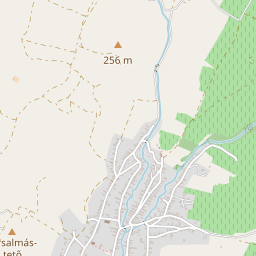
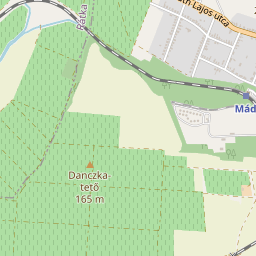
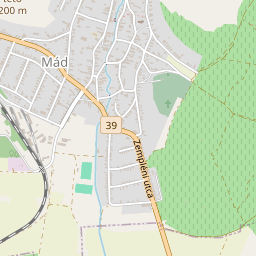
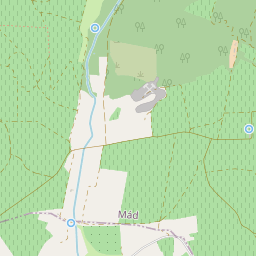
Mád
In the first half of the 16th century, Paracelsus recalled his visit to Tokaj-Hegyalja as follows: "I saw with my own eyes when I traveled through Upper Hungary and visited Tokaj, along with its surroundings—Mád, Tarcal, and Tállya. One of the hosts showed me a split grapevine, in which fine golden threads ran along its length, similar to those used for weaving.” Although golden grapevines are not found in Mád, the grapes grown here and the wines made from them are considered extraordinary, even within Tokaj-Hegyalja. This is due to the mineral-rich soil of the vineyards, which has made Mád’s wines renowned for their healing properties for centuries. Additionally, zeolite mined near the town, often referred to as "healing stones," is used for medical purposes.
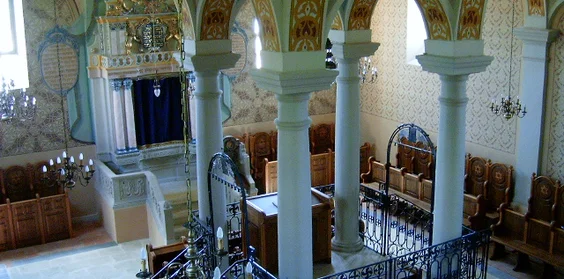
Mád is rightfully famous for its flavorful wines, fertile vineyards, and the many renowned winemakers who cultivate them. The first written record of the settlement dates back to 1255, while the earliest mention of viticulture is from 1332. Throughout the Middle Ages, several landowning dynasties resided here, intertwining the town’s history with that of its lords. Mád gained market town status in 1620, and throughout history, it has always been a prominent location for producing excellent Hungarian wines. Its residents were known for their prosperity and visible wealth, building their houses from stone and storing their wines in carefully crafted cellars and barrels.
Anreise
- Zu Fuß
- Mit einem Pferd
- Mit dem Fahrrad
- Mit dem Elektrofahrrad
- Mit dem Bus (für die Reise gemietet)
- Mit dem Motorrad
- Mit dem Auto
Ankunft
- Zu Fuß
- Mit einem Pferd
- Mit dem Fahrrad
- Mit dem Elektrofahrrad
- Mit dem öffentlichen Bus
- Mit dem Bus (für die Reise gemietet)
- Mit dem Motorrad
- Mit dem Auto
Attraktionen, Programme
Alle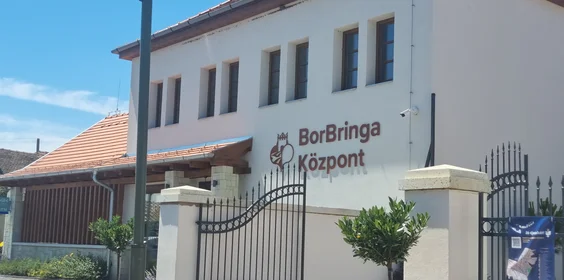
Unterkünfte

Was finden Sie hier?
-
Sehenswürdigkeiten
Routen mit diesem Reiseziel


Route ansehen

Route ansehen

Öffentliche Verkehrsmittel
- Bus
Parkinformationen
- Kostenlose Parkplätze im Freien verfügbar
- Kostenlose Busparkplätze vorhanden
Nachhaltigkeitsstatusbericht
Thema 1: Reisezielmanagement 36 %
- Besuchermanagement: 4/5 80 %
- Engagement und Organisation: 0/4 0 %
- Design und Entwicklung: 0/6 0 %
- Überwachung und Berichterstattung: 2/4 50 %
- Rechtliche und ethische Konformität: 1/2 50 %
Thema 2: Natur und Landschaft 70 %
- Schutz von Natur und Tierwelt: 3/3 100 %
- Natur und Naturschutz: 2/5 40 %
Thema 3: Umwelt und Klima 16 %
- Landnutzung und Verschmutzung: 0/3 0 %
- Wassermanagement: 1/5 20 %
- Energie, nachhaltige Mobilität und Klimawandel: 0/7 0 %
- Anpassung an den Klimawandel: 0/2 0 %
- Abfall und Recycling: 3/5 60 %
Thema 4: Kultur und Traditionen 67 %
- Kulturelles Erbe: 1/3 33 %
- Menschen und Traditionen: 4/4 100 %
Thema 5: Soziales Wohlergehen 17 %
- Gesundheit und Sicherheit: 0/2 0 %
- Lokale Wirtschaft: 3/5 60 %
- Sozioökonomische Auswirkungen: 0/2 0 %
- Beteiligung der Bevölkerung: 1/4 25 %
- Menschenwürde: 0/7 0 %
Thema 6: Unternehmen und Kommunikation 56 %
- Unternehmensbeteiligung: 1/9 11 %
- Information und Marketing: 3/3 100 %