Herculaneum
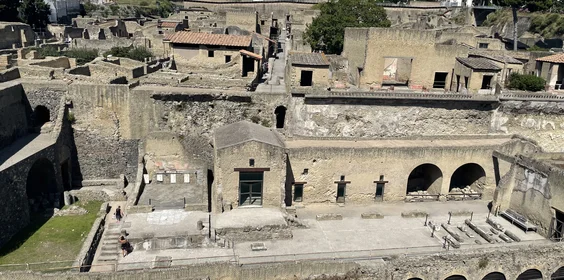
Herculaneum (olaszul: Ercolano) a Nápolyi-öböl térségének egyik legerősebb „időutazós” úti célja: a Vezúv árnyékában fekvő, ókori város maradványai és a köré épült mai település együtt adnak egy izgalmas, könnyen bejárható, mégis mély élményt. A hely különlegessége, hogy nem egy távoli rommező, hanem egy élő, dél-olasz városi környezet része – így egy herkulaneumi kiruccanás egyszerre szól történelemről, mediterrán hangulatról és a Campania-régió mindennapi ritmusáról.
A térség identitását természetesen az ókori Herkulaneum története határozza meg: a települést a Vezúv Kr. u. 79-es kitörése pusztította el, és a vulkáni anyagok egészen rendkívüli módon konzerválták az épített örökség egy részét. Emiatt a látogatók sokszor „emberközelibbnek” érzik, mint más hasonló helyszíneket: a házak léptéke, az utcák aránya, a terek intimitása miatt könnyű elképzelni, hogyan zajlott itt a mindennapi élet közel kétezer éve. A helyszín a Pompeii–Herculaneum–Torre Annunziata régészeti együttesként a UNESCO világörökségi listáján szerepel, ami a nemzetközi jelentőségét is jelzi.
Desztinációként Herculaneum nem csak a romokról szól. Érdemes úgy tekinteni rá, mint a „Vezúv-kapu” egyik legjobb bázisára: innen logikusan fűzhető fel Nápoly kulturális világa, a vulkáni táj és a környék történelmi települései. Aki szereti a lassabb, élményalapú utazást, annak a herkulaneumi nap jól működik úgy is, hogy a régészeti park után marad idő egy nyugodt ebédre, helyi ízekre, rövid sétára a városban, esetleg a környék kilátópontjaira – vagy éppen arra, hogy a délután már ne rohanás, hanem megérkezés legyen.
A terület kulturális értékeinek megőrzése és bemutatása mögött komoly intézményi háttér áll: a Herculaneum Régészeti Park az olasz Kulturális Minisztériumhoz tartozó, önálló szakmai és gazdasági működésű intézményként kezeli és fejleszti a helyszínt (a park részeként többek között a Villa dei Papiri és a föld alatti színház is ide tartozik). A park kommunikációjában is hangsúlyosan jelenik meg, hogy a kivételes megőrzöttség egyszerre lehetőség és felelősség: a romok állapota nem adottság, hanem folyamatos szakmai munka eredménye.
Fenntarthatóság
A fenntartható turizmus szempontjából Herculaneum jó példa arra, amikor a „fenntarthatóság” első lépése a műemlékvédelem és a hosszú távú kezelhetőség. A Herculaneum Conservation Project 2001 óta kifejezetten a helyszín megóvására és a korábbi állagmegóvási problémák kezelésére jött létre, hosszú távú, innovatív módszerekre és nemzetközi szakértelemre építő konzerválási programmal, a Packard Humanities Institute együttműködésével.
A látogatók oldaláról a legnagyobb segítség a tudatos, „kímélő” jelenlét: maradj a kijelölt útvonalakon, ne érints meg felületeket (különösen falfestményeket és mozaikokat), kerüld a zsúfolt időszakokat, és ha teheted, válassz alacsonyabb környezetterhelésű megközelítést (például közösségi közlekedést) a környéken. A helyszínen érdemes előre megváltott, digitálisan bemutatható belépővel érkezni, ezzel is egyszerűsítve a beléptetést és csökkentve a felesleges adminisztrációt. Végül: költs helyi szolgáltatóknál, válassz helyi termékeket, és hagyj magad után kevesebb hulladékot (kulacs, újratölthető palack, tudatos csomagolás) – Herkulaneum értéke ugyanis éppen abban áll, hogy törékeny, mégis átadható, ha közösen vigyázunk rá.
- szerkesztőségi tartalom -
Getting there and arrival
- Walk
- Bike
- Electric bicycle
- Railway
- Bus (rented for the trip)
- Motorcycle
- Car
Transport options in the destination
- Walk
- Bike
- Electric bicycle
- Motorcycle
- Car
- Bus (rented for the trip)
Sights, programs
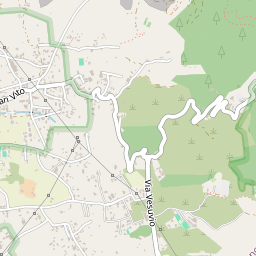
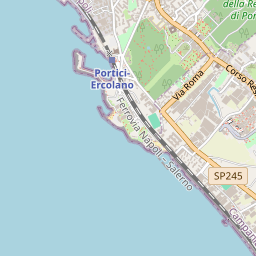
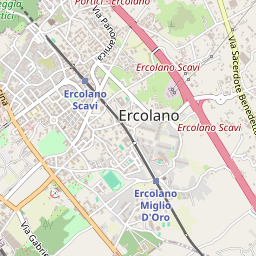
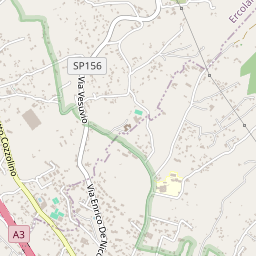

What will you find here?
-
Sights
Public transport
- railway
- bus
Parking information
- Paid parking available