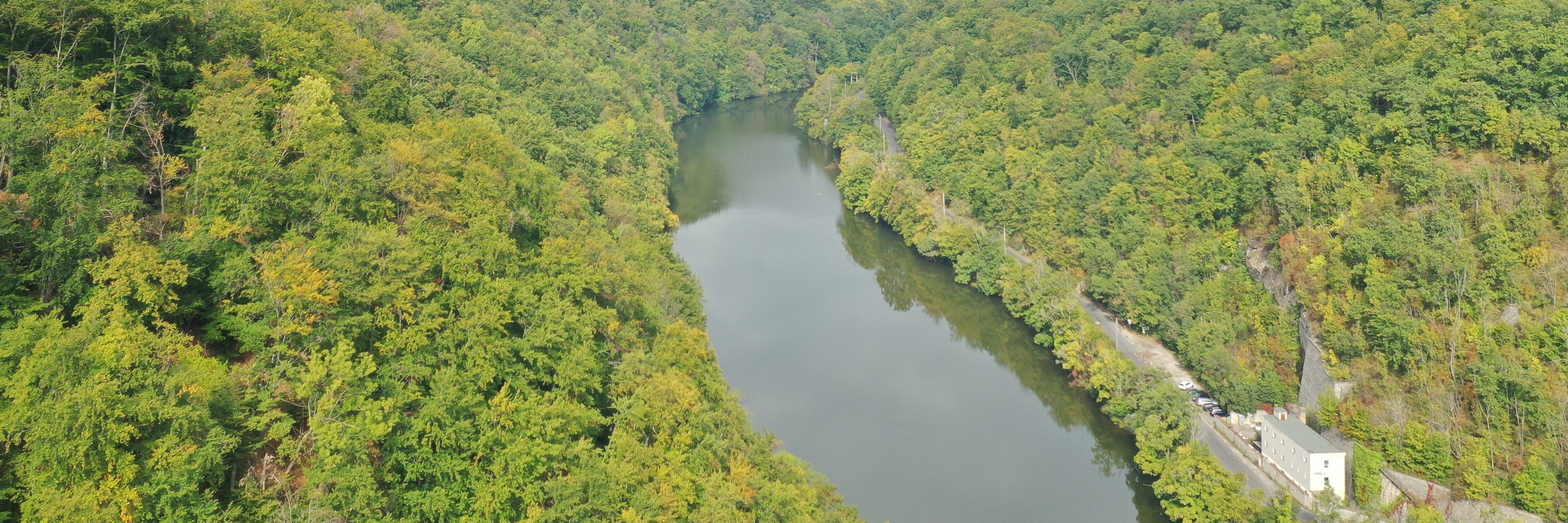
Almáskamarás története egészen az 1400-as évekig nyúlik vissza, Almáskamarás és Nagykamarás területén több Árpád-kori falu maradványait tárták fel a régészek. A községben sétálva számos impozáns műemlék épületbe botolhatunk, betérhetük a Szent Vendel templomba, hogy megemlékezzünk Almáskamarás hires szülöttjéről, Károlyi Bernát vértanúról, majd megpihenhetünk a település csendes parkjában a díszszökőkút mellett.
Antalya: a Mediterranean city with an old town, Roman-Seljuk heritage, museums, waterfalls, and long beaches; offering more sustainable relaxation year-round.
In Athens, alongside the Acropolis and ancient landmarks, a vibrant city centre atmosphere awaits, while the city increasingly supports sustainable and responsible tourism.
Balánbánya, nestled in the embrace of the Hagymás Mountains, awaits nature lovers – hiking, tranquillity, panoramic views, and the sustainable future of a reimagined mining town.
Historical heritage, iconic attractions, and green solutions on the shores of Lake Balaton: Balatonfüred is the perfect destination for sustainable and enriching relaxation.
The settlement is a cul-de-sac village located along the Slovak border, boasting unique natural features. It is an ideal location for cycling and hiking tours.
In the second half of the 20th century, Bátonyterenye grew into an industrial centre. Today, however, it is rediscovering and revitalising its natural treasures. As part of the Novohrad–Nógrád UNESCO Global Geopark, the town is reclaiming its geological sites, caves, and legendary rock formations. The nearby Maconka Reservoir is not only a popular fishing destination but also a key ecological zone.
True to its name (‘békés’ means calm in Hungarian), Békés offers a variety of leisure activities for visitors.
Located about 60 kilometres from Békéscsaba, this village has played an important role throughout history.
The village located in the Novohrad-Nógrád Geopark is primarily agricultural in nature, and there was formerly a stone quarry within its boundaries. The andesite columns, considered the most significant inanimate natural value of the Cserhát region, were uncovered during mining operations.
Nestled in the northeastern corner of Békés County, near the Hungarian-Romanian border, lies the gem of Biharugra, boasting unparalleled cultural and natural treasures. The village is surrounded by Hungary's second-largest artificial fishpond system, part of the Körös-Maros National Park’s Kis-Sárrét region.
The history of the town dates back to ancient times, and it was named after a church dedicated to the Holy Cross. The name Bodrogkeresztúr first appeared in a charter from 1239.
Borsec is renowned for its healing mineral waters, fresh mountain air, and natural wonders – an ideal choice for health tourism and sustainable relaxation.
Budapest: the Queen of the Danube, where World Heritage panoramas, historic baths, and sustainable urban development converge. Discover the jewel of Europe responsibly!
Discover Cayo, Belize: Maya temples, lush jungles, caves & culture. A top sustainable destination awarded by Green Destinations. Explore nature, heritage & adventure.
Csíkborzsova is a quiet Székely village near Csíkszépvíz, featuring a traditional village atmosphere, a Catholic church, and hiking opportunities at the foot of the Harghita Mountains.
Csíkdelne is a picturesque Székely village at the foot of the Harghita Mountains, featuring a medieval church, riverside homesteads, and living traditions – a serene preservation of values embraced by nature.
Csíkkozmás is a quiet, tradition-preserving Székely village in Harghita County, where the church, the carved gates, and the close-to-nature lifestyle exude tranquillity.
Sândominic, the birthplace of Áron Márton, is a Székely community nestled among mountains, where living traditions and serene natural beauty await visitors.
Sânsimion is the source region of the Pearl of Harghita, where living Székely traditions, pure mineral waters, and mountain tranquillity await visitors.
Csíkszenttamás is a place where nature, religious traditions, and the Székely rural lifestyle coexist in harmony – offering all of this authentically and warmly to visitors.
Miercurea Ciuc, a Székely town at the foot of the Harghita Mountains, where tradition, nature, and sustainable tourism come together to offer diverse experiences all year round.
Dubai offers desert safaris, iconic landmarks, and the Museum of the Future, while building a sustainable future with solar power plants and green solutions.
Discover Eger, the city of heroes and Bull's Blood wine! A historic castle, baroque streets, and sustainable geotourism await at the foot of the Bükk Mountains.
Énlaka is one of the gems of Székelyföld: with its runic-script church, living traditions, and Europa Nostra award-winning heritage, it represents enduring value.
Ercolano (Herculaneum) near Naples: UNESCO ancient archaeological park at the foot of Mount Vesuvius, mosaics, Mediterranean seaside charm, easy access, family-friendly.
Erdőbénye, the cooper village of Tokaj-Hegyalja: a tranquil wine region experience with cellar visits and tastings, artisan traditions, and vineyard walks.
Etéd is a Székely village located in the Nyikó Valley, featuring Reformed and Catholic churches, traditional village sections, and a rich historical and cultural heritage.
Farcád is a quiet Székely village in the Nyikó Valley, where visitors are welcomed by a traditional village atmosphere, natural tranquillity, and a vibrant community.
Farkaslaka is the birthplace of Áron Tamási, the famous Székely Land writer, where living traditions, rolling hills, and warm hospitality await visitors.
Băile Felix, known for its healing waters since 1221, is a year-round thermal resort near Oradea. Offering 40–49 °C thermal waters, rehabilitation services, and the Apollo pool.
Fenyőkút is a scattered settlement of Korond, nestled among the pine forests of Harghita. A world of shepherd huts, springs, marshes, and tranquil mountain homesteads – a timeless, nature-filled experience.
Fiatfalva is the hidden gem of Székely castle tourism: featuring the renovated Ugron Castle, a peaceful village setting, and opportunities for hillside excursions.
Florence: Renaissance masterpieces, the Duomo, Ponte Vecchio and Uffizi, riverside walks along the Arno, gastronomy – UNESCO World Heritage, responsible tourism.
Firtosváralja is a Székely village nestled at the foot of Mount Firtos, where fairy tales, castle ruins, and a traditional village setting evoke the enchanting world of Székely Land.
Forio, the western town of Ischia: Citara Beach and Poseidon Thermal Park, La Mortella Gardens, Chiesa del Soccorso sunset – a Mediterranean experience.
Gyergyócsomafalva is a Székely village in the Mureș Valley, where living traditions, legendary sites, and mountainous tranquillity await visitors.
Lăzarea, with the Lázár Castle, Franciscan monastery, and artists' colony, is one of Transylvania's cultural gems at the foot of the Harghita Mountains, set in a picturesque environment.
Gyergyószentmiklós is the gateway to the Red Lake and the road leading to Bucsin, offering natural treasures, Székely culture, and sustainable experiences to visitors.
Gyimesfelsőlok is the heart of Csángó culture and the endpoint of the Maria Route, where tradition, ski slopes, summer toboggan runs, and spiritual tranquillity come together in the embrace of the Eastern Carpathians.
Gyimesközéplok is a Csángó-Hungarian village nestled in the Tatros Valley, where tradition, mountain tranquillity, and warm hospitality await travellers.
Hajós, the jewel of the Hajós–Baja wine region: Cellar Village, Baroque castle, Swabian heritage, protected meadows and loess cliffs; close to nature, sustainable.
Hargitafürdő, a high-altitude resort with medicinal mofettas, mineral springs, and ski slopes – the tranquil world of Harghita, where nature heals and rejuvenates.
Hercegkút in the Tokaj-Hegyalja region: charming cellar rows, wine tastings, vineyard walks, and panoramic vineyard hills – a tranquil village experience.
Discover Hiroshima's historical landmarks, the Peace Memorial Park, and Miyajima's stunning floating torii gate. A guide to Japan's city of peace and renewal!
Homoródfürdő is a resort known for its mineral waters, pine forests, and tranquil retreats, where nature and relaxation go hand in hand.
The settlement gained international fame due to the millions-of-years-old petrified wood and ancient animal footprints found within its boundaries.
In the town of Ischia, between Ischia Porto and Ischia Ponte, you can enjoy the panoramic view of Castello Aragonese, urban beaches, and sustainable, pedestrian-friendly exploration.
An idyllic forest holiday village at the foot of the Harghita, offering hiking trails, cabins, and fresh mountain air for nature lovers all year round.
Kápolnásfalu is a tradition-preserving Székely village at the foot of the Harghita Mountains, offering rich folk culture, a church, and natural hiking trails to its visitors.
The fortified church of Csíkkarcfalva, its mountain hiking trails, and living traditions offer nature lovers the experience of a quiet, authentic Székely village.
Kazár's most unique natural formation is rhyolitic tuff, which formed about 20 million years ago during the middle Miocene epoch, thus contemporaneous with the Mátra and Karancs mountains. Likely, this material was scattered during volcanic eruptions from Mátra, ranging in size from dust to several decimeters.
Keszthely is the western gateway to Lake Balaton, rich in cultural heritage, natural treasures, and increasingly green developments in the spirit of sustainable tourism.
Kyoto top sights: Fushimi Inari, Kinkaku-ji (Golden Pavilion), Kiyomizu-dera, Gion, Arashiyama Bamboo Grove, Nishiki Market, Nijō Castle, Uji matcha. UNESCO top!
The settlement is mainly famous for the stone hole within its boundaries. The cave was formed in Lower Miocene (Egri-Eggenburg) sandstone (Pétervására Sandstone Formation) along tectonic fissures, stratification, and bedding planes due to freeze-thaw fragmentation, collapse, weathering, and possibly deflation, as well as human intervention. In its current state, it appears more like an artificial cavity than a natural formation.
Kobe offers year-round experiences: a port city nestled between mountains and sea, UNESCO City of Design. Port Museum, Rokko, Kitano, Kobe beef; green goals.
Explore Komárno: Grand fortifications, the unique Europe Place, and Danube eco-adventures. Discover a hub of sustainable slow travel and cultural heritage.
Kondoros, located in Békés county near the M44 motorway, has been a city since 2013. It is continuously developing with significant investments and events like the Betyár Days.
Kőrispatak, the home of straw hat-making near Székelykeresztúr, welcomes travellers with living traditions, rural tranquillity, and handcrafted hospitality.
Corund is the stronghold of Székely craftsmanship, renowned for its potters and mineral springs. Its natural beauty and living traditions attract many visitors each year.
Kozárd is one of the gems of the Novohrad-Nógrád Geopark in Eastern Nógrád.
Lázárfalva is a quiet Székely village at the foot of the Harghita Mountains, near Nyergestető, where living traditions meet the memory of freedom fighters.
Lendava is the easternmost town in Slovenia, positioning itself as an environmentally and socially friendly sustainable destination based on its rich cultural and natural heritage.
Discover Levoča: UNESCO World Heritage old town, Gothic masterpieces, the pilgrimage site of Mariánska hora, and nature-filled experiences in the heart of Slovakia.
Madéfalva is an emblematic site in Székely history: the Siculicidium memorial and its living traditions make it a symbol of freedom and collective memory.
Borsec is a spa town at the foot of the Călimani Mountains, offering thermal waters, hiking trails, and a family-friendly ski slope – an ideal destination for nature lovers.
From the 13th century, it has been a famous Catholic pilgrimage site, which also offers numerous geotouristic programs.
Mezőkovácsháza, located in the heart of southern Békés County, boasts a rich historical and cultural heritage.
Mezőkövesd: sustainable tourism in the heart of Matyóföld. Heritage preservation in the Hadas district, eco-experiences, and the Zsóry Thermal Baths. Discover the Matyó heritage with us!
Milan is where culture, design, gastronomy, and sustainable urban mobility converge: a blend of historic icons and ever-evolving urban experiences.
Montpellier is a dream for mindful travellers: medieval quarters, free eco-friendly transport, and Europe’s largest pedestrian zone await where history meets sustainability.
Nagykamarás is a small, peaceful village where tradition and natural beauty meet. One of the village’s most important natural treasures is Lake Boda, a popular spot for local anglers, while the diverse bird and plant life of the surrounding area is also an attraction for visitors.
Naples: tangled historic streets, castles, museums and bay views beneath Vesuvius. Explore on foot/metro, support locals, travel slow for a lighter footprint!
Nara: a thousand-year-old primeval forest, free-roaming sacred deer, and the Great Buddha. Discover the birthplace of sustainable slow tourism and Japanese sake!
Oroszhegy is a Székely village nestled on the slopes of Harghita, renowned for its plum brandy, hiking trails, and vibrant community life interwoven with living traditions.
Osaka is a vibrant, friendly city: Osaka Castle, Kuromon Market, the lights of Dōtonbori, and Umeda's views; a true street food experience all year round.
Parádsasvár is a historic village in the heart of the Mátra, offering glassmaking heritage, a castle, hiking trails, and sustainable tourism experiences.
Parajd – the heart of Sóvidék, where nature, tradition, and renewal shape the future together.
Portogruaro is a tranquil small town with a 'little Venetian' atmosphere, featuring riverside walks along the Lemene, an arcaded old town, a leaning bell tower, and watermills. It's easy to explore on foot and perfect for mindful, slow travel.
Riomaggiore: the gateway to Cinque Terre in Italy. Historic streets, panoramic boat trips, excellent food and wine tourism, and sustainable rail transport at the heart of a UNESCO World Heritage Site.
Discover Rome on I-DEST.com! History, sustainable tips, parking, and public transport all in one place. Travel consciously in the Eternal City!
Tokyo guide: from the legacy of the shoguns to vibrant pop culture. Discover the hidden green oases and unique gastronomy of this sustainable megacity!
Salgótarján is the seat of Nógrád County and a member settlement of the Novohrad-Nógrád Geopark.
Sámsonháza, a hidden gem of the Eastern Cserhát region, lies in the valley of the Kis-Zagyva stream and stands out as a prime tourist destination thanks to its rich geological heritage and natural beauty. The village is part of the Novohrad–Nógrád UNESCO Global Geopark.
The town of Sarkad is rich in history and boasts a unique cultural heritage. In medieval times, the town was surrounded by marshes and waters, which provided natural protection for the local earthwork and later the castle, once connected to Gyula Castle.
Discover Sárospatak: Rákóczi Castle, the Reformed College and Great Library, riverside walks along the Bodrog, and memorial sites of Saint Elizabeth of the Árpád Dynasty.
Seville's historic landmarks, vibrant culture, and eco-friendly transport set an example of how tourism can be developed in an engaging and sustainable way.
Šiatorská Bukovinka lies at the meeting point of the Bükk Foothills and the Cserhát Mountains, along the eastern edge of the Medves Plateau. The village is surrounded by stunning volcanic hills that offer exceptional natural and geological value.
Siklód is a secluded, picturesque Székely village in Harghita County, featuring traditional peasant houses, a Reformed church, and breathtaking views.
A tourist guide to Siófok: history, attractions, and beaches. Sustainable travel, parking, and schedules for a responsible holiday in the capital of Lake Balaton.
Sirok: medieval castle, beehive rocks and rhyolite tuff geological wonders, marked hiking trails along the edge of the Bükk–Mátra. A sustainable, nature-centred experience.
oday, Somoskő is part of the Nógrád Geopark, offering numerous geological and touristic attractions, including the basalt columns, castle ruins, and protected natural areas. The village is now primarily known as a tourist destination and plays an important role in cross-border cultural and natural heritage preservation.
Sóvárad is an independent Reformed Székely village in Mureș County, featuring a medieval-origin church, salt springs, and vibrant folk traditions in the heart of the Sóvidék region.
Sümeg: A medieval castle, knightly tournaments, and Baroque treasures at the foot of the Bakony Hills. Discover the bishop's palace and sustainable heritage preservation!
Szanda and Szandaváralja are two neighbouring villages nestled in the rolling hills of the Cserhát region in Nógrád County. Thanks to their unique location, Palóc traditions, medieval heritage, and rich natural environment, they hold significant appeal for tourists.
The city, with its natural beauty, historical attractions, and cultural traditions, plays a vital role in the life of the region.
Székelyhodos is a quiet, small Székely village on the edge of the Harghita, where traditional lifestyle, tranquillity, and nature-filled experiences await visitors.
Székelypálfalva is a quiet, tradition-preserving village near Odorheiu Secuiesc, featuring carved gates, a Baroque church, and a vibrant Székely community.
Odorheiu Secuiesc is one of the cultural hubs of Székely Land, where tradition, natural beauty, and sustainable tourism come together in a captivating harmony.
Székelyvarság is a scattered mountain village where forests, waterfalls, and craft traditions come together to offer peaceful, sustainable experiences.
Szentábrahám is a Unitarian Székely village in the valley of the Gagy Stream, where legends, a hilly landscape, and rural tranquillity await lovers of nature and history.
Szentegyháza is the highest-altitude Hungarian town in the world, offering vibrant Székely culture, a children's philharmonic orchestra, thermal baths, and tranquillity at the foot of the Harghita Mountains.
Frumoasa, the northern gateway to Székely Land: a reservoir, border guard memorial, hiking trails, and living traditions await in a peaceful, authentic rural setting.
Discover Szerencs: castle, cultural experiences, chocolate and confectionery traditions, family-friendly activities, trips to the Tokaj-Hegyalja region.
Tucked away in the gentle hills of the Rimavská Sobota District in southern Slovakia, Tachty (Hungarian: Tajti) is a small but culturally rich village nestled near the Hungarian border.
Tallinn: medieval old town and seaside strolls, a liveable, eco-conscious city with modern districts. Awarded Green Destinations Gold certification.
Tar is a picturesque village in Nógrád County, nestled among the hills of the Cserhát region. It is known for its rich geological and historical heritage, offering both serenity and cultural depth. The village is a remarkable destination thanks to its Buddhist sanctuary and surrounding geological formations.
Tarcal in Tokaj-Hegyalja: Blessing Christ panorama, Tarcal quarry lake, vineyard walks and wine tastings – in a World Heritage cultural landscape.
Discover Tokaj: UNESCO World Heritage wine region, cellars and tastings, the confluence of the Bodrog and Tisza rivers, water activities, stunning views, and culinary delights all year round!
Tusnádfürdő is a picturesque spa town in Székelyföld, renowned for its mineral waters, thermal baths, the Tusványos festival, and its proximity to Lake Saint Anne – an ideal destination for nature lovers.
Uji's historic temples, world-renowned teas, and walkable cityscape offer the preservation of cultural heritage and the experience of sustainable, slow tourism.
Valletta, Malta’s UNESCO World Heritage capital: a baroque fortified city with harbour panoramas and museums. Protecting its heritage with sustainable mobility and a green festival. Walkable centre.
Vatican attractions: Sistine Chapel, St. Peter's Basilica, museums. Tickets, prices, transport, parking, and opening hours. All practical info for tourists.
Venice, the city of canals and palaces, with St Mark’s Square and its islands; where unique experiences include a vaporetto ride on the Grand Canal, wandering through alleys, and tasting cicchetti.
Discover Verona: Arena di Verona, Piazza delle Erbe, riverside walks along the Adige, and a romantic old town – UNESCO World Heritage, culture, and gastronomy.
Veszprém: The City of Queens, a medieval castle district, and the gateway to the Bakony. Discover culture, sustainable transport, and the Valley Bridge with the I-DEST.com guide!
Discover Vonyarcvashegy! Panoramas from St Michael Chapel, active hikes in the Keszthely Hills, and sustainable relaxation by Lake Balaton. Embark on a conscious adventure!
Zakopane, at the foot of the Tatras, offers skiing in winter, hiking in summer, local cheeses, żurek soup, and sustainable tourism based on nature conservation rules.
Zetelaka is one of the largest villages in Székely Land, renowned for its woodcarvers and the natural experiences offered by the nearby Zetelaka Reservoir.
Zeteváralja is a holiday destination on the shores of the Zetelaka Reservoir, offering lakeside relaxation, nature walks, and warm Székely hospitality to visitors.
The map loads from Google Maps.
© OpenStreetMap contributors