Budapest
Budapest a Duna két partján elterülő panorámájával, történelmi fürdőkultúrájával és építészeti örökségével Európa egyik legkarakteresebb nagyvárosa, ahol a múlt századfordulós eleganciája és a modern városi pezsgés természetes egységet alkot. A városkép meghatározó eleme a folyó, amely kettéválasztja a dombos, macskaköves utcákkal átszőtt Budát és a sík fekvésű, széles sugárutakkal rendelkező, dinamikus Pestet. A város története évezredeket ölel át, a kelta törzsek letelepedésétől a római kori Aquincum katonai táborán át a középkori királyi székhely kialakulásáig. A mai világvárosi arculat alapjait a tizenkilencedik század végén fektették le, amikor ezernyolcszázhetvenháromban Buda, Pest és Óbuda egyesítésével megszületett az ország új fővárosa. Ez az időszak, a Monarchia aranykora hozta el a monumentális építkezéseket és a sugárutak kialakítását, amelyek a mai napig meghatározzák a település hangulatát. Bár a huszadik század viharai és a politikai változások mély nyomokat hagytak a város szövetén, Budapest minden korszakban képes volt a megújulásra, megőrizve történelmi rétegeit és befogadó, sokszínű jellegét.
A látnivalók méltóságteljesen sorakoznak a folyó mentén, ahol a Budai Várnegyed középkori utcái és a Mátyás-templom színes tetőcserepei a régmúlt dicsőségét hirdetik. A Halászbástya neoromán teraszairól nyíló kilátás a túlparton magasodó, gótikus stílusjegyeket viselő Országház monumentális épületére irányítja a tekintetet, amely az ország egyik legfontosabb jelképe. A pesti oldalon az elegáns Andrássy út vezet a Hősök teréhez, ahol a magyar történelem nagy alakjainak szobrai fogadják az érkezőket, a Szent István-bazilika monumentális kupolája pedig a belváros fölé magasodva kínál tájékozódási pontot. A Duna felett átívelő hidak, különösen a Széchenyi lánchíd, nemcsak a közlekedést szolgálják, hanem összekötik a város különböző korszakait és stílusait, miközben a patinás gyógyfürdők az antik hagyományok és az európai polgári kultúra találkozásának adnak otthont.
Budapest fenntartható turizmusért tett lépései az elmúlt években központi szerepet kaptak a városfejlesztési stratégiákban, felismerve a környezeti és társadalmi felelősségvállalás fontosságát. A főváros kiemelt figyelmet fordít a közösségi közlekedés modernizálására, amelynek keretében folyamatosan bővül az elektromos buszpark és a trolibuszhálózat, miközben a fenntartható mobilitást támogató digitális megoldások segítik a látogatókat a környezetbarát közlekedési módok választásában. A városvezetés tudatosan dolgozik a turisztikai forgalom térbeli és időbeli kiegyensúlyozásán, népszerűsítve a kevésbé ismert külső kerületeket és a természetközeli helyszíneket, mint például a megújuló Városligetet vagy a Duna-part zöldterületeit. Az infrastruktúra fejlesztése mellett jelentős az elmozdulás a zöld minősítéssel rendelkező szálláshelyek és a helyi alapanyagokra építő gasztronómiai kínálat irányába, amely nemcsak a környezeti lábnyomot csökkenti, hanem a helyi gazdaságot is közvetlenül támogatja. A fenntarthatósági szemlélet a nemzetközi szakmai párbeszédekben is megjelenik, hiszen a város rendszeresen ad otthont olyan találkozóknak, amelyek a felelős utazás és a jövőbarát desztinációmenedzsment legjobb gyakorlatait kutatják.
A kulturális élet gazdagságát a múzeumok és galériák mellett a szabadtéri események és a dunai hajózás élménye teszi teljessé, miközben a gasztronómiai paletta a hagyományos konyhától a nemzetközi fúziós irányzatokig terjed. Budapest egyszerre kínál pihenést a patinás fürdőkben és aktív kikapcsolódást a Margitsziget parkjaiban vagy a budai hegyek túraútvonalain. Ez a kettősség teszi lehetővé, hogy a látogatók ne csupán szemlélői legyenek a városnak, hanem aktív részeseivé váljanak annak a különleges atmoszférának, amely a hagyományok tiszteletére és a folyamatos, tudatos fejlődésre épül.
- szerkesztőségi tartalom -
Getting there and arrival
- Bike
- Electric bicycle
- Railway
- Bus (rented for the trip)
- Ship
- Tramtrain / HÉV
- Boat (sailboat, motorboat)
- Motorcycle
- Car
- Airplane
Transport options in the destination
- Walk
- Bike
- Electric bicycle
- Public bus transportation
- Bus (rented for the trip)
- Boat (sailboat, motorboat)
- Motorcycle
- Car
- Tram
- Trolley
- Metro
- Tramtrain / HÉV
Sights, programs
All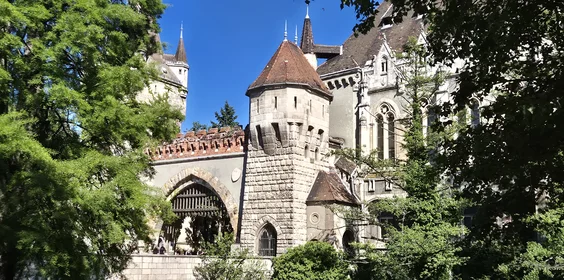


What will you find here?
News

Public transport
Budapest közösségi közlekedése Európa egyik legsűrűbb hálózata, amely négy metróvonalból, kiterjedt villamos- és buszhálózatból, valamint trolibuszokból és a HÉV-járatokból áll. A közlekedés 2026-ban is a BudapestGO alkalmazáson keresztül a legegyszerűbb, ahol digitális jegyeket és időalapú (30 vagy 90 perces) jegyeket is válthatsz, melyek korlátlan átszállást biztosítanak. A papíralapú vonaljegyek mellett népszerűek a 24 és 72 órás jegyek, a turisták számára pedig a Budapest Kártya nyújt ingyenes közlekedést és számos múzeumi kedvezményt. Fontos szabály, hogy a jegyeket az utazás megkezdésekor érvényesíteni kell (papírnál pecsételéssel, digitálisnál QR-kód beolvasásával), kivéve a metróvonalak közötti átszállást, ahol egyetlen vonaljegy is elegendő. Részletes információkat a jegytípusokról, árakról és a menetrendről a BKK hivatalos oldalán találsz: https://bkk.hu/utazasi-informaciok/kozossegi-kozlekedes/
- railway
- bus
- ship
- tramtrain / HÉV
Parking information
Budapest közterületi parkolási rendszere egységes zónákra épül, amelyek meghatározzák az óradíjakat és a várakozási idő maximumát. A város négy fő zónára oszlik: az "A" zóna a legforgalmasabb belvárosi részeket fedi le (600 Ft/óra, reggel 8-tól este 10-ig), míg a "B", "C" és "D" zónák felé haladva a díjak és a fizetős időszakok fokozatosan csökkennek. Fontos tudni, hogy a legtöbb zónában maximum 3 óra várakozás engedélyezett, kivéve a "D" zónát, ahol nincs időkorlát. Az ünnepnapok és a hétvégék általában díjmentesek, de a kiemelt turisztikai övezetekben – mint a Budai Vár vagy a Margitsziget – egyedi szabályozás és magasabb díjszabás érvényes a hét minden napján. A környezetbarát közlekedés ösztönzéseként a zöld rendszámmal rendelkező autók jelenleg még számos helyen ingyenesen parkolhatnak, de a kerületi szabályozások ebben eltérhetnek. A parkolási zónák aktuális térképéről, a pontos díjakról és a mobilfizetési lehetőségekről a BKK hivatalos oldalán tájékozódhatsz részletesen: https://bkk.hu/utazasi-informaciok/kozuti-kozlekedes/parkolas/
- Paid parking available
- Free outdoor parking available
- Paid bus parking available
- E-bike charging available
- Guarded covered parking
- Guarded open parking
- Electric car charging available (paid)