The Széchenyi Chain Bridge in Budapest is not only an iconic symbol of the capital but also an enduring monument to Hungarian modernisation and unity.
Perched atop Gellért Hill, the Citadel is one of Budapest's most complex historical landmarks. Once a Habsburg fortress built to intimidate, it has transformed over the centuries into a symbol of Hungarian freedom and a showcase for the city's panoramic views. Following the major reconstruction in 2025–2026, the complex shed its austere character for good: its walls were opened in several places, and inside, a vast green park and modern exhibition spaces were created.
If there's one place in Budapest you can never tire of, it's the Fisherman's Bastion. Whether you're passing by for the hundredth time or seeing it for the first, the intricate stone towers and the panoramic view of the Danube never fail to take your breath away. But how did this medieval fortress become the capital's most photographed spot, and what can we do to ensure that our grandchildren can marvel at it just as much?
The Great Market Hall at Fővám Square is one of Budapest's most iconic landmarks and the largest covered market in the city. Located at the Pest end of Liberty Bridge, the building captures the atmosphere of late 19th-century Budapest while reflecting the vibrant pulse of modern urban life: a shopping destination, a gastronomic meeting point, and a tourist attraction all in one.
Heroes' Square is one of Budapest's most famous and most visited public spaces, marking the end of Andrássy Avenue and serving as the gateway to City Park. Together with the Millennium Monument, the square is one of the most important symbols of Hungarian statehood and historical memory in Budapest, and along with Andrássy Avenue, it is part of the Budapest World Heritage Site.
Nestled in the heart of City Park, the House of Hungarian Music is more than just a concert venue or museum – it’s a multifaceted experience centre that brings the world of music closer to all generations. Japanese architect Sou Fujimoto envisioned a 'grove of sounds' where the boundaries between the built and natural environments blur. The building aims to not only allow the enjoyment of music but also to deepen understanding and engagement with it in an interactive and inspiring setting.
Located in District III of Budapest (Óbuda), at 1 Korona Square, the Hungarian Museum of Trade and Hospitality (MKVM) is the only specialised museum in the country that collects, organises, and presents the artefacts and history of domestic and international trade, hospitality, tourism, and the hotel industry. The museum is housed in the former Krúdy House, a 19th-century architectural monument combining classical and Art Nouveau elements, which is a valuable piece of architecture in its own right.
The National Museum is much more than just an exhibition space: it is one of the central sites of Hungarian historical memory. During the 1848–49 revolution and war of independence, the square in front of the museum and the Museum Garden were important political and community venues, and later the building also housed the upper house of parliament. Today, the museum symbolises the preservation of national heritage, the transmission of historical knowledge, and the nurturing of collective memory.
An inseparable part of Budapest's skyline, the Hungarian Parliament Building shines on the banks of the Danube. It is not only a political centre but also a carved-in-stone symbol of Hungarian independence and cultural identity. The building is the third largest parliamentary building in the world, and with its harmonious proportions and intricate decorations, it stands as one of the finest examples of Neo-Gothic architecture in Europe.
Budapest-Keleti Railway Station is not only Hungary's busiest railway hub but also one of the capital's most impressive and internationally renowned architectural masterpieces. Opened in 1884, the station stands as a monumental testament to the technological advancements of its time and the economic prosperity of the Austro-Hungarian Empire, retaining its original function and historical grandeur to this day.
The Liberty Bridge is one of Budapest's most famous Danube bridges, connecting Fővám Square and Szent Gellért Square. Opened in 1896, the crossing was originally named Franz Joseph Bridge and played a key role in shaping modern Budapest as the city's third bridge. It is easily recognisable by its distinctive green steel structure and the turul birds adorning its pillars.
Standing tall at the highest point of Gellért Hill, near the eastern bastion of the Citadel, is perhaps the most iconic figure of the Hungarian capital. The female figure holding a palm branch aloft not only dominates the skyline but also bears witness to Budapest's turbulent history and constant renewal. Following the major reconstruction in 2025–2026, the statue and its surroundings now exemplify modern, sustainable, and inclusive tourism.
On the southern slopes of the Buda Castle District, next to the Garden of Philosophers, stands a creation that is one of Budapest's most beautiful yet understated symbols. Márta Lesenyei's 1982 bronze statue is not just a monument: it is an intimate declaration of the unification of two city districts, inviting visitors to pause and touch.
The jewel of the Buda Castle District, Matthias Church, with its over seven-hundred-year-old walls and iconic, colourful Zsolnay roof tiles, has been the site of some of the most significant events in Hungarian history. This Gothic masterpiece is now not only a spiritual and cultural hub but also a model of conscious heritage preservation, where medieval traditions meet modern sustainability efforts above the Danube.
Located at the gateway to City Park, the Museum of Ethnography is not just an exhibition space but one of Europe's most modern specialist museums and a new architectural landmark of Budapest. Its mission is to bridge the values of the past with contemporary society, showcasing the tangible and intangible heritage of Hungarian and distant world cultures. This venue proves that preserving traditions and 21st-century conscious urban development can coexist in perfect harmony.
The Museum of Fine Arts, located on Heroes' Square, is one of Hungary's most important art institutions. It is a place where the relics of ancient civilisations, the works of European old masters, and the early chapters of Hungary's artistic heritage come to life under one roof, engaging in dialogue with one another. The museum is simultaneously an architectural landmark, a cultural reference point, and an experience that enriches a visit to Budapest with deeper historical and artistic significance.
This public artwork, located at 11 Práter Street in Budapest's 8th district, depicts one of the most defining scenes, the 'einstand', from Ferenc Molnár's 1907 novel, The Paul Street Boys. The sculpture group was created by sculptor Péter Szanyi and was unveiled in September 2007 to mark the 100th anniversary of the novel's publication.
Nestled in the lush greenery of Budapest's City Park, the Széchenyi Thermal Bath is not only one of the Hungarian capital's most iconic landmarks but also one of the largest and most impressive spa complexes in Europe. Opened in 1913, this institution offers a perfect synthesis of historic bathing culture and modern recreation. Its yellow walls and monumental domes proudly proclaim the status of Pest's first thermal bath, which has now become one of Budapest's most important tourist destinations, located right next to a UNESCO World Heritage site.
Nestled in the shade of the trees in Budapest's City Park, Vajdahunyad Castle is one of the most unique architectural ensembles in Europe. At first glance, it appears to be a genuine medieval fortress, but upon closer inspection, visitors are presented with a storybook of Hungarian architectural history spanning a thousand years. With its magical blend of historical styles and the reflection of the surrounding lake, the building complex offers an unforgettable sight, especially in autumn, for the conscious travellers of i-dest.com.
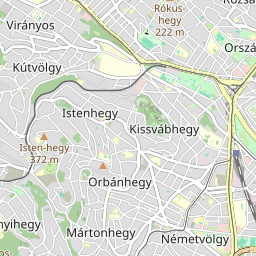
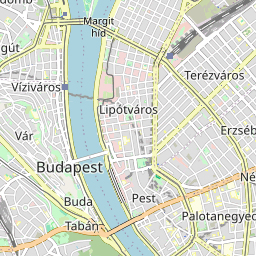
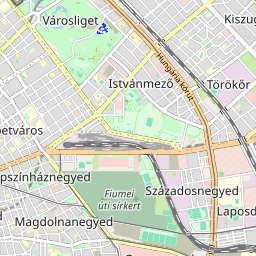
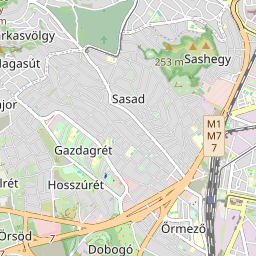
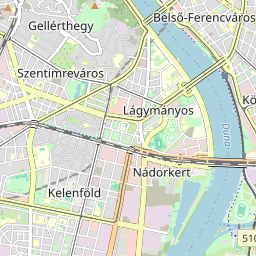
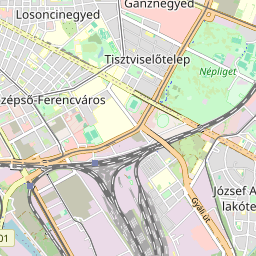
The map loads from Google Maps.
© OpenStreetMap contributors