Museum of Ethnography
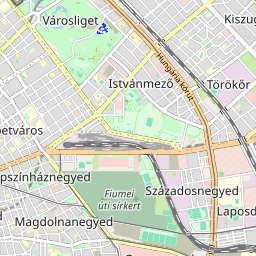
Located at the gateway to City Park, the Museum of Ethnography is not just an exhibition space but one of Europe's most modern specialist museums and a new architectural landmark of Budapest. Its mission is to bridge the values of the past with contemporary society, showcasing the tangible and intangible heritage of Hungarian and distant world cultures. This venue proves that preserving traditions and 21st-century conscious urban development can coexist in perfect harmony.
- Cash
- Bank card accepted
- Paid parking available
The Building: A Vibrant Landscape Architectural Masterpiece
Designed by Marcel Ferencz (Napur Architect), the building evokes two interwoven hillsides, blending seamlessly into the park's environment. The façade is covered with a unique metal lattice network of half a million pixels, displaying Hungarian and international ethnographic motifs in a modern reinterpretation. The most striking feature of the building is the 7,000-square-metre rooftop garden, which serves as a free-to-access community space. This vast green area is not only a place for relaxation but also plays a significant environmental role: it helps reduce the urban heat island effect and refreshes the surrounding air.
The Exhibition: A Wealth of Digital and Physical Treasures
Inside the museum, over 250,000 objects are preserved, ranging from tools of Hungarian peasant life to artefacts of exotic tribal rituals. The highlight of the visit is the Ceramics Hall, where thousands of creations are displayed in a monumental glass-walled gallery. The exhibitions are designed with a strong focus on experience: interactive panels and digital guides enhance understanding, reducing the need for paper-based informational materials. The museum not only preserves the past but also invites dialogue on contemporary global social issues.
Sustainability and Conscious Museum Management
The Museum of Ethnography is a pioneer in environmental and cultural sustainability:
-
Energy-efficient design: Sixty per cent of the building is located underground. This solution provides natural insulation, requiring minimal energy for heating and cooling the exhibition spaces compared to traditional buildings.
-
Green mobility: As part of City Park, the museum is easily accessible by bicycle, on foot, or via the Millennium Underground (M1). Selective waste bins and bicycle racks around the building encourage environmentally friendly behaviour.
-
Cultural ecology: The museum's digital archive ensures that knowledge is preserved and remains accessible to everyone without the need for physical travel or paper-based documentation.
Target group
-
Class trips
-
Families with younger children
-
Families with older children
-
Multigenerational programs
-
Friends
-
Seniors
-
Couples
Other services
Sights, programs
All
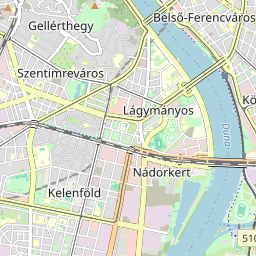
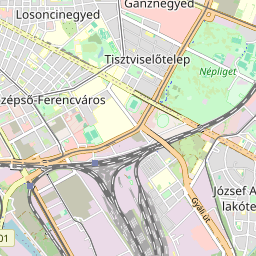
Parking information
- Paid parking available