Milánó
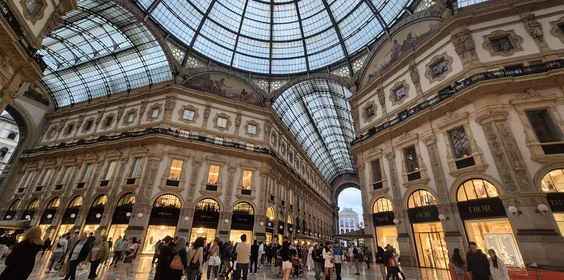
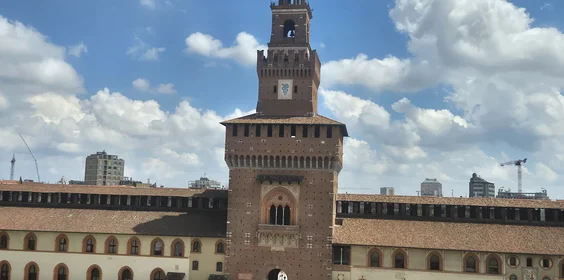
Milánó Olaszország egyik legizgalmasabb városi desztinációja: egyszerre pénzügyi központ, divatfőváros, kulturális találkozópont és élhető, folyamatosan megújuló európai metropolisz. A város különlegessége abban rejlik, hogy a történelmi örökség és a kortárs városi dinamika nem egymás mellett, hanem egymást erősítve van jelen. A Dóm monumentális gótikus architektúrája, a Galleria Vittorio Emanuele II eleganciája, a Scala operaház világa, Leonardo da Vinci Utolsó vacsorája és a Sforza-kastély történelmi tere mind olyan ikonikus pontok, amelyek Milánót Európa kiemelkedő kulturális városai közé emelik.
Ugyanakkor nemcsak a klasszikus látnivalók városa. A látogatói élmény legalább ennyire épül a város mindennapi ritmusára: a kávézók, aperitivo-bárok, kortárs galériák, designüzletek, divatnegyedek, kreatív műhelyek és újrahasznosított ipari terek világára. A Brera művésznegyed, a Navigli csatornái, a Porta Nuova modern felhőkarcolói, az Isola negyed kreatív energiája és a CityLife kortárs építészete mind azt mutatják, hogy Milánó nem múzeumváros, hanem élő városi laboratórium.
A város különösen vonzó azok számára, akik a kultúrát, a gasztronómiát, a vásárlást, a design világát és az urbánus életstílust szeretnék egyetlen utazásban összekapcsolni. Milánóban a luxus és az egyszerű városi élmény is megtalálható: a nemzetközi divatházak kirakatai mellett kis kézműves üzletek, történelmi pékségek, piacok, családi trattoriák és kortárs street food helyek is formálják a város karakterét.
A desztináció egyik legnagyobb előnye kiváló elérhetősége. Milánó nemzetközi vasúti, légi és közúti kapcsolatai révén könnyen megközelíthető, a városon belül pedig metró, villamos, busz, elővárosi vasút, gyalogos útvonalak és kerékpáros lehetőségek segítik a felfedezést. A város ideális rövid városlátogatásra, kulturális hétvégére, üzleti útra, MICE-rendezvényekre, gasztronómiai programokra és tematikus városi sétákra is.
Milánó turisztikai kínálata túlmutat a belvárosi ikonokon. A város felfedezhető tematikus útvonalak mentén is: Leonardo nyomában, kortárs építészeti sétákon, design- és divattörténeti útvonalakon, fenntartható gasztronómiai programokon, zöld városi terekben vagy kevésbé ismert városrészekben is.
Fenntartható turizmus Milánóban
Milánó fenntarthatósági törekvései elsősorban abból a felismerésből indulnak ki, hogy egy nagyvárosi desztináció turizmusa csak akkor lehet hosszú távon versenyképes, ha egyszerre kezeli a mobilitás, a levegőminőség, a klímaalkalmazkodás, a zöldterületek, a helyi közösségek és a látogatói élmény kérdéseit. A város hivatalos Air and Climate Plan dokumentuma a levegőminőség javítását, az üvegházhatású gázok csökkentését és a karbonsemlegesség felé vezető átmenetet helyezi középpontba. Ez a turizmus szempontjából is meghatározó, hiszen a látogatók közlekedése, a rendezvények, a szálláshelyek, a vendéglátás és a városi terek használata közvetlenül kapcsolódik a városi környezeti teljesítményhez.
A fenntartható mobilitás Milánó egyik legfontosabb területe. A város Area C és Area B rendszerekkel korlátozza a legszennyezőbb járművek behajtását, miközben a közösségi közlekedés, a villamos- és metróhálózat, a gyalogos városnézés és a kerékpáros közlekedés egyre nagyobb szerepet kap. A látogatók számára ez azt jelenti, hogy Milánó jól bejárható autó nélkül is. A város felfedezése tömegközlekedéssel, gyalog vagy kerékpárral nemcsak környezetkímélőbb, hanem sok esetben élményszerűbb is: így jobban érzékelhetőek a városrészek közötti különbségek, a helyi élet ritmusa és a kevésbé ismert városi értékek.
Milánó zöld átmenetének másik fontos eleme a városi zöldfelületek és a klímaadaptáció erősítése. A hőhullámok, a légszennyezés és a nagyvárosi beépítettség miatt a parkok, fasorok, árnyékos közterek, zöldtetők és új városi zöldprojektek nemcsak esztétikai, hanem egészségügyi és klímavédelmi szerepet is betöltenek. A Parco Sempione, a Biblioteca degli Alberi, a városi kertek és a megújuló közterek a látogatók számára is alternatívát kínálnak a zsúfolt turisztikai pontok mellett.
A fenntartható turizmus Milánóban nem kizárólag környezetvédelmi kérdés. A város jelentős hangsúlyt fektet a helyi gazdaság, a kreatív iparágak, a design, a gasztronómia és a közösségi értékek összekapcsolására is. A helyi piacok, kézműves műhelyek, kisvállalkozások, családi vendéglátóhelyek és városrészi kulturális kezdeményezések mind hozzájárulnak ahhoz, hogy a turizmus bevételei ne csak a legismertebb attrakciók körül koncentrálódjanak, hanem szélesebb helyi ökoszisztémát erősítsenek.
Kiemelt figyelmet érdemel Milánó élelmiszerpazarlás elleni és tudatos gasztronómiai szemlélete is. A város nemzetközi szinten is ismert arról, hogy városi szintű megoldásokat keres az élelmiszerhulladék csökkentésére, miközben gasztronómiai kínálata a hagyományos lombard ételektől a kortárs, növényi alapú és fenntarthatóbb étkezési formákig sokféle választási lehetőséget kínál. Az I-DEST szempontjából ez jól kapcsolható a helyi alapanyagokra, ételpazarlás-csökkentésre, vízfogyasztásra, szelektív hulladékgyűjtésre és felelős vendéglátásra épülő szolgáltatói adatokhoz.
A városi turizmus egyik kihívása Milánóban is a látogatói nyomás térbeli és időbeli kezelése. Bár Milánó nem klasszikus értelemben vett „túlturistásodott” történelmi város, bizonyos ikonikus helyszínek – például a Dóm környéke, a Galleria Vittorio Emanuele II, a Navigli vagy a főbb múzeumok – kiemelt látogatói koncentrációt vonzanak. A fenntartható desztinációmenedzsment szempontjából ezért fontos a látogatók terelése kevésbé ismert városrészek, tematikus útvonalak, kulturális negyedek, zöldterületek és helyi szolgáltatók felé. Ez nemcsak a zsúfoltságot csökkentheti, hanem a város gazdasági és kulturális hasznait is kiegyensúlyozottabban oszthatja el.
Milánó felfedezése akkor a leggazdagabb élmény, ha nemcsak a legismertebb látnivalókat keressük, hanem figyelünk arra is, hogyan kapcsolódunk a városhoz. Érkezzünk lehetőség szerint vonattal vagy közösségi közlekedéssel, használjuk a metrót és a villamosokat, sétáljunk a városrészek között, keressük a helyi éttermeket és piacokat, töltsük újra a kulacsunkat, válasszunk kisebb, helyi szolgáltatókat, és fedezzük fel a kevésbé ismert negyedeket is. Így Milánó nemcsak látványos városi úti cél, hanem tudatos, értékalapú utazási élmény is lehet.
- Szerkesztőségi tartalom -
Getting there and arrival
- Bike
- Electric bicycle
- Railway
- Bus (rented for the trip)
- Motorcycle
- Car
- Airplane
Transport options in the destination
- Walk
- Bike
- Electric bicycle
- Public bus transportation
- Bus (rented for the trip)
- Motorcycle
- Car
- Tram
- Metro
Sights, programs
All
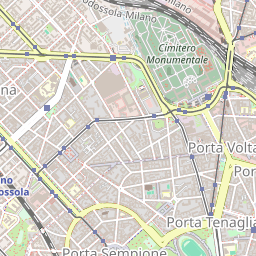
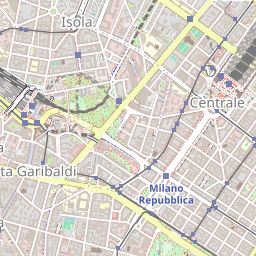
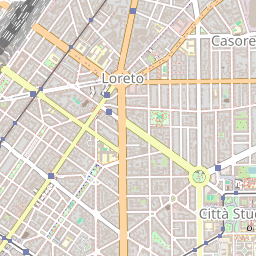
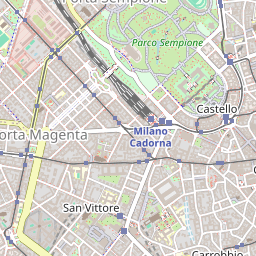
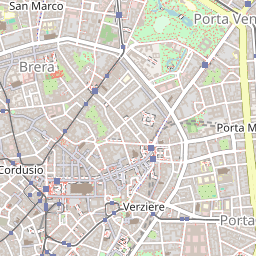
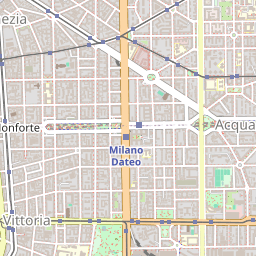
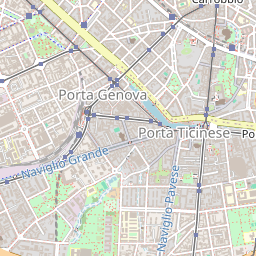
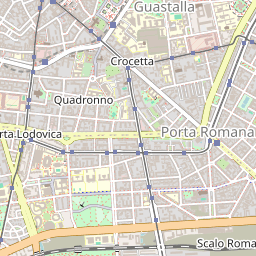
What will you find here?
Public transport
Milánó közösségi közlekedése rendkívül hatékony és jól szervezett, amelyet a négy (plusz a bővülő ötödik) metróvonalból ($M1, M2, M3, M5$), kiterjedt villamoshálózatból és buszjáratokból álló ATM rendszer működtet. A jegyrendszer teljesen integrált és zónaalapú, a leggyakoribb 90 perces vonaljegy (Mi1–Mi3 zóna) a metrón és a felszíni járatokon is érvényes, de elérhetők 24 vagy 48 órás turistajegyek is. A legkényelmesebb megoldás a touchless fizetés, azaz a bankkártyád vagy telefonod érintése a beléptetőkapuknál (bár a metróról való kilépéshez is újra elő kell venned a kártyát).A részletes útvonaltervezőt, a menetrendeket és a különböző jegytípusok árait a hivatalos ATM Milano közösségi közlekedési oldalon éred el: https://www.atm.it/en/ViaggiaConNoi/Pages/default.aspx
- railway
- bus
Parking information
Milánóban a közúti parkolást szigorú színkódok és környezetvédelmi zónák szabályozzák: a kék vonallal jelzett helyek fizetősek (a belváros felé haladva egyre magasabb óradíjakkal és időkorláttal), a sárga vonalak a helyi lakosoknak, a fehérek pedig az ingyenes parkolásra szolgálnak. Különösen figyelni kell a történelmi belvárost lefedő Area C zónára, ahová a behajtás hétköznap napközben környezetvédelmi díjhoz (behajtójegyhez) kötött, valamint a behajtási tilalmat jelző ZTL (Zona a Traffico Limitato) táblákra. A legpraktikusabb és legolcsóbb megoldás a külvárosi metróállomások melletti, úgynevezett P+R (Park & Ride) gyűjtőparkolók használata, ahonnan tömegközlekedéssel gyorsan elérhető a centrum. A hivatalos parkolási zónák térképét, az aktuális óradíjakat és a fizetési módokat a milánói közlekedési vállalat hivatalos ATM Milano parkolási oldalán találod meg: https://www.atm.it/en/AltriServizi/Auto/Pages/SostaStrada.aspx
- Paid parking available