Kóbe
Kobe Japán Kanszai régiójának egyik legkarakteresebb városa: kozmopolita hangulatú kikötő, amelyet szó szerint „két oldalról” formál a táj – a Seto-beltenger partvonala és a Rokko-hegység vonulata. Osaka és Kyoto felől gyorsan, vasúton is könnyen elérhető, ezért ideális városi kitérő akkor is, amikor a klasszikus főszezonon kívül, télen utazunk.
Kobe modern nemzetközi arculata alapvetően az 1868-as kikötőnyitáshoz köthető: a város ekkor a külkereskedelem egyik korai japán kapujává vált, ami a kereskedelemben, az iparban és a kulturális sokszínűségben is máig látható nyomot hagyott.
A 20. század vége ugyanakkor egy másik, meghatározó fordulópontot is hozott: az 1995-ös nagy hansini-awadzsi földrengés sokkja után Kobe újjáépítése a város identitásának részévé vált, és a reziliencia (ellenálló képesség) ma is erős narratíva a helyi közpolitikában és városfejlesztésben.
Kobe nemcsak kikötőváros, hanem kreatív város is: 2008 óta a UNESCO Creative Cities Network „City of Design” (Design Városa) címet viseli, ami a város kulturális nyitottságát és tervezésközpontú szemléletét is jelzi.
Látnivalók és élmények – a vízparttól a hegyekig
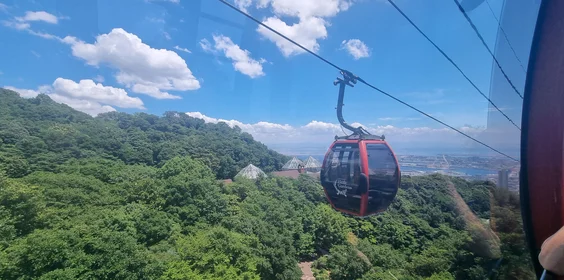
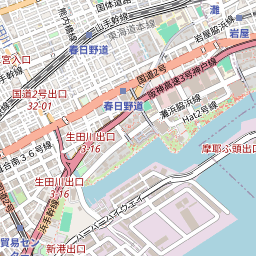
A városi élmény szíve a vízpart: Meriken Park környéke ikonikus esti látképpel, múzeumokkal és sétányokkal ad „kobe-i” hangulatot. Innen természetes folytatás a kikötő újabb kulturális csomópontja, a Kobe Port Museum, amely többfunkciós létesítmény (többek között akváriummal és gasztronómiai egységekkel), és a kortárs vízparti megújulás egyik szimbóluma. Ha pedig egyetlen panorámát választanál, a Rokko-hegység felől megnyíló városkép sokak számára Kobe „védjegye” – különösen télen, amikor a levegő tisztább, a látvány pedig gyakran kontrasztosabb.
Gasztronómia – a Kobe marha, mint helyi örökség
Kobe világhírű gasztronómiai márkája a Kobe marha: a Tajima-vonalból származó, Hyōgo prefektúrában nevelt wagyu marhából származó hús, amelyet szigorú minősítési kritériumok alapján lehet „Kobe beef”-ként értékesíteni. A megnevezés védelmét erősíti, hogy a „Kobe Beef” és a „Tajima Ushi” 2015-ben Japán GI-rendszerében is regisztrációt kapott, ami a helyi eredet és minőség oltalmát szolgálja.
Kobe lépései a fenntarthatóság felé
Kobe városi szinten is egyre erősebben pozicionálja magát fenntartható irányba: 2020-ban bejelentette a 2050-es karbonsemlegességi célhoz kapcsolódó vállalását, és a megvalósításhoz kapcsolódóan megújuló energia, valamint hidrogénhez köthető megoldások ösztönzését is kommunikálja. A természetközeli városrészek és a biodiverzitás védelme terén a város a „Satoyama” (városközeli mozaikos táj) értékeire épít: a KOBE Satoyama stratégiai irányai 2023-tól kifejezetten a természeti területek megőrzését és a lakossági tudatosság növelését is hangsúlyozzák. Kobe a fenntartható városfejlesztésben régóta aktív: 2013 óta országos ‘Environmental Model City’ Japánban.
A település kiváló példa arra, hogyan lehet a turisztikai élményt „egész évre” széthúzni: a téli időszakban is működő városi attrakciók (múzeumok, vízparti terek, városnézés, gasztronómia) segítenek csökkenteni a szezonális túlterhelést, és kiegyensúlyozottabb helyi gazdasági hasznot teremtenek. Ehhez látogatóként elég néhány tudatos döntés: vasúti és helyi közösségi közlekedés előnyben részesítése, sétálható városi útvonalak, helyi vállalkozások támogatása, valamint a természeti és kulturális örökség tisztelete.
- szerkesztőségi tartalom -
Getting there and arrival
- Bike
- Electric bicycle
- Railway
- Bus (rented for the trip)
- Ship
- Boat (sailboat, motorboat)
- Motorcycle
- Car
- Airplane
Transport options in the destination
- Walk
- Bike
- Electric bicycle
- Public bus transportation
- Bus (rented for the trip)
- Boat (sailboat, motorboat)
- Motorcycle
- Car
Sights, programs
What will you find here?
Public transport
- railway
- bus
- ship