-
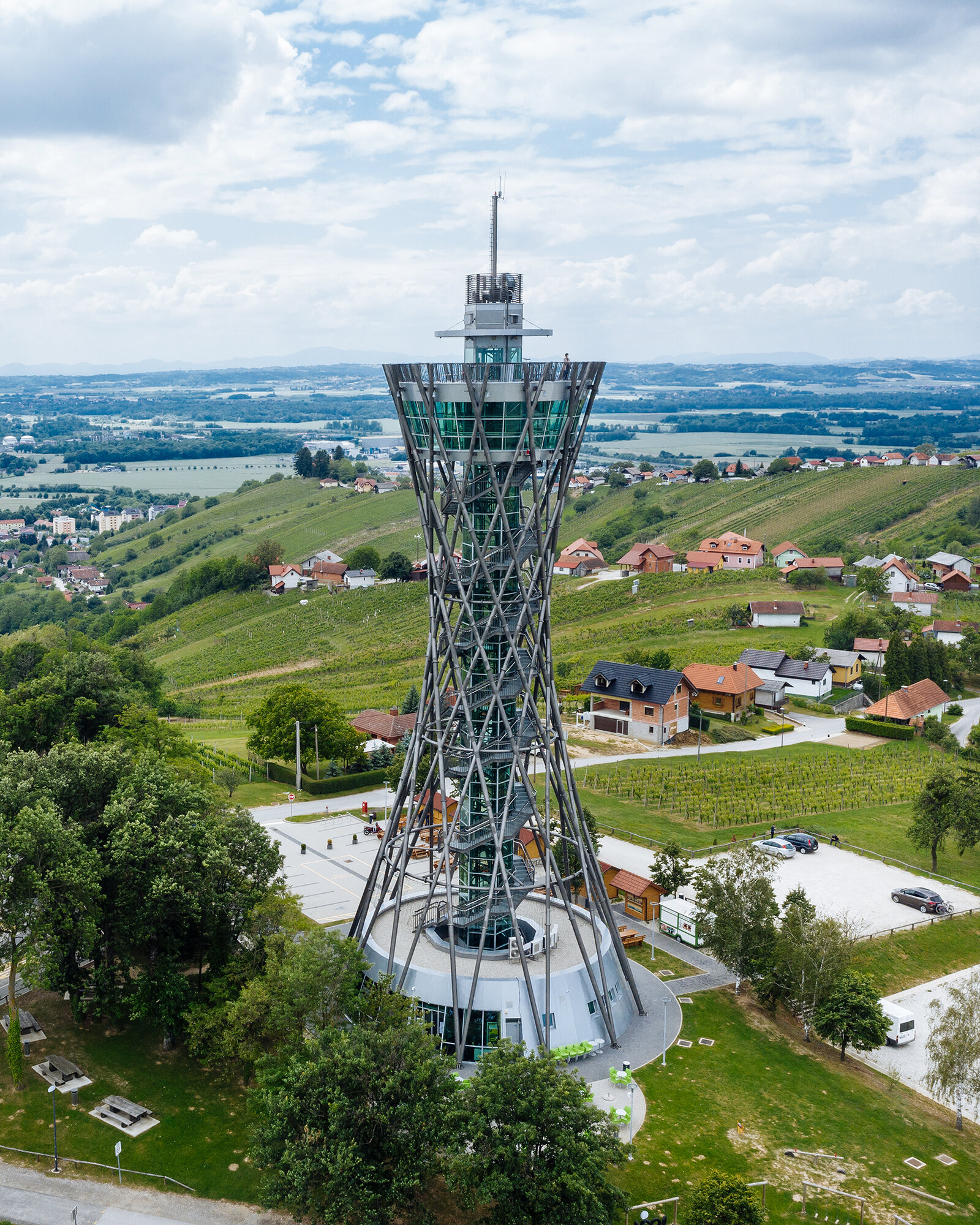
Photo: Funkit Marketing -

Photo: Jure Banfi -
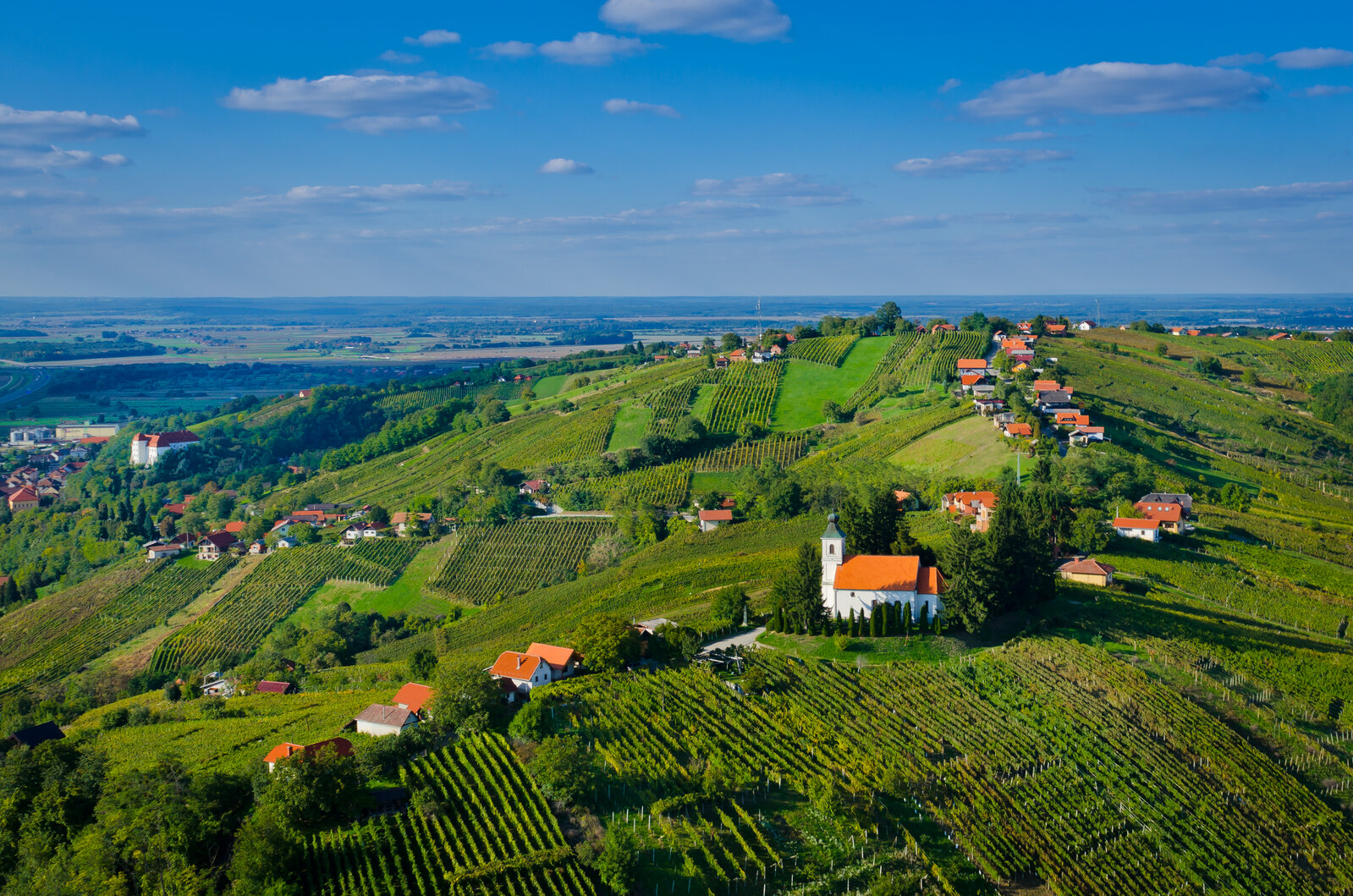
Photo: Sandi Baumgartner -
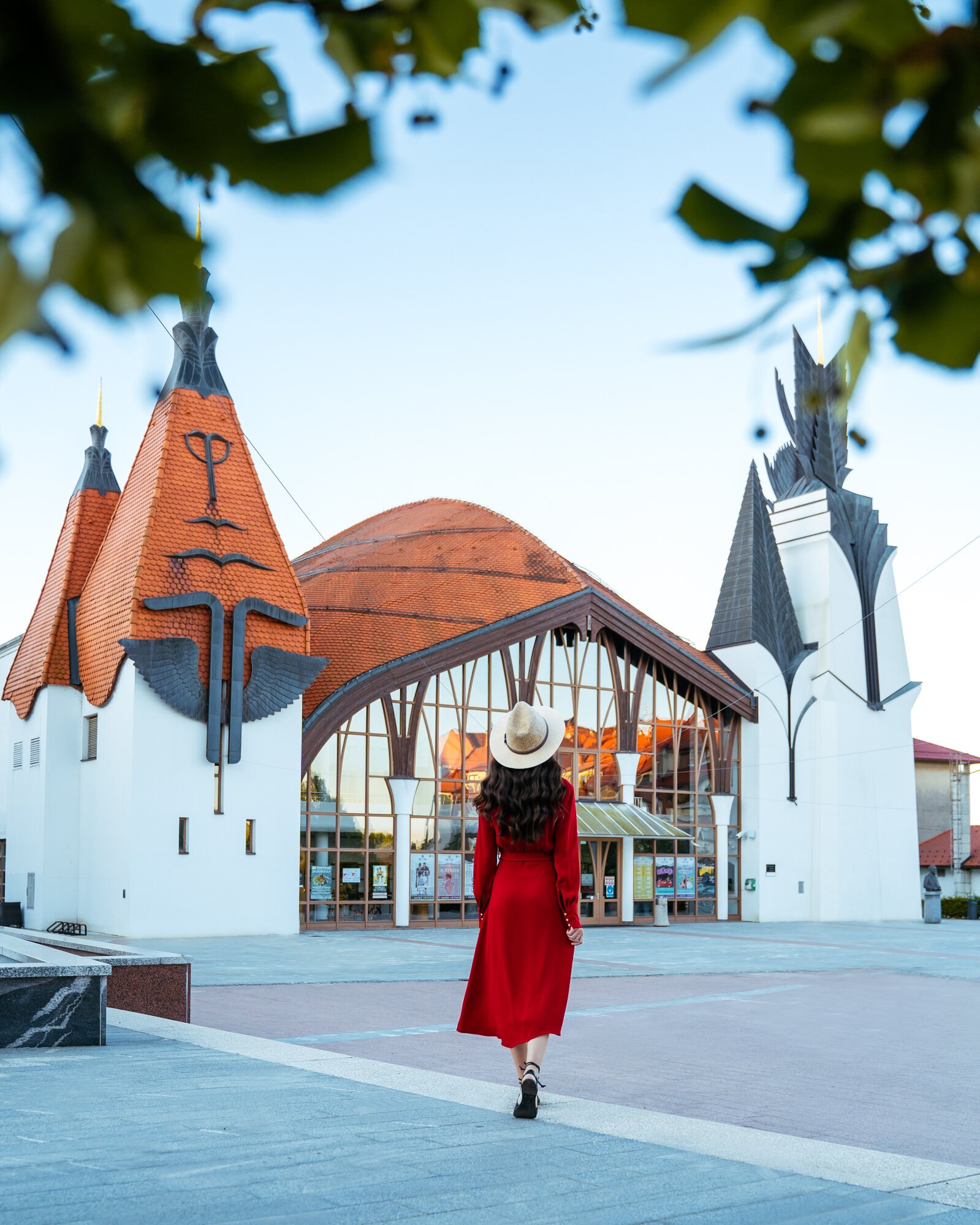
Photo: Funkit Marketing -

Photo: Biserka Sijarič


Lendava
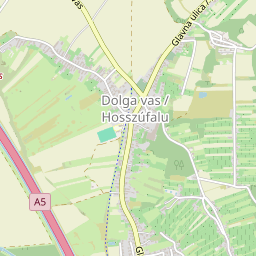
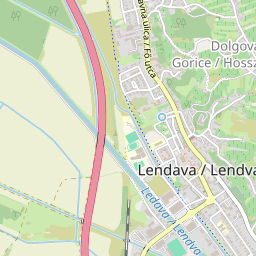
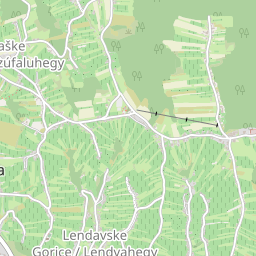
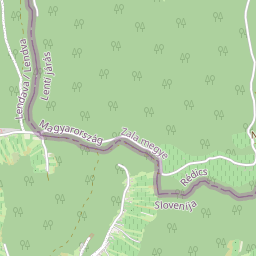
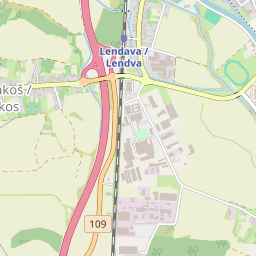
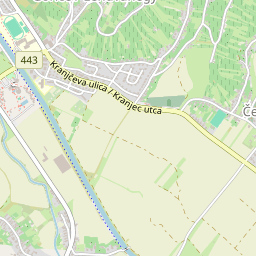
Najbolj vzhodno slovensko mesto skriva številne zanimivosti. Majhna Lendava je veliki simbol sobivanja in raznolikosti, kulture in gastronomije. Je enako oddaljena od Ljubljane, Budimpešte, Zagreba in Dunaja in velja za kulturno središče, kjer sobivajo slovenska, madžarska ter hrvaška in romska skupnost. Če k temu dodamo še sloves odličnih vin in prestolnice bograča ter kraj, kjer si v termah spočijete telo in duha, se seznam razlogov za obisk in doživetje Lendave zgolj še povečuje. Največji adut Lendave je njena raznolikost, ki jo začutite na vsakem koraku, ter bogata kulturna dediščina in zgodovina kraja, o čemer pričajo zgodbe mestnega jedra. Sprehodite se po vinski cesti, najbolj vzhodni v Sloveniji, kjer so posejane vinske kleti, od koder se ponujajo čudoviti razgledi na pokrajino. Obkrožena z zelenimi polji in čudovito naravo je Lendava odlična destinacija tudi za aktivne dopustnike. Kolesarjenje in pohodništvo sta priljubljeni dejavnosti v teh krajih, s številnimi stezami in stranpotmi, ki so kot nalašč za pustolovsko raziskovanje mesta in okolice. Tukajšnja kulinarična ponudba navdušuje s širokim naborom jedi, ki povzemajo gastronomsko zgodbo regije, med najbolj prepoznavnimi jedmi je prav gotovo bograč.
Dobrodošli pri nas!
Getting there and arrival
- Walk
- Bike
- Bus (rented for the trip)
- Car
- Electric bicycle
- Motorcycle
Transport options in the destination
- Walk
- Bike
- Bus (rented for the trip)
- Car
- Electric bicycle
- Motorcycle
Sights, programs
All

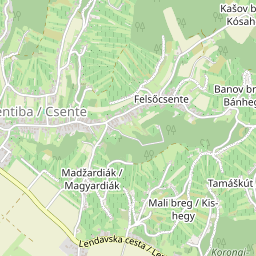
What will you find here?
-
Event venues
Public transport
https://lendava-lendva.si/mobilnostvlendavi
- bus
Parking information
https://lendava-lendva.si/nakupovanje/parkiranjevlendavi
- Free outdoor parking available
- Electric car charging available (paid)
- E-bike charging available
- Free bus parking available
Sustainability status report
Topic 1: Destination Management 72%
- Visitor management: 2/5 70%
- Commitment and organization: 1/4 50%
- Design & development: 4/6 67%
- Monitoring and reporting: 3/4 75%
- Legal and ethical compliance: 2/2 100%
Topic 2: Nature and landscape 37%
- Nature and wildlife protection: 1/3 33%
- Nature and conservation: 1/5 40%
Topic 3: Environment and climate 27%
- Land use and pollution: 0/3 17%
- Water management: 2/5 50%
- Energy, sustainable mobility and climate change: 2/7 29%
- Adaptation to climate change: 0/2 0%
- Waste and recycling: 2/5 40%
Topic 4: Culture and traditions 83%
- Cultural heritage: 2/3 67%
- People and traditions: 4/4 100%
Topic 5: Social Welfare 54%
- Health and safety: 1/2 50%
- Local economy: 5/5 100%
- Socio-economic impacts: 1/2 50%
- Community participation: 1/4 25%
- Human dignity: 3/7 43%
Topic 6: Business and Communication 58%
- Business participation: 3/9 33%
- Information and marketing: 2/3 83%