Kiotó
Kiotó Japán egyik legsűrűbb kulturális élményt kínáló városa: egyszerre császárváros, vallási központ és élő kézműves hagyománytér. A városszövetben a klasszikus faépítészet, a kertek művészete és a mindennapi rítusok (teázás, piacozás, évszakünnepek) egymásra rétegződnek. A város történeti jelentőségét a világörökségi helyszínként nyilvántartott „Historic Monuments of Ancient Kyoto (Kyoto, Uji and Otsu Cities)” is jelzi, amely Kiotó térségében 16 szentélyt/templomot és 1 várat foglal magában.
Hangulat és városrészek: hol milyen Kiotó vár
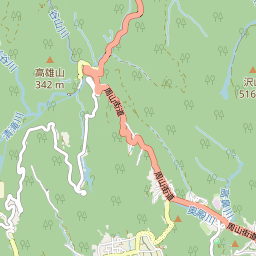
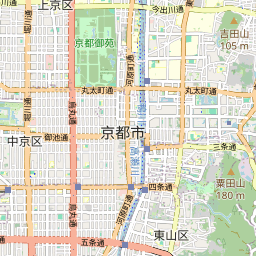
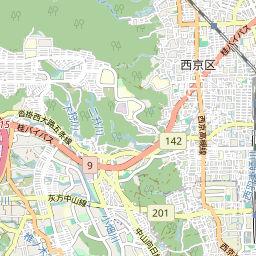
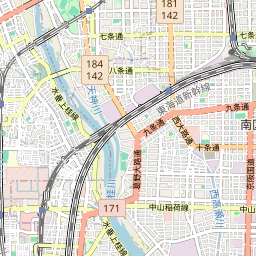
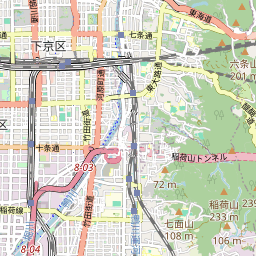
Kiotó felfedezése akkor a legjobb, ha városrészekben gondolkodsz, mert mindegyik más hangulatot ad. Higashiyama a „klasszikus képeslap-Kiotó” meredek utcáival, pagodáival és templomaival; Gion és környéke a hagyományos teaházas világ kapuja; Arashiyama a nyugati, zöldebb Kiotó (bambuszligettel, folyóparttal, kertekkel); Fushimi és Uji délen a sinto szentélyek és a tea-kultúra terepe; a belváros pedig a gasztronómia és a kortárs városi élet ritmusa.
Látnivalók
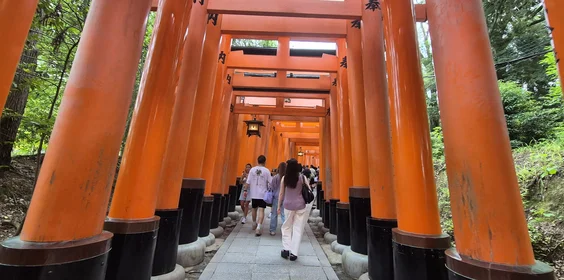
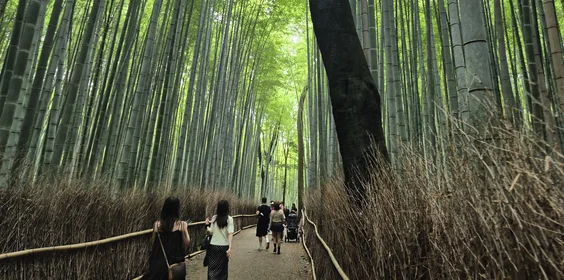
Higashiyamában érdemes korán kezdeni: Kiyomizu-dera környéke reggel adja a leginkább „csendes Kiotó” élményt. A délután a közeli szentélyek, kisebb kertek és az esti fények miatt ideális Gion–Hanamikoji környékére átsétálni, ahol a hagyományos városkép a legjobban megmaradt. Arashiyamában a bambuszliget és a környező kertek mellé érdemes folyóparti sétát és egy lassabb ebédet tervezni, mert a terület könnyen zsúfolt lesz, ha csak „beugrós” megállónak kezeled. Fushimi Inari a torii-kapuk folyosóival ikonikus, és különösen jó kora reggel vagy késő délután, amikor a fények és a tömeg is kedvezőbb.
Kiotó erőssége az, hogy a kulturális örökséget élményként is meg lehet fogni. A Nishiki piac és a kisebb élelmiszerüzletek a helyi alapanyagok és szezonális ízek miatt önmagukban programok. A kaiseki jellegű konyha, a tofu- és zöldséghagyományok, a matcha és a wagashi (japán édességek) mind olyan „helyspecifikus” élmények, amelyekhez nem kell különleges előképzettség, csak egy jól megválasztott étterem és némi nyitottság. Kézműves oldalról a textil, kerámia, lakkozás és bambuszmesterség kiotói kötődései miatt érdemes olyan kis műhelyeket/boltokat keresni, ahol a történet is része a vásárlásnak.
Mikor érdemes menni?
A tavasz (cseresznyevirágzás) és az ősz (lombszíneződés) a legnépszerűbb, egyben a legzsúfoltabb időszak. Nyáron a fesztiválok (például Gion Matsuri) adnak erős kulturális fókuszt, viszont meleg és párás lehet; télen pedig kevesebb a látogató, sokszor tisztábbak a városi nézetek és intimebbek a templomkertek. A „jó idő” Kiotóban gyakran nem csak meteorológia: a nap eleje és vége, valamint a hétköznapok érezhetően jobb élményt adnak a fő helyszíneken.
Közlekedés: praktikus és élménykímélő megoldások
Kiotó városi közlekedése alapvetően tömegközlekedésre és sétára épít: metró, vasútvonalak, buszok és kerékpár kombinációjával a legtöbb pont hatékonyan elérhető. A hivatalos kiotói turisztikai oldal kifejezetten a tömegközlekedés tudatos használatát emeli ki fenntartható városnézésként, és külön anyagokat ad a vonat/metró, busz, taxi és kerékpár használatához. A zsúfoltabb napokon sokat számít, ha kézipoggyásszal mozogsz, és a szállásod elhelyezkedését úgy választod, hogy legalább két fő városrészhez „jó bázis” legyen.
Viselkedési és fotózási etikett: fontosabb, mint sokan gondolják
Kiotóban a helyi élet és a turizmus érintkezési felületei érzékenyek, különösen Gionban. A város több intézkedéssel reagált a problémákra; például 2024-ben nyilvánosságot kapott, hogy Gion egyes, magántulajdonban lévő szűk utcáiba a turisták belépését korlátozzák, miközben a főbb utcák (például Hanamikoji) továbbra is nyitva maradnak. Gyakorlatban ez azt jelenti, hogy a jelzéseket komolyan kell venni, a maiko/geiko láttán kerülni kell a követést és „paparazzi” fotózást, és mindig a helyszíni táblák és szabályok az irányadók.
A fenntarthatóság szempontjából Kiotó célja egyre explicitebben a „lakossággal összhangban működő” turizmus: a város turizmusstratégiái a minőség javítását, a zsúfoltság elkerülését és a terhelés térbeli/ időbeli szétterítését, valamint a közlekedési és digitális megoldások fejlesztését hangsúlyozzák, miközben a fenntartható városnézésben a tömegközlekedés és a „hands-free” (csomagkímélő) megoldások is kiemelt szerepet kapnak. Utazóként a legnagyobb hatású lépések egyszerűek: válassz hétköznapi és kora reggeli/késő délutáni idősávokat, maradj több éjszakát ugyanazon a környéken (kevesebb „rohanós” átszállás), közlekedj tömegközlekedéssel vagy kerékpárral, kerüld a túlterhelt helyszíneket csúcsidőben és fedezz fel kevésbé ismert városrészeket, tartsd be a fotózási és belépési szabályokat (különösen Gionban), valamint költs helyi, kisvállalkozói szolgáltatóknál és kézműveseknél, mert ez közvetlenül javítja a turizmus társadalmi „megtérülését” a városban.
- szerkesztőségi tartalom -
Getting there and arrival
- Bike
- Electric bicycle
- Railway
- Bus (rented for the trip)
- Motorcycle
- Car
Transport options in the destination
- Walk
- Bike
- Electric bicycle
- Public bus transportation
- Bus (rented for the trip)
- Motorcycle
- Car
Sights, programs
All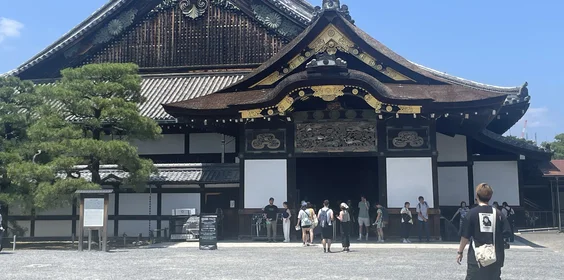
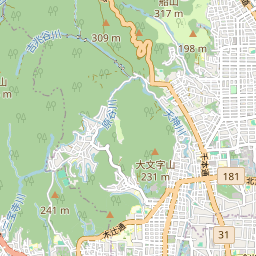
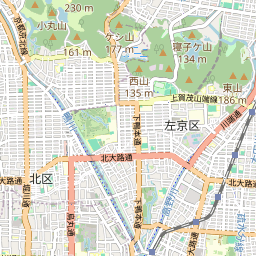
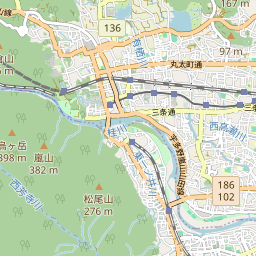
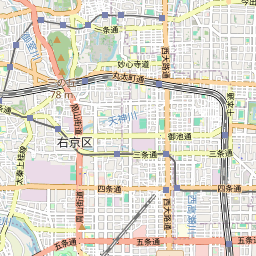
What will you find here?
-
Public area
Public transport
- railway
- bus
Sustainability status report
Topic 1: Destination Management 92%
- Visitor management: 5/5 100%
- Commitment and organization: 4/4 100%
- Design & development: 5/6 83%
- Monitoring and reporting: 3/4 75%
- Legal and ethical compliance: 2/2 100%
Topic 2: Nature and landscape 90%
- Nature and wildlife protection: 3/3 100%
- Nature and conservation: 4/5 80%
Topic 3: Environment and climate 64%
- Land use and pollution: 0/3 0%
- Water management: 1/5 20%
- Energy, sustainable mobility and climate change: 7/7 100%
- Adaptation to climate change: 2/2 100%
- Waste and recycling: 5/5 100%
Topic 4: Culture and traditions 100%
- Cultural heritage: 3/3 100%
- People and traditions: 4/4 100%
Topic 5: Social Welfare 97%
- Health and safety: 2/2 100%
- Local economy: 5/5 100%
- Socio-economic impacts: 2/2 100%
- Community participation: 4/4 100%
- Human dignity: 6/7 86%
Topic 6: Business and Communication 72%
- Business participation: 4/9 44%
- Information and marketing: 3/3 100%