-

Photo: Lőkösháza Önkormányzata -

Photo: Lőkösháza Önkormányzata -

-

Photo: Alföld Slow Egyesület -

Photo: Lőkösháza Önkormányzata


Lőkösháza
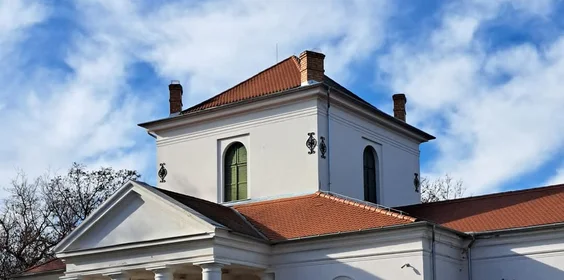
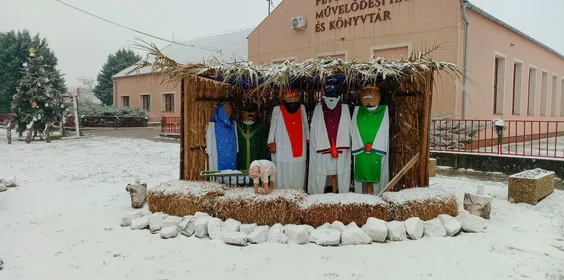
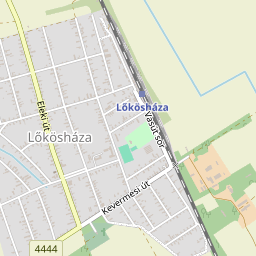
Lőkösháza is a gem of the southern Békés region, known not only for its agriculture but also for its historical landmarks. The most prominent of these is the Vásárhelyi-Bréda Mansion, built in 1810 in a classical style and beautifully restored in recent years. A unique feature of the mansion is the 3D light show projected onto its façade, a one-of-a-kind attraction in Central Europe. Though only a few trees remain from the original park, the restored building has become a unique tourist attraction. The village’s annual village day and the local fishing lake are popular destinations, while the Fatima Blessed Virgin Church, built in 2009, serves as the spiritual centre of the local Catholic community. Lőkösháza’s organised and tranquil atmosphere makes it an increasingly appealing destination for tourism.
Getting there and arrival
- Walk
- Bike
- Car
- Bus (rented for the trip)
- Railway
- Motorcycle
- Electric bicycle
Transport options in the destination
- Walk
- Bike
- Motorcycle
- Car
Sights, programs
All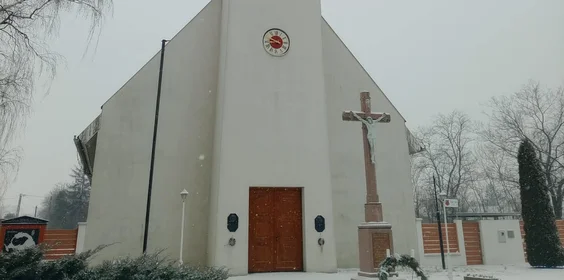
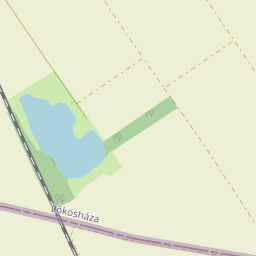
What will you find here?
-
Public area
-
Non-governmental organization
-
Event venues
Public transport
- bus
- railway
Parking information
- Free outdoor parking available
Sustainability status report
Topic 1: Destination Management 20%
- Visitor management: 2/5 40%
- Commitment and organization: 0/4 0%
- Design & development: 2/6 33%
- Monitoring and reporting: 1/4 25%
- Legal and ethical compliance: 0/2 0%
Topic 2: Nature and landscape 63%
- Nature and wildlife protection: 2/3 67%
- Nature and conservation: 3/5 60%
Topic 3: Environment and climate 35%
- Land use and pollution: 2/3 67%
- Water management: 1/5 20%
- Energy, sustainable mobility and climate change: 0/7 0%
- Adaptation to climate change: 1/2 50%
- Waste and recycling: 2/5 40%
Topic 4: Culture and traditions 42%
- Cultural heritage: 1/3 33%
- People and traditions: 2/4 50%
Topic 5: Social Welfare 22%
- Health and safety: 1/2 50%
- Local economy: 1/5 30%
- Socio-economic impacts: 0/2 0%
- Community participation: 0/4 0%
- Human dignity: 2/7 29%
Topic 6: Business and Communication 17%
- Business participation: 0/9 0%
- Information and marketing: 1/3 33%