Sümeg
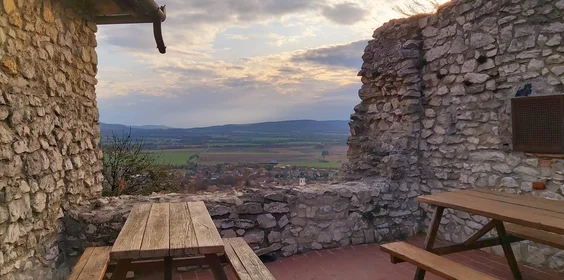
Sümeg a Balaton-felvidék nyugati szélén, a Tapolcai-medence síkságából hirtelen magasba törő mészkőszikla lábánál fekszik. A város sziluettjét az ország egyik legépebben maradt középkori vára határozza meg, amely méltóságteljesen őrzi a települést. Sümeg nemcsak katonai múltjáról híres, hanem a dunántúli barokk művészet egyik legfontosabb központja is, ahol a vallási örökség és a nemesi kultúra emlékei lépten-nyomon tetten érhetők. A város hangulata visszarepíti a látogatót az időben, miközben a Bakony közelsége friss levegőt és természetközeli kikapcsolódást ígér.
Történelem a sziklák felett: A püspöki székhely és erőd
Sümeg sorsa a tatárjárás után pecsételődött meg, amikor IV. Béla parancsára megkezdték a vár építését a stratégiailag kiemelkedő dombtetőn. A város aranykora a 16. században kezdődött, amikor Veszprém török kézre kerülése után a veszprémi püspökök ide helyezték át székhelyüket. Közel kétszáz évig Sümeg volt a régió egyházi és kulturális központja.
A 18. században Padányi Biró Márton püspök tevékenysége nyomán Sümeg igazi barokk ékszerré vált. Ő építtette a püspöki palotát és a plébániatemplomot, amelynek freskói miatt a várost a magyar Weimar néven is emlegették. Bár a vár a Rákóczi-szabadságharc után romlásnak indult, a 20. századi helyreállításoknak köszönhetően ma ismét régi fényében várja a történelem szerelmeseit.
Főbb látnivalók: Várak és freskók
Sümeg látnivalói a lovagi kort és a barokk pompát ötvözik:
- Sümegi Vár: Az ország egyik leglátogatottabb erődítménye, ahol várjátékok, lovagi tornák és középkori lakomák idézik meg a múltat.
- Püspöki Palota: A magyar barokk építészet kiemelkedő alkotása, amely ma interaktív kiállításoknak és művészeti tereknek ad otthont.
- Plébániatemplom (A magyar Sixtus-kápolna): Franz Anton Maulbertsch világhírű freskói díszítik, amelyek a késő barokk festészet legszebb hazai példái.
- Afrikárium: Egy egyedülálló vadászati és néprajzi gyűjtemény, amely Afrika élővilágát és kultúráját mutatja be a város szívében.
- Kisfaludy Sándor Szülőháza: A híres költő emlékmúzeuma a város irodalmi múltját és a Kisfaludy-huszárok emlékét őrzi.
Fenntarthatóság Sümegen: Értékmegőrzés és természetvédelem
- Örökségvédelem mint fenntarthatóság: A történelmi épületek folyamatos és szakszerű rehabilitációja a kulturális fenntarthatóság alapja, amely megőrzi a város identitását a jövő generációi számára.
- Geológiai értékek védelme: A Várhegy természetvédelmi terület, amelynek egyedi növényvilága és geológiai képződményei szigorú oltalom alatt állnak. A közeli tanösvények a természet tiszteletére nevelik a látogatókat.
- Helyi alapanyagok és rendezvények: A sümegi lovagi tornák és gasztronómiai események során nagy hangsúlyt fektetnek a környékbeli termelők boraira és ételeire, rövidítve az ellátási láncot és támogatva a helyi gazdaságot.
- Szelíd turizmus: Sümeg kiváló kiindulópontja a Bakonyi és Balaton-felvidéki kerékpáros és gyalogos túráknak, amelyek környezetbarát alternatívát kínálnak a régió felfedezéséhez.
Kérjük, látogatása során ügyeljen a műemlékek épségére, és használja a kijelölt túraútvonalakat, hogy Sümeg varázsa érintetlen maradjon.
Getting there and arrival
- Walk
- Bike
- Electric bicycle
- Railway
- Bus (rented for the trip)
- Motorcycle
- Car
Transport options in the destination
- Walk
- Bike
- Electric bicycle
- Public bus transportation
- Bus (rented for the trip)
- Motorcycle
- Car
Sights, programs
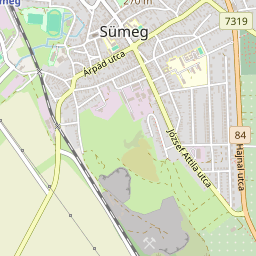
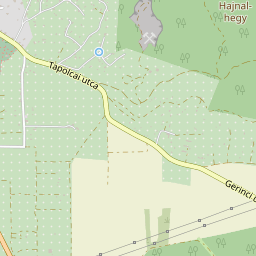
What will you find here?
-
Sights
Public transport
A közösségi közlekedést igénybe vevők számára a vasútállomás és az autóbusz-pályaudvar közvetlen elérést biztosít Tapolca, Veszprém és Zalaegerszeg irányából. Menetrendek: menetrendek.hu
- railway
- bus
Parking information
Sümeg parkolása a vár környékén és a belváros kijelölt területein szervezett formában, táblákkal jelzett módon történik. A pontos díjakról és a városi közlekedésről az önkormányzat oldalán tájékozódhat: sumeg.hu