-

Photo: Wikipédia -

Photo: Cazare Praid


Rapsonné's Castle
One of the most mysterious medieval ruins in Székely Land is located near Praid, on a steep, forest-covered hilltop. The remnants of the fortress known as Rapsonné's Castle are nestled among andesite rocks – moss-covered walls, sunken stones, and a man-made water reservoir tell the story of the fortress's former role. Although historical records suggest the castle was built in the 13th century and likely provided refuge for locals during the Mongol invasion, today it is the legends associated with it and its enchanting natural surroundings that make this place truly unique.

History and Architectural Features
Rapsonné's Castle was likely a small fortress with an inner tower, remnants of which can still be identified on the northern side. The castle was probably built as part of medieval border defences for protection, but it was abandoned after a short period of use. As there was no natural spring on the hilltop, a rainwater collection basin carved into the rock was created, which would have been essential for survival. The uniqueness of the ruins lies in this very aspect: the traces of the structure, blending almost seamlessly with its surroundings, hardly disrupt the natural rhythm of the forest.
Legends of Rapsonné
According to folklore, Rapsonné was a fairy woman or witch who used her supernatural powers to have her castle built atop the hill. Legend has it that instead of masons, a black cat and a rooster carried the building materials for the castle. Another tale suggests that Rapsonné's siblings built several nearby castles – such as Tartod and Budvár – and in the evenings, they would light candles in them simultaneously to stay in touch with each other.
Another famous legend tells of Rapsonné attending mass in Cluj-Napoca – but not in an ordinary way. She struck a deal with the devil to have a magical road built over the mountains all the way to the treasure city, where she would appear every Sunday in a splendid carriage. According to the tale, the devil demanded the gold of Parajd's mountain and the silver of the valley in return, but Rapsonné outwitted him: she had the road built but never handed over the treasures.
Rapsonné's Rose is a unique flower that, according to locals, blooms only around the castle and is said to have been planted by Rapsonné herself to keep the hill and her memory alive forever. The flower is small, pinkish in hue, and rarely blooms – those who see it are believed to be blessed with extraordinary luck. Some say the flower only reveals itself to those who approach the ruins quietly and respectfully.
Nature and Sustainable Visits
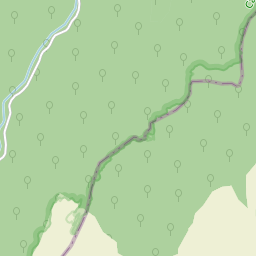
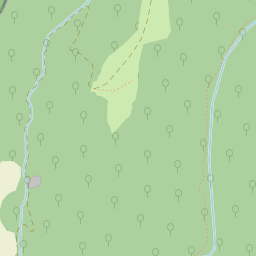
Rapsonné's Castle is located in a natural setting that exudes a special sense of peace and tranquillity. The trail leading up the pine-covered hillside – the legendary Rapsonné's Path – is accessible on foot but not by car. The hike is of moderate difficulty, but the sacred atmosphere of the place and the serenity of nature make every step worthwhile. There are no tourist centres, snack bars, or built infrastructure around the ruins – this is precisely what preserves its charm and untouched beauty.
Visitors can enjoy a truly nature-immersive experience during the hike, exploring traces of the past at their own pace. To ensure sustainable visits, it is important to stick to the designated paths and leave no trace behind – no litter, no noise. The wildlife around the ruins is sensitive, and early morning or twilight visits offer particularly rich bird songs, scents, and light.
Accessibility
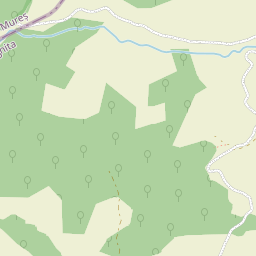
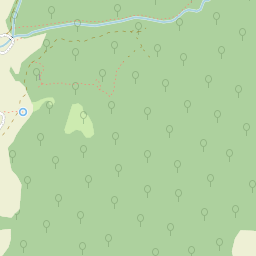
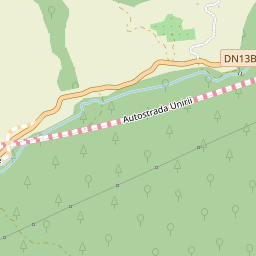
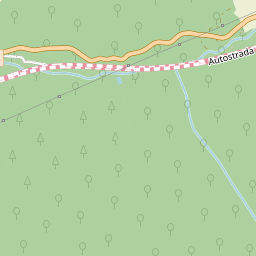
Rapsonné's Castle can be reached on foot from Parajd. The hike starts near the Parajd Reformed Church, following a forest trail uphill for approximately 3 km, with a moderately challenging walk. Part of the route follows the legendary Rapsonné's Path, a stone-paved, now overgrown trail – this leads to the rocky ridge of the castle. The hike takes about 2–2.5 hours round trip, and proper hiking shoes are recommended.
The site is not accessible by vehicle; the entire route must be completed on foot to protect the natural environment and the ruins. There are no signs, but the path is easy to follow with the help of locals or guides. The tranquillity and nature-immersive experience are guaranteed – the visit is not just a hike but also a kind of pilgrimage into the past and the realm of imagination.
- editorial content -
Target group
-
Class trips
-
Families with older children
-
Multigenerational programs
-
Friends
-
Couples