How is climate change reshaping our European travels?
In recent years, more and more of us have noticed that travelling is no longer quite the same as it used to be. Record-breaking hot summers, unexpected floods, wildfires, and a lack of snow on Alpine ski slopes – these issues not only make headlines but also influence our travel plans. A 2024 European study examined how climate change is shaping the future of tourism and how we perceive travel destinations, safety, and experiences.
The study analysed over 58,000 online posts and 266,000 guest reviews from the entirety of 2023, gathered from platforms like Google, Booking, and Tripadvisor. The aim was to understand what people are saying about climate change when discussing travel and how these opinions influence the perception of destinations.
More fears, more uncertainty
The findings reveal that climate change has become one of the most divisive topics in travel-related discussions. When it comes up, the general sentiment tends to turn more negative. The biggest concerns revolve around a loss of safety: will we be safe near a wildfire? Will it be bearable to sightsee in extreme heat? Could a programme be cancelled due to poor air quality or heavy rainfall?
For instance, during the summer of 2023, the wildfires raging on the Greek island of Rhodes caused significant panic among travellers. Similarly, prolonged heatwaves and droughts in the Mediterranean region had a comparable impact. Unsurprisingly, the research found that Greece, Italy, and Spain suffered the greatest reputational decline – not because they are any less beautiful, but because extreme weather directly affected visitors' safety and experiences.

Travellers are adapting
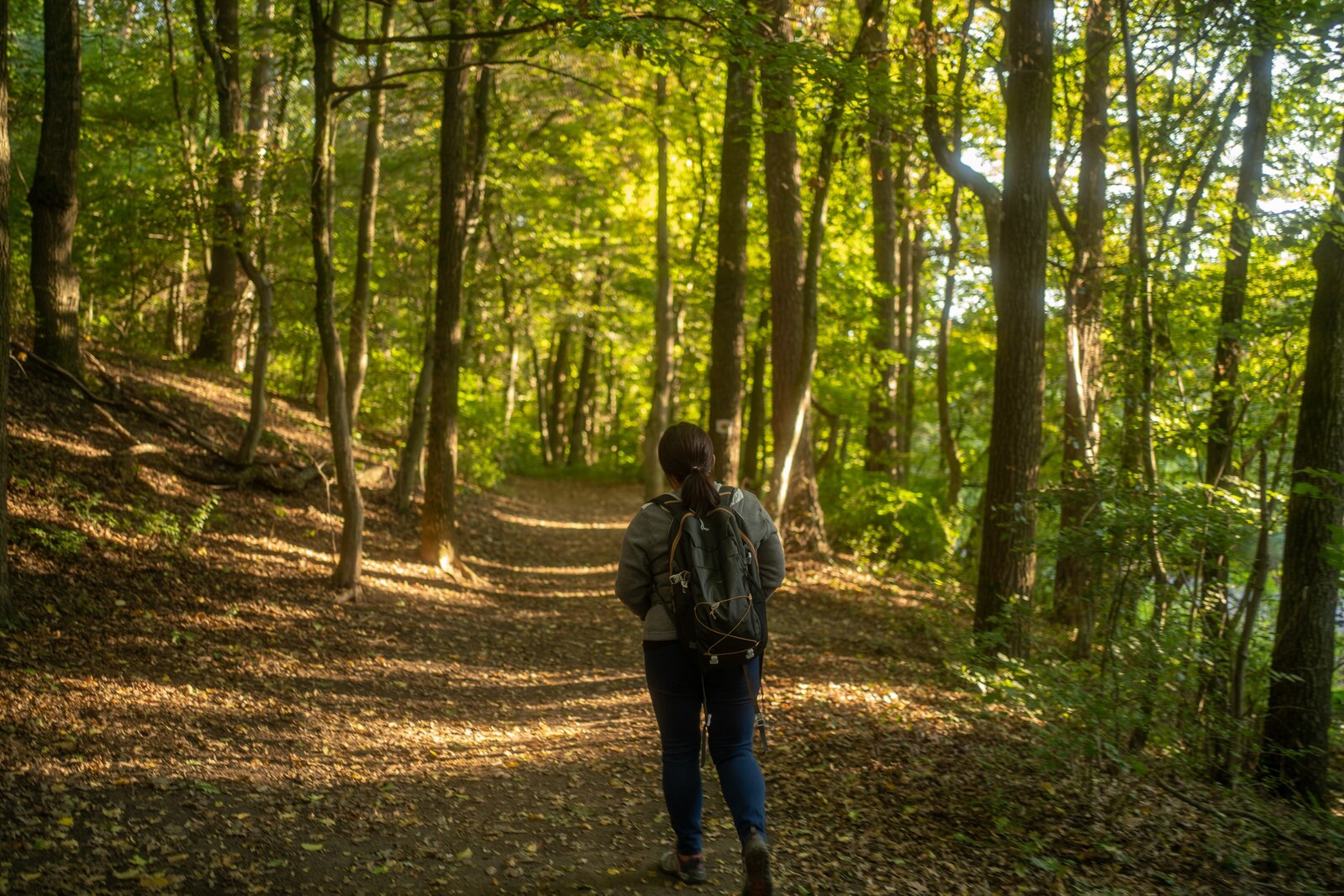
However, the changes are not only accompanied by fears but also by adaptation strategies. Many are beginning to realise that travelling in the height of summer is increasingly challenging, so they are opting for shoulder season months instead. Travelling in September or October now offers a more pleasant experience in many places compared to sightseeing in the scorching summer heat.
Additionally, there is growing interest in northern and mountainous regions: Scandinavia, Scotland, Finland, or the Albanian Alps are becoming increasingly attractive alternatives for those looking to escape the heat. Travellers are gradually shifting their focus from the classic "beach and sunshine" combination to cooler, more active experiences – hiking, exploring nature, or city visits in a more comfortable climate.

What really matters when choosing?
The research confirms that when making decisions about long-term travel, the most important factor remains safety. This is followed by adequate transport and tourism infrastructure, the richness of attractions, and affordability. Weather ranks "only" fifth – not because it is less important, but because the effects of climate change often manifest indirectly: for example, programmes may be cancelled, roads may become impassable, or water shortages may limit services.
In other words, what truly matters is not whether it rains a little or is hot, but whether the trip is feasible as an experience.

Travel and sustainability: guests are paying attention
One of the most interesting findings is that tourists are increasingly talking about sustainability. In 2023, there were three times as many guest mentions about eco-friendly practices compared to the previous year. The most frequently discussed topics include:
-
avoiding single-use plastics,
-
implementing energy-efficient solutions,
-
using local food products,
-
and offering green transport options.
Guests are particularly attentive to these aspects when it comes to accommodation, as this is where they spend the most time. However, criticisms are also strong: many reviewers feel that sustainability is sometimes just a marketing tool, not always backed by genuine quality.
Good examples, however, provide a significant reputational advantage. Destinations – particularly in Northern Europe – that consistently and visibly integrate sustainability into their daily operations receive positive feedback.

Where is European tourism heading?
The research highlights three key trends for the future:
-
Shifting seasonality – Spring and autumn are gaining prominence over the summer peak.
-
Transformation of tourism products – For example, in mountainous regions, hiking and active tourism are partially replacing skiing.
-
Emergence of new destinations – Places previously less sought after due to weather conditions are becoming more attractive.
The most important takeaway, however, is that climate change does not necessarily "take away" the joy of travel – it rather reshapes it. The most successful destinations will be those that can ensure visitor safety, adapt flexibly to weather challenges, and authentically demonstrate sustainable practices.

What can we do as travellers?
We, as travellers, are also part of this change. By making conscious decisions – such as travelling off-season, choosing eco-friendly transport, and supporting local providers – we can not only enhance our own experiences but also contribute to helping European tourism adapt to the challenges of climate change.
The future of travel does not necessarily mean less travel – but rather smarter, more conscious, and sustainable exploration.

The study is available here: https://etc-corporate.org/uploads/2024/06/2024-ETC_Travelsat_Special-Report-on-Climate-Change.pdf
More News
All-
6 Mins
Read -
4 Mins

Read -
5 Mins

Read -
6 Mins

Read -
5 Mins

Read -
3 Mins

Read -
7 Mins

Read -
7 Mins

Read -
6 Mins

Read -
6 Mins

Read -
3 Mins

Read -
3 Mins

Read -
10 Mins

Read -
5 Mins

Read -
6 Mins

Read -
4 Mins

Read -
5 Mins

Read -
4 Mins

Read -
6 Mins

Read -
7 Mins

Read -
5 Mins

Read -
4 Mins

Read -
4 Mins

Read -
4 Mins

Read -
4 Mins

Read -
6 Mins

Read -
3 Mins

Read -
1 Mins

Read -
2 Mins

Read -
2 Mins

Read -
3 Mins

Read -
3 Mins

Read