-

Foto: Gazsó János -

Foto: Gazsó János -

Foto: Gazsó János -

Foto: Gazsó János -

Foto: Gazsó János


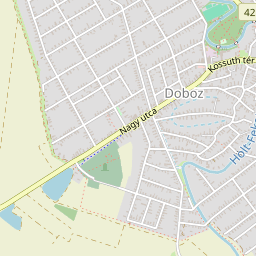
Doboz
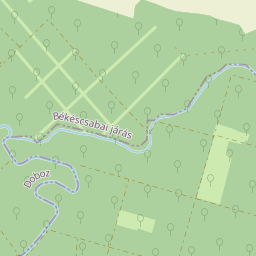
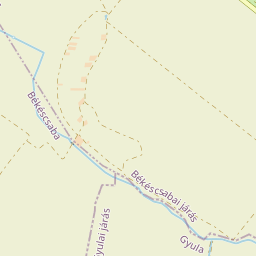
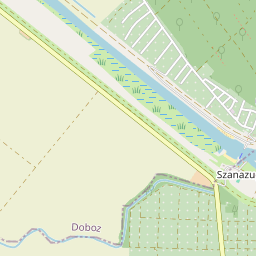
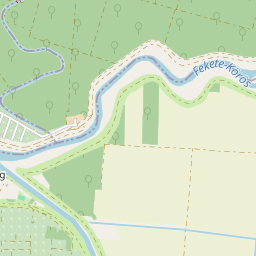
One of the oldest settlements in Békés County, Doboz is located near the confluence of the Kettős-Körös and Sebes-Körös rivers, surrounded by picturesque scenery. The village was first mentioned in 1075 and has a rich history, beginning as a royal estate and later passing through the hands of various noble families. The name Doboz is derived from the Slavic word "dub," meaning oak, referring to the once vast oak forests in the area. One of its most famous buildings is the Wenckheim Mansion, designed by Miklós Ybl in the latter half of the 19th century, now serving as an elementary school. In addition to its historical attractions, Doboz is known for its natural beauty, with the Körös Riverside resort area of Szanazug offering a peaceful setting for relaxation. The village’s vibrant cultural life is highlighted by events like the Doboz Honey Festival and the Horse Driving Memorial Competition, which attract visitors from near and far.
Anreise
- Zu Fuß
- Mit dem Fahrrad
- Mit dem Bus (für die Reise gemietet)
- Mit dem Auto
- Paddeln (Kajak, Kanu, Boot)
- Mit dem Motorrad
- Mit dem Elektrofahrrad
Ankunft
- Zu Fuß
- Mit einem Pferd
- Mit dem Fahrrad
- Mit dem Bus (für die Reise gemietet)
- Mit dem Auto
- Mit dem Motorrad
- Mit dem Elektrofahrrad
- Paddeln (Kajak, Kanu, Boot)
Attraktionen, Programme
Alle


Was finden Sie hier?
-
-
Skulptur des Flöte spielenden Hirten
Dobozi Wenckheim Schloss
Reformierte Kirche von Doboz
Wenckheim Schlosspark
Katholische Kirche und Krypta der Erhöhung des Heiligen Kreuzes
Von Miklós Ybl entworfenes Getreidespeichergebäude
Széchy Tamás Gedenkhaus, Heimatkundliche Sammlung und Kreativhaus
Samsons Burg
Öffentliche Verkehrsmittel
- Bus
Parkinformationen
- Kostenlose Parkplätze im Freien verfügbar
- Kostenlose Busparkplätze vorhanden
Nachhaltigkeitsstatusbericht
Thema 1: Reisezielmanagement 69 %
- Besuchermanagement: 5/5 100 %
- Engagement und Organisation: 2/4 62 %
- Design und Entwicklung: 5/6 83 %
- Überwachung und Berichterstattung: 2/4 50 %
- Rechtliche und ethische Konformität: 1/2 50 %
Thema 2: Natur und Landschaft 48 %
- Schutz von Natur und Tierwelt: 0/3 17 %
- Natur und Naturschutz: 4/5 80 %
Thema 3: Umwelt und Klima 65 %
- Landnutzung und Verschmutzung: 2/3 83 %
- Wassermanagement: 3/5 70 %
- Energie, nachhaltige Mobilität und Klimawandel: 3/7 43 %
- Anpassung an den Klimawandel: 1/2 50 %
- Abfall und Recycling: 4/5 80 %
Thema 4: Kultur und Traditionen 67 %
- Kulturelles Erbe: 1/3 33 %
- Menschen und Traditionen: 4/4 100 %
Thema 5: Soziales Wohlergehen 58 %
- Gesundheit und Sicherheit: 1/2 50 %
- Lokale Wirtschaft: 3/5 70 %
- Sozioökonomische Auswirkungen: 0/2 0 %
- Beteiligung der Bevölkerung: 4/4 100 %
- Menschenwürde: 5/7 71 %
Thema 6: Unternehmen und Kommunikation 22 %
- Unternehmensbeteiligung: 4/9 44 %
- Information und Marketing: 0/3 0 %