-

-

-

Foto: Alföld Slow - Szőke Tünde -

Foto: Gazsó János -

Foto: Gazsó János


Alföld Slow
The Alföld Slow destination invites visitors with the idyllic beauty and unique tranquility of the Békés region. This area uniquely combines natural values, cultural treasures, and the philosophy of sustainable tourism. The distinctiveness of Alföld Slow lies in the collaborative effort of 27 towns and villages to promote slower, experience-centered travel, where close-to-nature experiences and human connections take center stage.
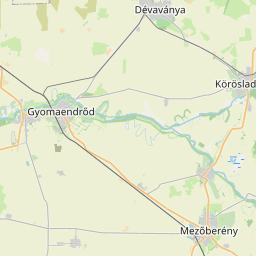
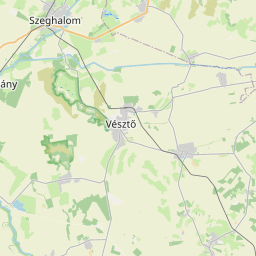
The winding course of the Körös River and its picturesque surroundings offer active recreation opportunities for lovers of water tourism, whether it’s canoeing, fishing, or simply relaxing by the riverside. Gyula, the crown jewel of the destination, guarantees unforgettable experiences with its renowned thermal spa and historical landmarks, such as its castle and the famous Gyula sausage. For culture enthusiasts, Gyomaendrőd, Vésztő, Újkígyós, and Békés provide rich programs, showcasing traditions and local values.
The flat landscape of the Alföld Slow region is particularly favorable for cycling tourism. Low-traffic secondary roads and unspoiled nature create ideal conditions for bike tours, enhanced by stops featuring local gastronomic specialties and friendly hospitality. The ease of moving between settlements allows visitors to explore the area in a personalized way, whether seeking active recreation or quiet contemplation amidst nature.
Alföld Slow is a true refuge from the hustle and bustle of everyday life, where the slower pace serves not only as a form of relaxation but also as a tool for improving quality of life. Time spent here recharges your energy, soothes the soul, and brings you closer to both nature and yourself.
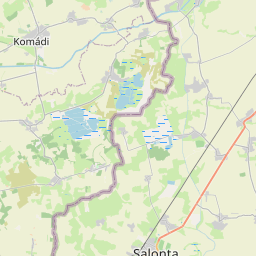
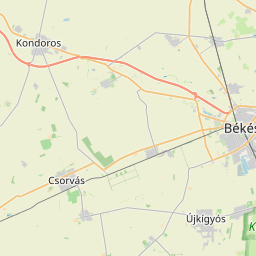
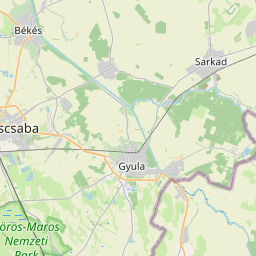
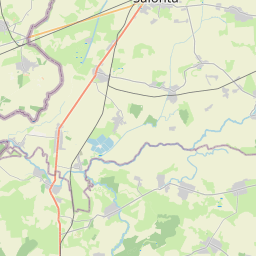
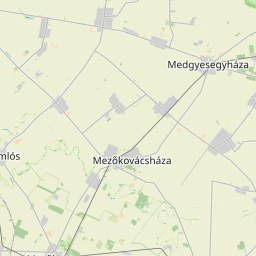
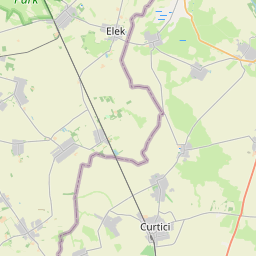
Currently, Alföld Slow connects 27 towns and villages in Békés County: Almáskamarás, Békés, Békéssámson, Biharugra, Csabaszabadi, Csanádapáca, Ecsegfalva, Elek, Csorvás, Doboz, Gádoros, Gyomaendrőd, Gyula, Kamut, Kardoskút, Kevermes, Kétegyháza, Kondoros, Kunágota, Lőkösháza, Magyardombegyház, Méhkerék, Mezőkovácsháza, Nagykamarás, Sarkad, Újkígyós, and Vésztő.
Anreise
- Zu Fuß
- Mit einem Pferd
- Paddeln (Kajak, Kanu, Boot)
- Mit dem Fahrrad
- Mit dem Elektrofahrrad
- Mit dem Bus (für die Reise gemietet)
- Mit dem Zug
- Mit dem Motorrad
- Mit dem Auto
Ankunft
- Zu Fuß
- Mit einem Pferd
- Paddeln (Kajak, Kanu, Boot)
- Mit dem Fahrrad
- Mit dem Elektrofahrrad
- Mit dem öffentlichen Bus
- Mit dem Bus (für die Reise gemietet)
- Mit dem Motorrad
- Mit dem Auto
Attraktionen, Programme
Alle
Unterkünfte

Was finden Sie hier?
-
Lokale Produkte
-
Unterkünfte
-
Veranstaltungsorte
-
Essen/Catering
-
-
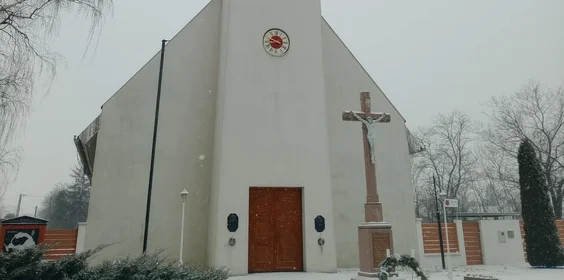
Kirche der Heiligen Jungfrau von Fatima und ihre bemalten Holztafeln, Lőkösháza
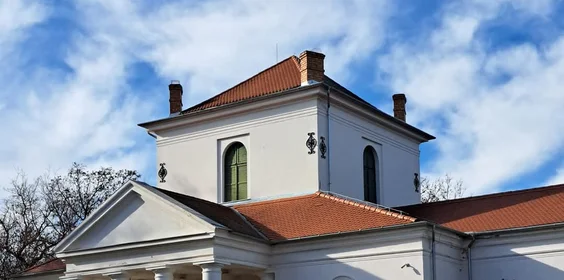
Schloss Bréda in Vásárhely
Gyomaendrőder Liget Heilbad und Campingplatz
Dorfmuseum, Biharugra
Skulptur des Flöte spielenden Hirten
Dobozi Wenckheim Schloss
Reformierte Kirche von Doboz
Corvus-Kora Róbert
Ausstellung von Zuckergestecken von Károlyné Kovács
József Kotroczó Dioramensammlung
Szabó Pál Literaturgedenkhaus
Heimatmuseum
Wenckheim Schlosspark
Katholische Kirche und Krypta der Erhöhung des Heiligen Kreuzes
Von Miklós Ybl entworfenes Getreidespeichergebäude
Széchy Tamás Gedenkhaus, Heimatkundliche Sammlung und Kreativhaus
Samsons Burg
Öffentliche Verkehrsmittel
- Bus
- Eisenbahn
Parkinformationen
- Kostenlose Parkplätze im Freien verfügbar
- Kostenpflichtige Parkplätze vorhanden
- Kostenlose Busparkplätze vorhanden
- Kostenpflichtige Busparkplätze vorhanden
Nachhaltigkeitsstatusbericht
Thema 1: Reisezielmanagement 56 %
- Besuchermanagement: 2/5 50 %
- Engagement und Organisation: 2/4 62 %
- Design und Entwicklung: 4/6 67 %
- Überwachung und Berichterstattung: 2/4 50 %
- Rechtliche und ethische Konformität: 1/2 50 %
Thema 2: Natur und Landschaft 73 %
- Schutz von Natur und Tierwelt: 2/3 67 %
- Natur und Naturschutz: 4/5 80 %
Thema 3: Umwelt und Klima 35 %
- Landnutzung und Verschmutzung: 0/3 17 %
- Wassermanagement: 2/5 40 %
- Energie, nachhaltige Mobilität und Klimawandel: 0/7 0 %
- Anpassung an den Klimawandel: 2/2 100 %
- Abfall und Recycling: 1/5 20 %
Thema 4: Kultur und Traditionen 42 %
- Kulturelles Erbe: 1/3 33 %
- Menschen und Traditionen: 2/4 50 %
Thema 5: Soziales Wohlergehen 45 %
- Gesundheit und Sicherheit: 1/2 50 %
- Lokale Wirtschaft: 1/5 30 %
- Sozioökonomische Auswirkungen: 1/2 50 %
- Beteiligung der Bevölkerung: 1/4 25 %
- Menschenwürde: 5/7 71 %
Thema 6: Unternehmen und Kommunikation 33 %
- Unternehmensbeteiligung: 0/9 0 %
- Information und Marketing: 2/3 67 %