-

Foto: Innotime -

Foto: Innotime -

Foto: Innotime -

Foto: Innotime -
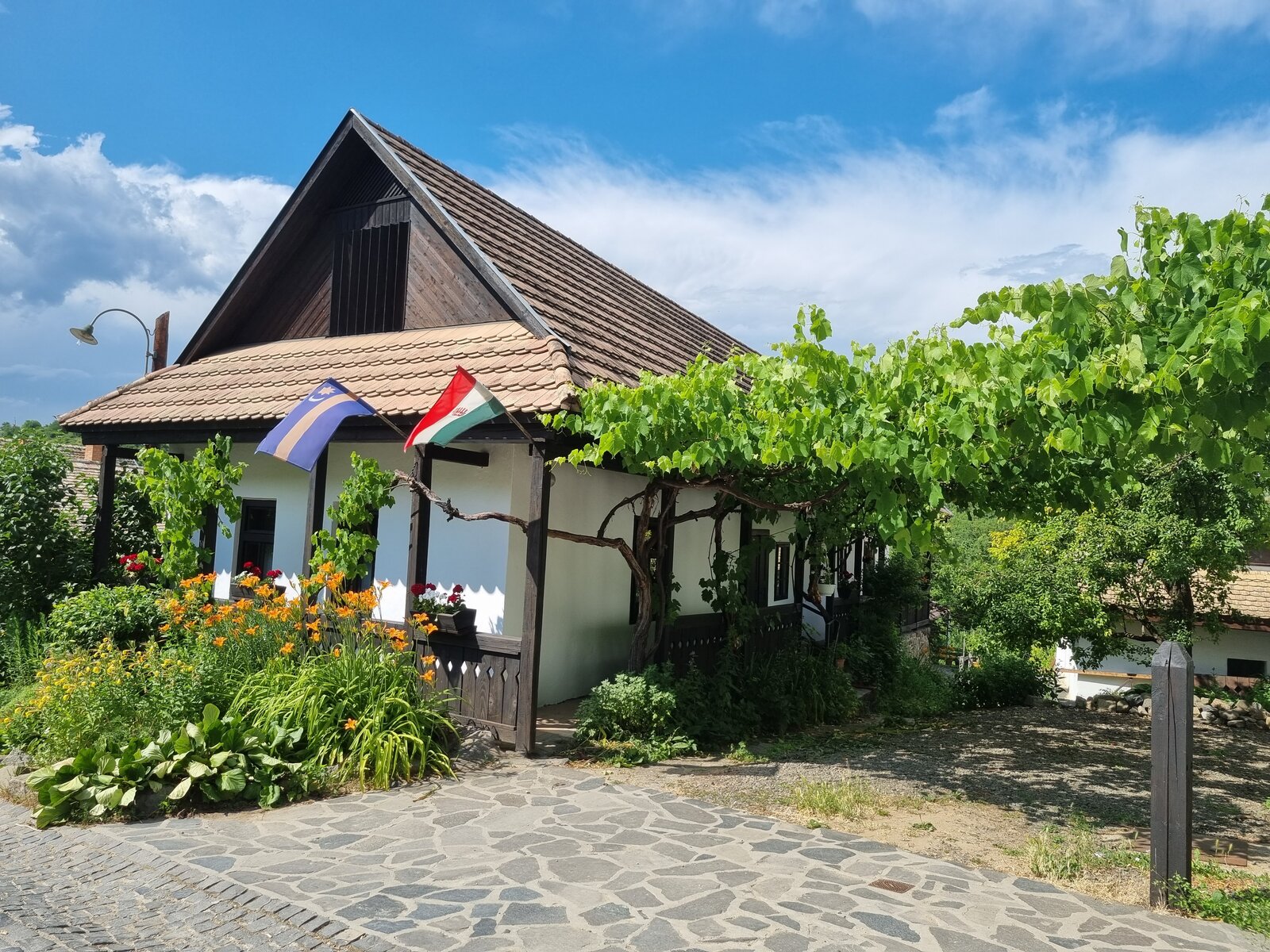
Foto: Innotime


Hollókő
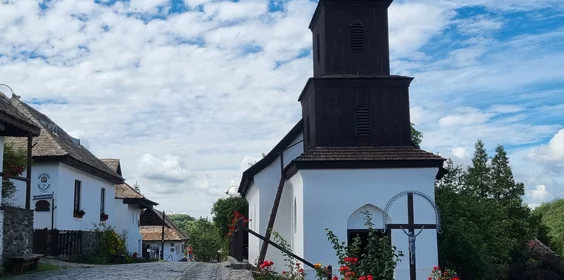
Hollókő, a small village with a population of 380, is located just an hour's drive from Budapest and is part of the UNESCO World Heritage list. A large black raven along the road marks the turn-off to the village. From there, the road leads straight to the heart of this cul-de-sac village. At its center stands the wooden-towered, shingle-roofed Catholic church, a symbol of the village, whose history dates back to 1889. Surrounding it are narrow plots of land lined with whitewashed, porch-fronted Palóc-style peasant houses featuring wooden railings and hipped roofs. These homes were rebuilt in their current form after a fire in 1909 and today house artisan workshops, museums, and exhibition spaces. Visitors can try pottery or weaving, and some of the houses even serve as guest accommodations, furnished with original furniture.
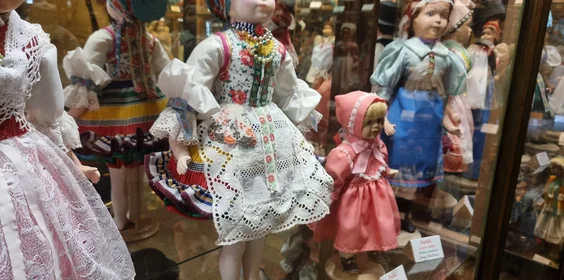
Guests at the village’s guesthouses are often welcomed by local families or elderly residents who share their stories and invite them to their tables to taste authentic Palóc dishes, such as the traditional Palóc soup, potato pancakes, or cornmeal cake. The village also hosts regular events tied to folk traditions, during which locals proudly don their famous Palóc folk costumes. Such occasions provide visitors with the opportunity to become part of the tight-knit community, even if only for a short time.
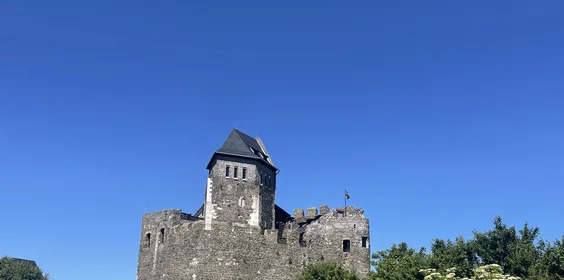
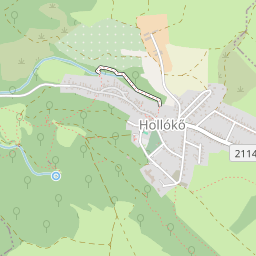
Hollókő is surrounded by pastures and the 141-hectare Hollókő Protected Landscape Area, a favorite spot for jogging and peaceful walks. The area offers numerous hiking opportunities, including the Hollókő Stream Valley, which hides intriguing heritage sites such as washing ponds, hemp-retting pools, and the remains of a rustic bathhouse, all evoking the everyday lives of past villagers. The castle overlooking the village, standing since the 13th century, also played a significant role in the area’s history, and the village's name is linked to a legend surrounding it.
The Old Village (Ófalu) with its 67 protected, fairy-tale-like houses was added to the UNESCO World Heritage list in 1987, making Hollókő the first Hungarian site to earn this designation and the first village in the world to receive this recognition. Spending a few days in Hollókő is not just a retreat but a way of life. In winter, the crunch of snow underfoot; in spring, the vibrant colors of awakening nature; in summer, the starry skies and chirping crickets; and in autumn, the scent of woodsmoke rising into the crisp evening air, along with the peace and sounds of nature, all make life here extraordinarily beautiful. Adding to this charm is the warm hospitality of the locals, which ensures that visitors, both young and old, often find themselves longing to return to this tranquil village.
Anreise
- Zu Fuß
- Mit einem Pferd
- Mit dem Fahrrad
- Mit dem Elektrofahrrad
- Mit dem Bus (für die Reise gemietet)
- Mit dem Motorrad
- Mit dem Auto
Ankunft
- Zu Fuß
- Mit einem Pferd
- Mit dem Fahrrad
- Mit dem Elektrofahrrad
Attraktionen, Programme
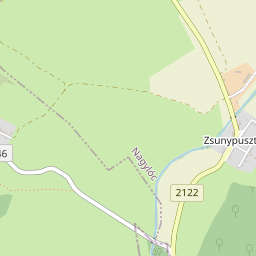
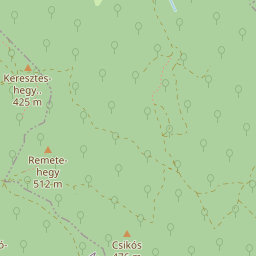
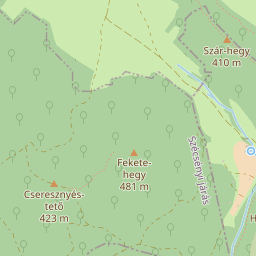
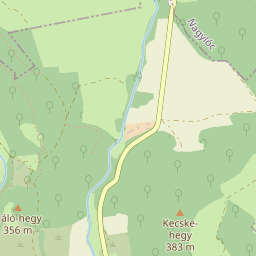
Was finden Sie hier?
-
Sehenswürdigkeiten
Routen mit diesem Reiseziel

Öffentliche Verkehrsmittel
- Bus
Parkinformationen
- Kostenpflichtige Parkplätze vorhanden
- Kostenpflichtige Busparkplätze vorhanden
Nachhaltigkeitsstatusbericht
Thema 1: Reisezielmanagement 52 %
- Besuchermanagement: 5/5 100 %
- Engagement und Organisation: 1/4 50 %
- Design und Entwicklung: 2/6 33 %
- Überwachung und Berichterstattung: 1/4 25 %
- Rechtliche und ethische Konformität: 1/2 50 %
Thema 2: Natur und Landschaft 77 %
- Schutz von Natur und Tierwelt: 2/3 83 %
- Natur und Naturschutz: 3/5 70 %
Thema 3: Umwelt und Klima 33 %
- Landnutzung und Verschmutzung: 0/3 17 %
- Wassermanagement: 2/5 40 %
- Energie, nachhaltige Mobilität und Klimawandel: 0/7 0 %
- Anpassung an den Klimawandel: 1/2 50 %
- Abfall und Recycling: 3/5 60 %
Thema 4: Kultur und Traditionen 100 %
- Kulturelles Erbe: 3/3 100 %
- Menschen und Traditionen: 4/4 100 %
Thema 5: Soziales Wohlergehen 71 %
- Gesundheit und Sicherheit: 1/2 50 %
- Lokale Wirtschaft: 3/5 70 %
- Sozioökonomische Auswirkungen: 2/2 100 %
- Beteiligung der Bevölkerung: 2/4 50 %
- Menschenwürde: 6/7 86 %
Thema 6: Unternehmen und Kommunikation 56 %
- Unternehmensbeteiligung: 1/9 11 %
- Information und Marketing: 3/3 100 %