-

Photo: Innotime -

Photo: Innotime -

Photo: Innotime -

Photo: Innotime -
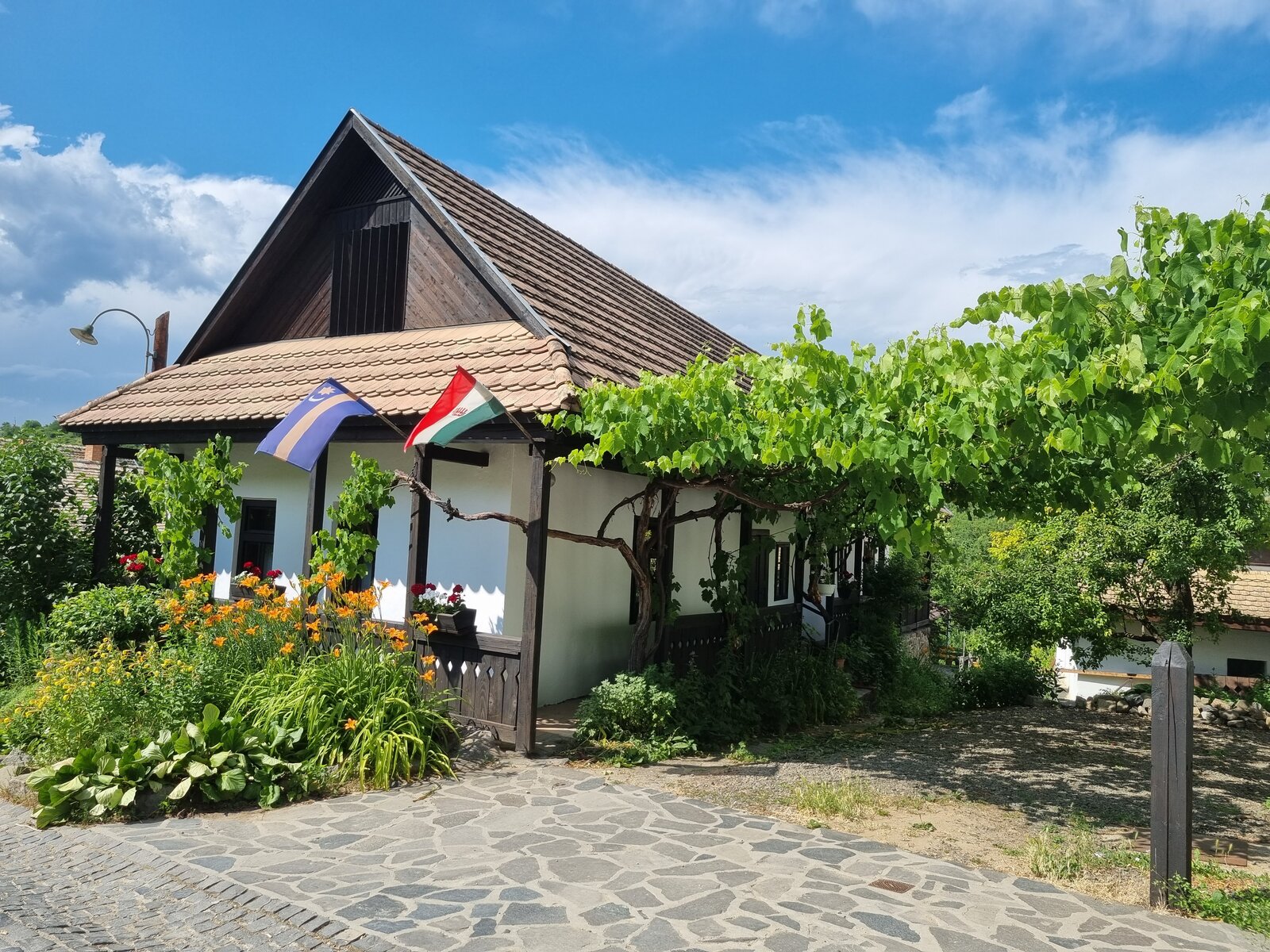
Photo: Innotime


Hollókő
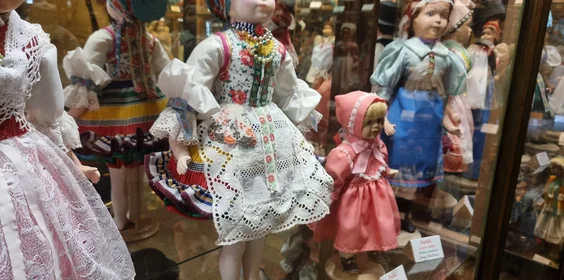
Hollókő, a small village with a population of 380, is located just an hour's drive from Budapest and is part of the UNESCO World Heritage list. A large black raven along the road marks the turn-off to the village. From there, the road leads straight to the heart of this cul-de-sac village. At its center stands the wooden-towered, shingle-roofed Catholic church, a symbol of the village, whose history dates back to 1889. Surrounding it are narrow plots of land lined with whitewashed, porch-fronted Palóc-style peasant houses featuring wooden railings and hipped roofs. These homes were rebuilt in their current form after a fire in 1909 and today house artisan workshops, museums, and exhibition spaces. Visitors can try pottery or weaving, and some of the houses even serve as guest accommodations, furnished with original furniture.
Guests at the village’s guesthouses are often welcomed by local families or elderly residents who share their stories and invite them to their tables to taste authentic Palóc dishes, such as the traditional Palóc soup, potato pancakes, or cornmeal cake. The village also hosts regular events tied to folk traditions, during which locals proudly don their famous Palóc folk costumes. Such occasions provide visitors with the opportunity to become part of the tight-knit community, even if only for a short time.
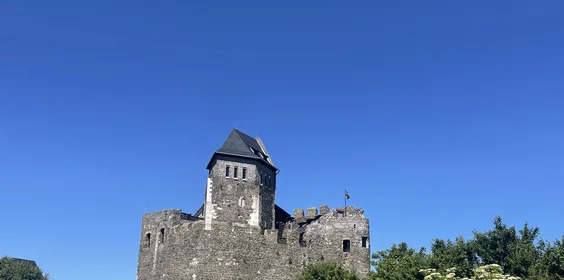
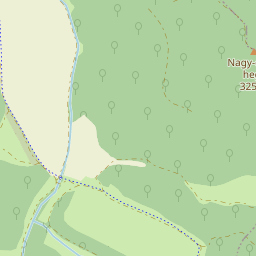
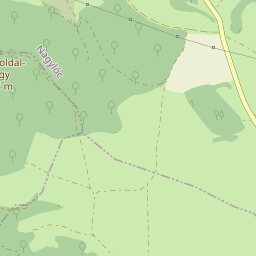
Hollókő is surrounded by pastures and the 141-hectare Hollókő Protected Landscape Area, a favorite spot for jogging and peaceful walks. The area offers numerous hiking opportunities, including the Hollókő Stream Valley, which hides intriguing heritage sites such as washing ponds, hemp-retting pools, and the remains of a rustic bathhouse, all evoking the everyday lives of past villagers. The castle overlooking the village, standing since the 13th century, also played a significant role in the area’s history, and the village's name is linked to a legend surrounding it.
The Old Village (Ófalu) with its 67 protected, fairy-tale-like houses was added to the UNESCO World Heritage list in 1987, making Hollókő the first Hungarian site to earn this designation and the first village in the world to receive this recognition. Spending a few days in Hollókő is not just a retreat but a way of life. In winter, the crunch of snow underfoot; in spring, the vibrant colors of awakening nature; in summer, the starry skies and chirping crickets; and in autumn, the scent of woodsmoke rising into the crisp evening air, along with the peace and sounds of nature, all make life here extraordinarily beautiful. Adding to this charm is the warm hospitality of the locals, which ensures that visitors, both young and old, often find themselves longing to return to this tranquil village.
Accès
- Marche
- Cheval
- Vélo
- Vélo électrique
- Autobus (loué pour le voyage)
- Moto
- Voiture
Arrivée
- Marche
- Cheval
- Vélo
- Vélo électrique
Sites touristiques, programmes
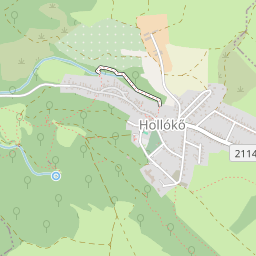
Que trouverez-vous ici ?
-
Sites touristiques
Itinéraires incluant cette destination

Transports en commun
- bus
Informations sur le stationnement
- Parking payant disponible
- Parking payant pour autobus disponible
Thème 1 : Gestion de la destination 52 %
- Gestion des visiteurs: 5/5 100 %
- Engagement et organisation: 1/4 50 %
- Conception et développement: 2/6 33 %
- Suivi et rapports: 1/4 25 %
- Conformité légale et éthique: 1/2 50 %
Thème 2 : Nature et paysage 77 %
- Protection de la nature et de la faune sauvage: 2/3 83 %
- Nature et conservation: 3/5 70 %
Thème 3 : Environnement et climat 33 %
- Utilisation des sols et pollution: 0/3 17 %
- Gestion de l'eau: 2/5 40 %
- Énergie, mobilité durable et changement climatique: 0/7 0 %
- Adaptation au changement climatique: 1/2 50 %
- Déchets et recyclage: 3/5 60 %
Thème 4 : Culture et traditions 100 %
- Patrimoine culturel: 3/3 100 %
- Personnes et traditions: 4/4 100 %
Thème 5 : Bien-être social 71 %
- Santé et sécurité: 1/2 50 %
- Économie locale: 3/5 70 %
- Impacts socio-économiques: 2/2 100 %
- Participation communautaire: 2/4 50 %
- Dignité humaine: 6/7 86 %
Thème 6 : Affaires et communication 56 %
- Participation des entreprises: 1/9 11 %
- Information et marketing: 3/3 100 %