Ischia szigete
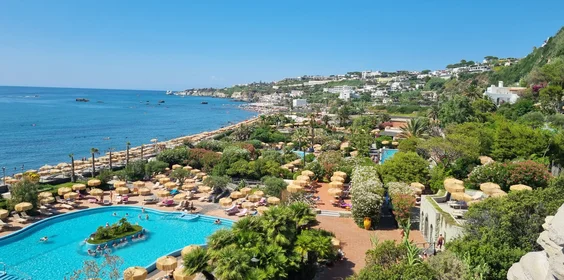
Ischia a Nápolyi-öböl egyik legkülönlegesebb szigete: egyszerre tengerparti üdülőhely, vulkanikus táj, termálparadicsom és élő mediterrán településhálózat. A sziget hangulata sokaknak azonnal „olaszos” képet ad: szűk utcák, citromligetek, halászcsónakok, panorámás teraszok és egy olyan természetes adottság, amely kevés helyen ennyire érezhető a mindennapokban – a földből feltörő meleg víz és gőz.
Történelem röviden: erőd, kereskedelem, gyógykultúra
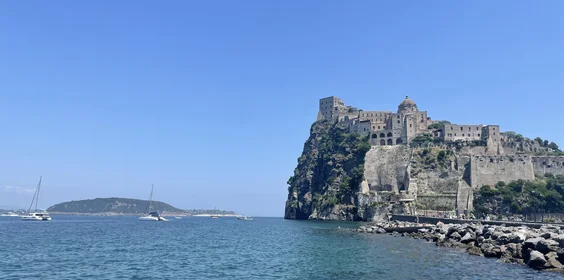
Ischia története régi, és több korszak rétegei egymásra épülnek. A sziget stratégiai fekvése miatt mindig is fontos volt a térség tengeri útvonalain; ennek emléke a part menti települések szerkezete, a kikötők, valamint a védelmi pontok. A legismertebb történelmi jelképe a Castello Aragonese, amely évszázadokon át védelmi és hatalmi központként is funkcionált, és ma a sziget egyik leglátványosabb kulturális attrakciója. A történelem másik nagy öröksége a gyógy- és fürdőkultúra: a termálforrások használata évszázadok óta része a helyi életnek, és a modern turizmusban is alapvető szerepet játszik.
Turizmus: miért jönnek Ischiára?
Ischia turisztikai vonzereje több pilléren áll, ezért jól működik rövid hétvégi utazásként és hosszabb, pihenős nyaralásként is. A legtöbben a termálélmény, a tengerpart, a hangulatos települések és a könnyen bejárható látnivalók miatt választják. A sziget erőssége, hogy a klasszikus „strandolós” nyár mellett vállszezonban is erős: tavasszal és ősszel ideális a kirándulás, a városnézés, a gasztronómia és a termálprogramok.
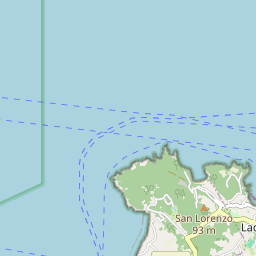
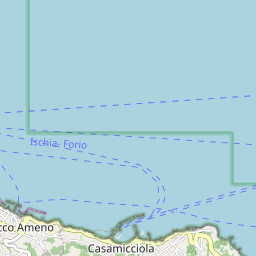
A sziget több településből áll, mindegyiknek saját karaktere van. Ischia (város) a fő érkezési és városi központ két arccal (Porto és Ponte), Forio nyüzsgőbb, naplementés, tengerparti hangulattal, Lacco Ameno elegánsabb, nyugodtabb arcot mutat, Casamicciola Terme név szerint is a termálhoz kötődik, Serrara Fontana pedig magasabban fekvő, panorámás, természetközelibb élményt kínál. Ez a sokféleség segít abban, hogy mindenki megtalálja a saját tempóját: lehet aktív, felfedezős vagy kifejezetten pihenős utazás.
Látnivalók és élmények: a „kötelezőktől” a rejtettekig
Ischián a leglátványosabb programok közé tartozik a Castello Aragonese felkeresése: a vár nemcsak történelmi helyszín, hanem az egyik legjobb panorámapont is. A sziget igazi különlegességei azonban sokszor a természet és a termál találkozásából születnek. A termálparkok és gyógyfürdők mellett több helyen a tenger közelében is érezhető a meleg vizes hatás, ami egészen egyedi „sziget-élményt” ad.
Aki szereti a sétákat és kilátásokat, annak Ischia egyik legjobb arca a vulkanikus domborzat: rövidebb és hosszabb túraútvonalak is vannak, amelyek falvakat, szőlő- és citromkerteket, valamint kilátópontokat kapcsolnak össze. A sziget kulturális élményei a templomok, kisebb múzeumok, helyi fesztiválok és a települések esti élete felől jönnek: egy jó vacsora, tengerparti séta és egy panorámás terasz sokszor ugyanannyira „program”, mint egy konkrét attrakció.
Gasztronómia: helyi ízek, egyszerűen jól
Ischia konyhája mediterrán és földközeli: tengeri alapanyagok, zöldségek, citrusok, olívaolaj, könnyed tészták és helyi borok. A sziget erőssége, hogy a gasztronómia nem feltétlenül „fine dining”, hanem inkább őszinte, szezonális és hangulatos. Ha helyi élményt keresel, érdemes a kevésbé turistás utcákban is körülnézni, és olyan helyet választani, ahol a konyha a szezonhoz igazodik.
Fenntarthatóság: hogyan lehet Ischiát kímélve felfedezni?
Ischia szigetén a fenntarthatóság a gyakorlatban leginkább a terhelés csökkentéséről és a helyi erőforrások tiszteletéről szól. Látogatóként sokat számít, ha a szigetet gyalogosan és helyi közlekedéssel fedezed fel, és nem autóval próbálsz „mindenhová beállni” – a települések kompaktak, a fő pontok között gyakran logikusabb a busz, a séta vagy a taxi-boat, mint a parkolóvadászat. A csúcsidőszakban különösen értékes döntés a vállszezon választása, mert ilyenkor a zsúfoltság kisebb, a helyieknek is élhetőbb, a látogatónak pedig nyugodtabb az élmény.
A termálhelyszíneknél és strandokon érdemes tudatosan viselkedni: kevesebb egyszer használatos műanyag, saját kulacs, a hulladék visszavitele vagy szelektálása, valamint a természetes élőhelyek tisztelete (kijelölt ösvények, növényzet kímélése). A fenntartható utazás másik kulcsa a helyi gazdaság támogatása: helyi szállások, családi vendéglők, kisvállalkozások, helyben készült termékek választása. Ezek a döntések nemcsak környezeti szempontból kedvezőbbek, hanem hitelesebb ischiai élményt is adnak.
- szerkesztőségi tartalom -
Getting there and arrival
- Boat (sailboat, motorboat)
- Bike
- Electric bicycle
- Ship
- Bus (rented for the trip)
- Motorcycle
- Car
Transport options in the destination
- Walk
- Bike
- Electric bicycle
- Public bus transportation
- Boat (sailboat, motorboat)
- Motorcycle
- Car
Sights, programs
What will you find here?
Public transport
- ship
- bus