-

Photo: Fotó: Kovács Dániel -

Photo: Fotó: Kovács Dániel -

Photo: Fotó: Kovács Dániel -

Photo: Fotó: Kovács Dániel -
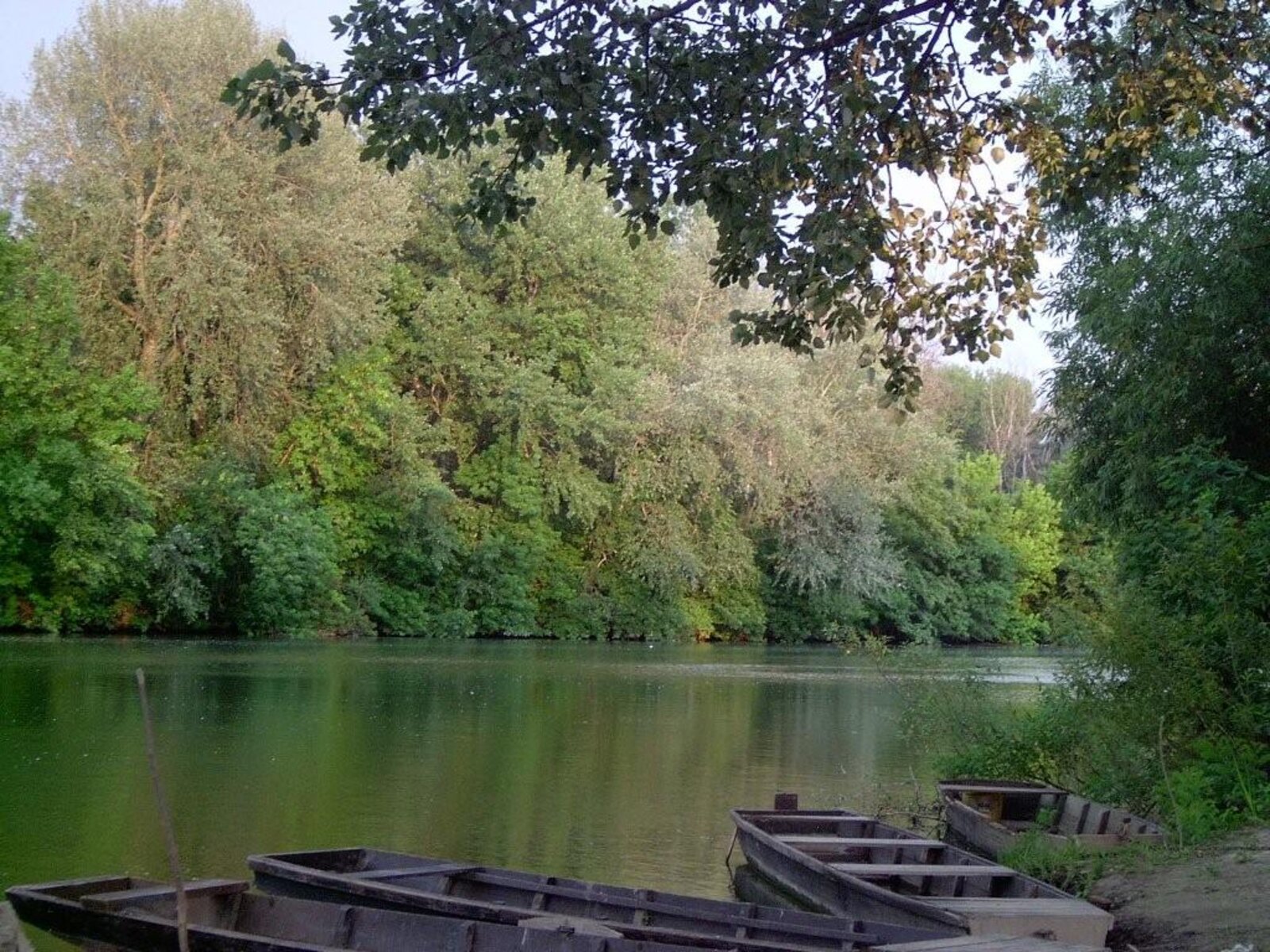


Bodrog river - a Living River, Floodplain Heritage and Sustainable Water-Based Experiences
The Bodrog river is one of the most distinctive floodplain rivers of the Carpathian Basin, shaping the everyday life of communities along its banks for centuries. Settlement patterns, transport routes and traditional livelihoods have long adapted to the river’s water regime: older village centres were typically established on higher ground to avoid floods, while floodplain meadows, gallery forests and oxbow lakes formed a diverse and dynamic landscape closer to the river. The Bodrog represented not only a challenge, but also a vital resource. Its fish-rich waters, riverside orchards and meadows, and its humid microclimate contributed to local livelihoods and, in several areas, indirectly supported the unique climatic conditions of the Tokaj wine region.
Fishing Traditions and River-Based Folk Knowledge
Along the Bodrog, fishing remained an important source of livelihood in many settlements until the first half of the 20th century. The names of traditional fishing tools still preserve a rich body of local ecological knowledge and practical experience tied to the river. Terms such as net, hook, fish trap, pirityelő, clapper, cast net, landing net, drag net, lobbanó, probing spear and harpoon continue to live on in local memory. These expressions reflect not only techniques, but also a way of life built on respect for the river and adaptation to natural rhythms.

A Legend of the Stony Riverbed between Tokaj and Bodrogkeresztúr
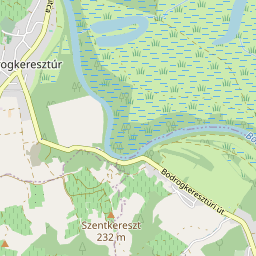
Numerous legends and folk tales have been passed down along the Bodrog for generations. One of the most well-known stories explains why the riverbed is so stony between Tokaj and Bodrogkeresztúr.
According to the legend, long ago, when fairies still lived on Tokaj Hill, shepherds grazed their flocks on its slopes. A huge rock stood there, the fairies’ favourite resting place, which they enchanted so that anyone who touched it would instantly turn to stone. One day a great storm arose, and the shepherds sought shelter beneath the rock, unaware of the curse. One of them touched it, and all were turned to stone at once. Over time, storms and heavy rains rolled the petrified shepherds down the hillside into the bed of the Bodrog. The fairies, however, were not cruel and took pity on them. They descended to the river, where the stone bodies of the shepherds rose from the water as large rocks. The fairies carried the shepherds’ souls back to the hill, touched them to the great rock, and they came back to life. Their stone bodies, however, remained in the river forever – which is why the Bodrog is still so stony between Tokaj and Bodrogkeresztúr.

Bodrogzug and Wetlands – Floodplains, Birdlife and International Significance
The entire Bodrog river system, and especially the Bodrogzug floodplain area, represents outstanding natural value. Gallery forests, marsh meadows, oxbow lakes and seasonally flooded areas create a mosaic of habitats that support rare birds of prey as well as numerous waterfowl and wading bird species. The area is also an important stopover site along major migratory routes. Owing to its significance, the Bodrogzug was designated in 1989 as a Ramsar site, recognised internationally as a wetland of importance for waterbirds.

Water-Based Tourism on the Bodrog
The Bodrog offers excellent opportunities for nature-based water tourism along its entire course, from Tokaj to the upper reaches near the border and beyond. Its gentle flow, meandering channel and floodplain surroundings make it particularly suitable for kayaking and canoeing, including for beginners and families. Here, paddling is less about speed and more about slow immersion in the landscape: birdwatching, exploring oxbow lakes and side channels, and connecting with the cultural and gastronomic offerings of riverside settlements.
The Bodrog is also significant for recreational fishing, though strict compliance with local regulations and permits is essential due to the area’s high ecological value. The confluence at Tokaj and the surrounding river landscapes – reed beds, floodplain forests and sheltered bays – are especially attractive for photographers and visitors seeking quiet, nature-focused experiences.

Sustainability along the Bodrog – Responsible Visits and Community River Protection
The long-term tourism value of the Bodrog depends on preserving its natural character and the fragile balance of its wetland ecosystems. Responsible visitor behaviour is therefore essential, both on the water and along the banks. The “leave no trace” principle applies throughout: all waste should be carried out, single-use plastics avoided wherever possible, and quiet movement respected to protect birdlife and sensitive habitats.
Community-based river protection initiatives offer inspiring examples of shared responsibility. The PET Cup, widely known from the Tisza river system, promotes river clean-ups and raises awareness of plastic pollution across entire catchments. Its approach also highlights the importance of protecting the Bodrog as part of a connected river network. Visitors can contribute by reducing waste, choosing environmentally responsible local service providers, learning about protected area regulations and respecting seasonal sensitivities of floodplain ecosystems.

Practical Tips for Exploring the Bodrog
Best time to visit
The Bodrog can be visited year-round, but late spring to early autumn is ideal for water-based activities. Spring and early summer are excellent for wildlife observation, while summer offers calm water conditions for relaxed paddling. Autumn brings misty mornings and colourful floodplain forests.
Access points and route planning
There are several official and semi-official access points along the Bodrog, from Tokaj through the upper river sections. Beginners may prefer shorter, one- or two-day routes, while experienced paddlers can plan longer journeys. Always check current water levels and protected area regulations in advance.
Essential equipment – less, but more mindful
A stable kayak or canoe, life jacket, dry bag, sun protection and sufficient drinking water are essential. In line with I-DEST principles, reusable bottles, containers and minimal packaging are strongly recommended to reduce waste.

Target group
-
Class trips
-
Families with younger children
-
Families with older children
-
Multigenerational programs
-
Friends
-
Seniors
-
Couples
Sights, programs
All
Routes featuring this place

View route


View route
View route