Ethical and Sustainability Code for I-DEST Travellers
The goal of I-DEST is to help visitors make more conscious, responsible, and sustainable travel decisions. We believe that travel is not just an experience but also a connection: a connection with local communities, the natural environment, cultural heritage, and the service providers who work tirelessly every day to ensure a destination remains liveable, lovable, and visitable. This code of ethics is for those who choose destinations, activities, accommodations, dining venues, baths, natural attractions, cultural experiences, or active tourism services with the help of I-DEST. It is not a collection of prohibitions but a guide on how travel can be joyful, safe, respectful, and sustainable at the same time.
1. Get informed before you travel
As a responsible traveller, it’s worth familiarising yourself with the basic characteristics of your destination before you set off: local customs, transport options, conservation rules, cultural sensitivities, opening hours, seasonal restrictions, and safety information.
Choose services that communicate transparently about their sustainability, accessibility, and community commitments. On the I-DEST platform, sustainability labels, SDG connections, accessibility information, and provider details help you make decisions based not only on price or attractions but also on values.

2. Respect local communities
A destination is not a backdrop but a home to its people. While travelling, ensure your presence does not disrupt the daily lives of locals. Respect private properties, religious and cultural sites, cemeteries, residential areas, markets, traditional events, and local celebrations.
Before taking photos or videos, ask for permission if people, private homes, religious ceremonies, children, or sensitive community situations are involved. Don’t treat local residents as tourist attractions. Respectful curiosity is a virtue; intrusive behaviour is not.

3. Support the local economy
One of the simplest ways to practise sustainable tourism is to ensure as much of your spending as possible stays local. Choose locally owned accommodations, restaurants, producers, artisans, guided tours, and cultural programmes. Try dishes made with local ingredients, buy authentic local products, and avoid mass-produced, generic souvenirs.
Fair pricing is not just a consumer issue but an ethical one. Don’t haggle unfairly with small businesses, artisans, or local producers. Quality, local, and sustainable services have real value.

4. Choose low-impact transport
A significant portion of tourism’s environmental impact comes from travel. Whenever possible, choose trains, buses, bicycles, walking, public transport, or shared mobility solutions. For shorter distances, don’t automatically opt for a car. For city tours, nature walks, and lakeside relaxation, walking, cycling, or public transport often provide the best experience.
If you travel by car, park responsibly, avoid driving into protected, restricted, or pedestrian zones, and don’t occupy more space than necessary. Even when using an electric car, remember that traffic congestion, parking pressure, and overcrowding are not just emission issues.

5. Protect water, energy, and resources
At accommodations, spas, campsites, restaurants, or event venues, use resources sparingly. Turn off lights, turn off taps, avoid unnecessary towel or linen changes, and minimise single-use packaging.
Water is a particularly sensitive resource. At thermal baths, natural lakes, riversides, and waterfront destinations, preserving water quality is a shared responsibility. Avoid using pollutants in the water, don’t bathe in natural waters with soap or shampoo, and follow swimming, fishing, boating, and conservation rules.

6. Reduce waste
Bring a reusable bottle, your own bag, container, or cutlery if practical. Avoid single-use plastics, unnecessary print materials, and over-packaged products. Recycle waste where facilities are available.
The same principle applies in nature, cities, spas, lakesides, ski slopes, and cultural sites: take everything you brought with you back home. Don’t leave behind rubbish, cigarette butts, food scraps, tissues, animal waste, or any other trace.

7. Respect cultural heritage and cities
When visiting cities, remember that historic districts, monuments, churches, museums, cemeteries, castles, and public spaces are not unlimited resources. Stick to visitor routes, don’t climb on monuments, don’t touch prohibited objects, don’t vandalise, don’t graffiti, and don’t take anything as a souvenir.
Cities are not just daytime attractions. They have residents at night too. Avoid loud behaviour, littering in public spaces, irresponsible alcohol consumption, making noise outside residential buildings, and any actions that diminish the quality of life for locals. A good city visitor respects the city as well as enjoys it.

8. Act responsibly in natural areas and ecotourism sites
In ecotourism sites, national parks, nature trails, forests, marshes, caves, geoparks, and protected areas, always stick to designated paths. Don’t stray off trails, trample vegetation, collect protected plants, rocks, minerals, animals, or eggs, and don’t disturb nesting, resting, or feeding wildlife.
Silence is valuable in nature. Don’t make noise, use drones without permission, feed wildlife, or try to get too close for a photo. Responsible wildlife encounters are based on keeping a respectful distance.

9. Be especially mindful at natural lakes and waterfronts
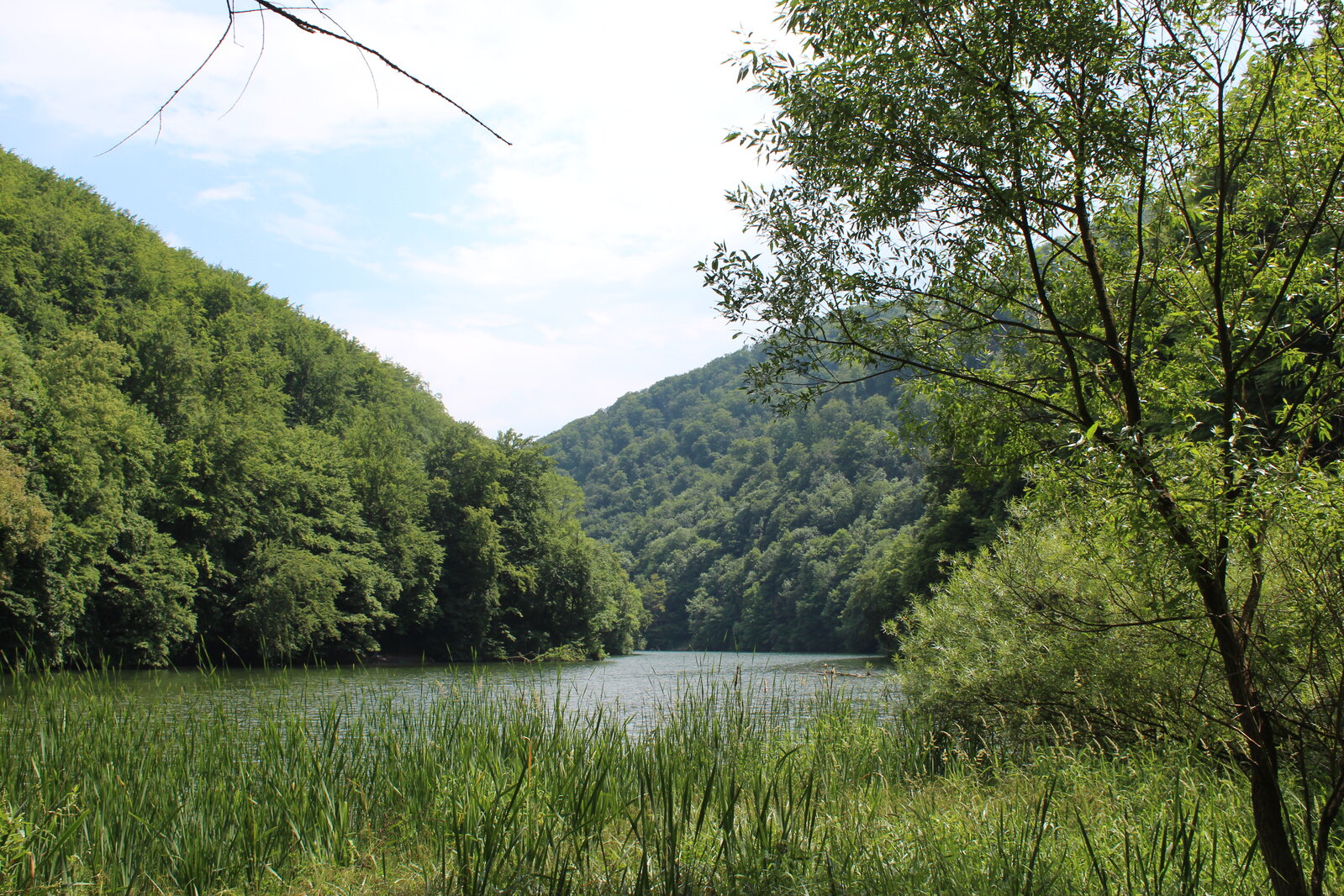
At natural lakes, rivers, oxbows, and reservoirs, follow swimming, boating, fishing, conservation, and shoreline rules. Don’t enter reed beds, bird nesting areas, or restricted shorelines. Avoid using motorised or noisy equipment where it disturbs wildlife or other visitors.
Don’t let sunscreen, cosmetics, chemicals, food waste, or rubbish enter the water. A lake is not a swimming pool but a living ecosystem. The lakeside experience will endure if visitors don’t overburden the shore, water, and habitats.

10. Be hygienic and resource-conscious in spa tourism
In spas, thermal baths, wellness facilities, and beaches, follow house rules, hygiene guidelines, and pool usage regulations. Shower before using pools, don’t bring food or drinks into prohibited areas, and respect the peace of other guests.
Thermal and pool water management requires significant energy, water, and professional oversight. Don’t waste water, damage facilities, pollute pools, and report any accidents, pollution, or dangerous situations to the staff.

11. Adapt to the environment in mountains and ski resorts
On ski slopes, mountain resorts, hiking trails, and alpine environments, follow designated routes, avalanche and weather warnings, and slope rules. Don’t ski or snowboard in closed areas, don’t endanger others, and always choose routes appropriate to your skill level.
Mountain tourism is particularly sensitive to climate change, water use, energy demands, and habitat pressures. Prioritise ski areas accessible by public transport, local service providers, energy-efficient accommodations, and programmes that don’t unnecessarily increase environmental impact.

12. Choose responsible animal programmes
Don’t participate in programmes that force animals into unnatural behaviour, keep them in poor conditions, allow visitors too close, or use them solely for photo opportunities. Don’t pet, feed, chase wild animals, or buy products made from protected species.
A responsible animal experience prioritises the animal’s welfare, natural behaviour, habitat protection, and visitor education. If in doubt, opt for conservation, observation, or guided programmes.

13. Be inclusive and considerate of other visitors
Sustainable tourism is also a social issue. Be mindful of children, the elderly, people with disabilities, families with young children, visitors with assistance dogs, those from different cultural backgrounds, and anyone with different needs.
Don’t occupy accessible parking spaces, ramps, lifts, or priority seating without entitlement. Don’t obstruct pathways with photography, luggage, or group stops. Accessibility is not a luxury but a basic condition for participation.

14. Use digital tools responsibly
The I-DEST maps, filters, sustainability labels, routes, audio guides, surveys, and interactive elements help you make more informed decisions. Use these for guidance, but remember: digital information doesn’t replace on-site rules, staff instructions, or common sense.
Don’t share content that humiliates, endangers, misleads, or portrays the local community disrespectfully. Don’t encourage overloading places that are sensitive, small in capacity, or vulnerable from a conservation perspective.

15. Avoid overcrowding and choose mindful timing
Popular destinations often suffer not because visitors intend harm but because too many arrive at once. If possible, visit during less crowded times, choose alternative routes, smaller towns, lesser-known attractions, or off-season programmes.
Sustainable travel doesn’t necessarily mean choosing fewer experiences. Often, it means travelling at a better pace, in better places, and with greater care.

16. Provide respectful feedback
Feedback from responsible visitors is valuable. If you see good practices, appreciate and recommend them to others. If you encounter problems, report them politely to the provider or destination manager. Sustainability is a continuous learning process, and guest feedback can help improve it.
Avoid unjustly harsh public reviews, but don’t withhold genuine concerns either. Accurate, objective, and respectful feedback improves services, guest experiences, and the interests of local communities.

17. Protect children and vulnerable people
Never support services, programmes, or situations that exploit children, young people, women, the elderly, people with disabilities, minorities, workers, or any vulnerable group. Don’t take or share unauthorised photos of children, especially in sensitive or poverty-related contexts.
If you notice signs of exploitation, harassment, human trafficking, child endangerment, or serious abuse, report it to the appropriate authorities, the provider, or the destination’s official contact.

18. Be a conscious consumer
Don’t buy illegal, counterfeit, or products made from protected species, archaeological artefacts, cultural heritage items, or materials of dubious origin. Don’t take home rocks, plants, animal remains, archaeological items, or any souvenirs that diminish the natural or cultural value of the place.
A souvenir is sustainable when it doesn’t harm the place it comes from.

19. Contribute to positive impact
Sustainable tourism isn’t just about reducing harm. It’s also an opportunity for visitors to make a positive impact. You can join local initiatives, donate to credible conservation or community programmes, participate in litter clean-ups, support local producers, or simply choose to visit a lesser-known but valuable place.
A good traveller is not just a consumer but a partner too.

20. The I-DEST visitor pledge
As a member of the I-DEST community, I commit to:
- showing respect to local communities;
- protecting natural and cultural heritage;
- prioritising local, responsible, and sustainable providers;
- reducing my waste, water, and energy use;
- being mindful of the dignity of other visitors, locals, and vulnerable groups;
- following on-site rules, especially in protected, cultural, waterfront, spa, and mountain areas;
- leaving no damage, waste, or disrespect behind;
- and striving to leave a positive impact with my presence.
Travel is an experience. Responsible travel is a value. Sustainable travel is part of our shared future.

More Pages
-
5 Mins
Read -
10 Mins

Read -
7 Mins

Read -
5 Mins

Read -
6 Mins

Read -
4 Mins

Read -
1 Mins

Read -
1 Mins

Read -
1 Mins

Read -
3 Mins

Read -
4 Mins

Read -
12 Mins

Read -
3 Mins

Read -
3 Mins

Read -
2 Mins

Read -
3 Mins

Read -
4 Mins
Read -
3 Mins

Read -
4 Mins

Read -
7 Mins

Read -
9 Mins

Read -
3 Mins

Read -
4 Mins

Read -
3 Mins

Read -
3 Mins

Read -
5 Mins

Read -
1 Mins

Read -
2 Mins

Read -
2 Mins

Read -
7 Mins

Read -
1 Mins

Read -
3 Mins

Read