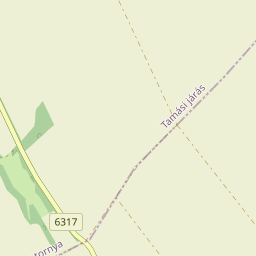
Simontornya Castle
Simontornya Castle, rising on the banks of the Sió Canal in Tolna County, is one of the most treasured gems of Hungarian heritage preservation and castle architecture. This fortress, showcasing layers of Gothic, Renaissance, and Baroque architectural styles, is not only a historical witness that has survived centuries of turmoil but also a dynamically evolving cultural centre, community space, and an outstanding example of sustainable regional heritage tourism.
History
The history of Simontornya Castle dates back to the second half of the 13th century: the castle was built by Salamon, son of Simon from the Dörösd clan, and both the settlement and the fortress were named after him ("Simon's Tower"). Initially consisting of a single residential tower, the fortress came into the possession of the Garai family at the beginning of the 15th century, who expanded it into a Gothic castle. The castle's golden age was during the time of Moses Buzlay, the royal chamberlain and treasurer, who in the early 16th century transformed it into one of the most ornate Renaissance residences in Hungary with the help of Italian masters.
During his diplomatic missions, Buzlay incorporated the experiences he gained at King Matthias's court and in Renaissance Italy into the castle's architecture. During the Ottoman occupation, the castle served as an important sanjak centre, which saved it from complete destruction, and it also played a strategic role during the Rákóczi War of Independence. In the 18th century, the Styrum-Lymburg family carried out Baroque modifications, and later it functioned as a granary and warehouse. Comprehensive archaeological exploration and scientific reconstruction of the castle began in the 1960s, saving this unique architectural complex from collapse.

Attractions
The museum exhibitions at Simontornya Castle invite visitors on a complex journey through time, from the Middle Ages to the modern era. The most impressive part of the castle is the restored Gothic and Renaissance knight's hall, where period stone carvings, fireplace fragments, and door frames reflect the refined taste of the former owners. The Gothic ribbed vaults of the castle chapel and the restored fragments of wall paintings create a unique sacred atmosphere.
The multi-storey castle museum features permanent exhibitions on castle history, archaeology, and ethnography. Visitors can explore a room showcasing Ottoman-era relics, a medieval armoury, as well as collections presenting the guild crafts of Tolna County and the lifestyle of the local nobility. From the top floor of the castle and its defensive walkways, a stunning panorama of the Sió Valley and the old town of the settlement unfolds, offering an unforgettable visual experience for cultural tourism enthusiasts.
Modern Functions
Today, Simontornya Castle operates as a multifunctional cultural experience centre, museum, and community meeting place. The building hosts expert-led museum education programmes, interactive guided tours, and unconventional history lessons for school groups and families.
The castle's inner courtyard and stone walls regularly serve as venues for theatrical performances, classical music concerts, Renaissance and medieval heritage festivals, and craft fairs. The heritage site is also a popular location for exclusive weddings, conferences, scientific symposiums, and photoshoots, providing the region with vibrant cultural content throughout the year.
Sustainability
The operation of Simontornya Castle integrates heritage conservation principles with sustainable heritage management practices. During the maintenance and modernisation of the building's lighting and mechanical systems, special attention was paid to using energy-efficient technologies that blend invisibly into the historic walls, minimising the ecological footprint.
The castle's tourism model is built on involving the local community and stimulating the regional economy. Local artisans, small-scale producers, and hospitality providers participate as strategic partners in organising events and delivering tourism services. This type of sustainable tourism development ensures the authentic preservation of cultural heritage, strengthens local identity, and supports the long-term, economically sustainable operation of the heritage site.
Target group
-
Class trips
-
Families with younger children
-
Families with older children
-
Multigenerational programs
-
Friends
-
Seniors
-
Couples