Estimated time
1h 9m
Route properties
- Available transport
- Target groups
Route plan
Here you can see where you start, what you pass through and where you arrive.
-
Village Hall Starting point
-
The Treasure Trove of Bodrogkeresztúr 2. Place -
The statue of the Hungarian prince Ferenc Rákóczi II. 3. Place
-
The Griffin Well 4. Place
-
The Rabbinic House 5. Place
-
Former Synagogue 6. Place
-
Philip the stork - stork nests 7. Place
-
Bodrog river 8. Place
-
World War I Memorial 9. Place
-
The former Széchenyi-Wolkenstein Castle 10. Place
-
The Calvinist Church 11. Place -
Roman Catholic Church 12. Place
-
Greek Catholic Church 13. Place -
The viewpoint 14. Place
-
The Acetania Vinegar Museum End point
Route path
Point of interest
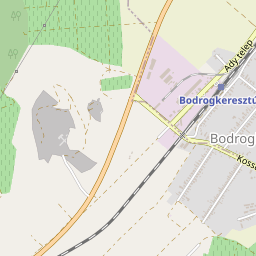
Locations on this route
-
Village Hall The current Village Hall used to be the property of the Hohenlohe princes that was purchased by the municipal management in 1929.
-
The Treasure Trove of Bodrogkeresztúr Keresztúr was inhabited already in prehistoric times. This is evidenced by the discovery of the two great artefact assemblages discovered. -
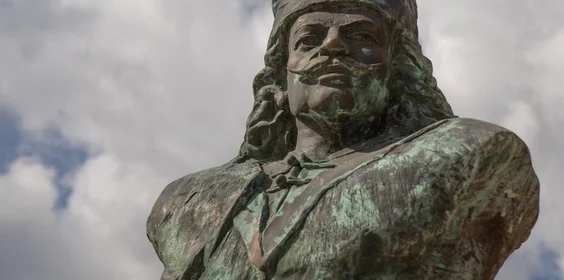
The statue of the Hungarian prince Ferenc Rákóczi II. In 1648 Ferdinand III donated Bodrogkeresztúr to György Rákóczi. Half a century later, in 1699, Ferenc Rákóczi II and Julianna Rákóczi agreed on the allocation of the estates, as part of which Julianna Rákóczi became the owner of the properties in the village. At the same time, the Rákóczi War of Independence determined the fate of the whole Tokaj-Hegyalja region - thanks to this, a life-size bust of Rákóczi, cast in bronze by sculptor Géza Balogh based on a painting by Ádám Mányoki is now featured in the centre of the village.
-
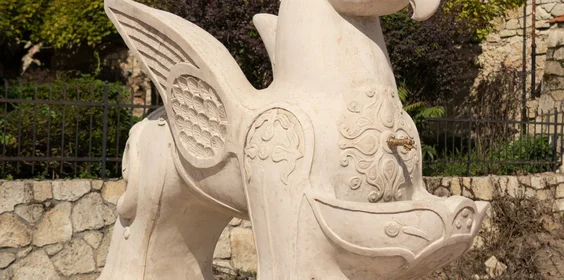
The Griffin Well Since 2010, the artwork of Sándor Gyula Makoldi, a resident of Bodrogkeresztúr and creator of several public square sculptures, provided water to tired hikers in the heart of the village. An important motif of the Hungarian Conquest chieftain graves found in the Bodrogköz region is the griffin bird, a mythical creature known from the White Horse’s son tale, a powerful and fearsome force that can lift you to heights you cannot otherwise reach. That's why the statue is designed in a way so that people can sit on its back while it gives thirsty people the gift of life-giving water from its own body.
-
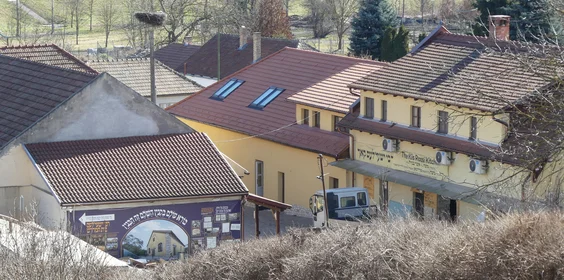
The Rabbinic House The rabbi died in April 1925, and on the day of his funeral 12,000 train tickets were sold at the Bodrogkeresztúr train station. On the anniversary of his death, hundreds of pilgrims came to Bodrogkeresztúr in the following years - and today pilgrims come not only on the anniversary, but at any time of the year.
-
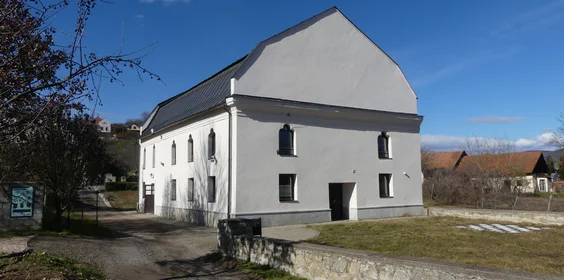
Former Synagogue According to the census of 1723-24, there were already 7 Jewish families living in Bodrogkeresztúr, and their number increased steadily during the 18th century. The strengthening of the community and the religious life is shown by the fact that the first rabbi of the Jewish community of Pest, Israel Wahrmann, was the rabbi of Bodrogkeresztúr prior to 1765, and there are records from the same year that the Bodrogkeresztúr fair was visited by Jewish merchants from Pest county. A few decades later, in 1786, 256 Jewish inhabitants were recorded in the settlement, in 65 households.
-
Philip the stork - stork nests A few years ago, the main street of the village had many overhead cables, which posed a constant threat to birds in the area. The proximity of the Bodrog river makes Bodrogkeresztúr a popular habitat for storks. However, the death of Fülöp the stork, who had lived in the village for 12 years, in 2018, has also highlighted the problem of overhead cables.
-
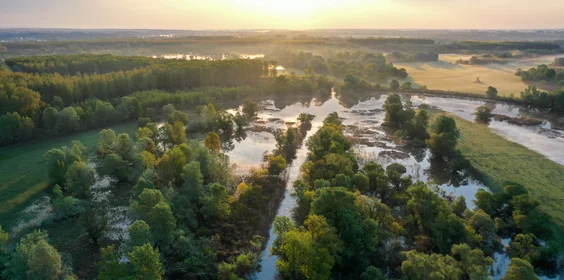
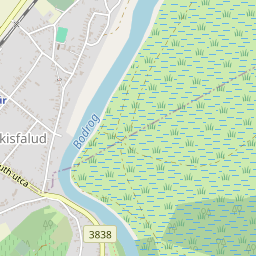
Bodrog river The Bodrog river is one of the most distinctive floodplain rivers of the Carpathian Basin, shaping the everyday life of communities along its banks for centuries. Settlement patterns, transport routes and traditional livelihoods have long adapted to the river’s water regime: older village centres were typically established on higher ground to avoid floods, while floodplain meadows, gallery forests and oxbow lakes formed a diverse and dynamic landscape closer to the river. The Bodrog represented not only a challenge, but also a vital resource. Its fish-rich waters, riverside orchards and meadows, and its humid microclimate contributed to local livelihoods and, in several areas, indirectly supported the unique climatic conditions of the Tokaj wine region.
-
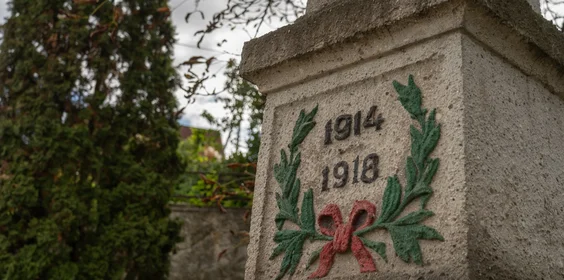
World War I Memorial The monument is a memorial of the heroes of the First World War.
-
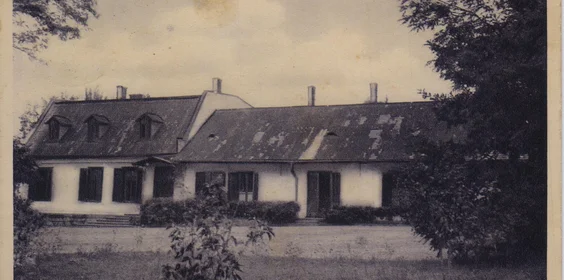
The former Széchenyi-Wolkenstein Castle Oszvald Wolkeinstein, a descendant of Julianna Rákóczi, built the mansion at the foot of the Dereszla hill in the last quarter of the 19th century.
-
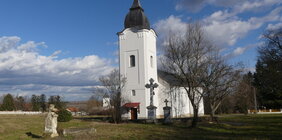
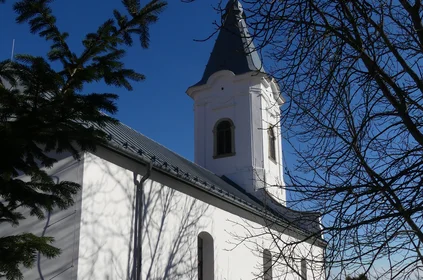
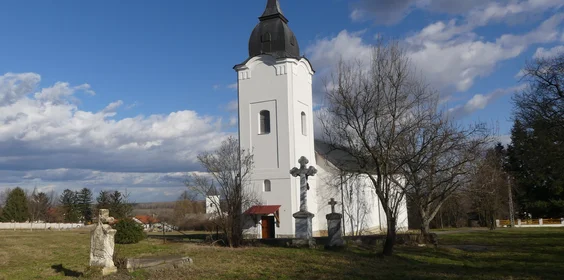
The Calvinist Church The Louis seize style church was built in the late 18th century. At that time, the present Felső street was the main street of the village, and according to Joseph II's decrees, Protestants were only allowed to build the church 30 metres further down the street, with its back to the main street. History has served justice to the Reformed community in such a way that the lower street, closer to the river Bodrog, became the main route for the wine merchants, and eventually the lower street, going by the river, took over the role of the main street. -
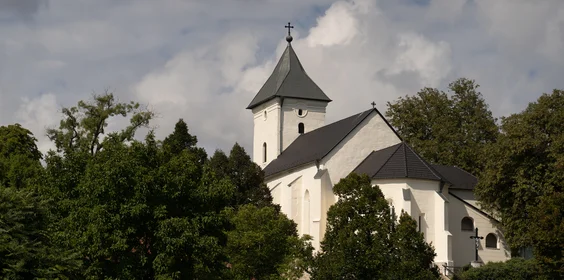
Roman Catholic Church The Roman Catholic church dedicated to the Exaltation of the Holy Cross dates back to the 13th century.
-
Greek Catholic Church The Greek Catholic parish of Bodrogkeresztúr was founded in 1766. -
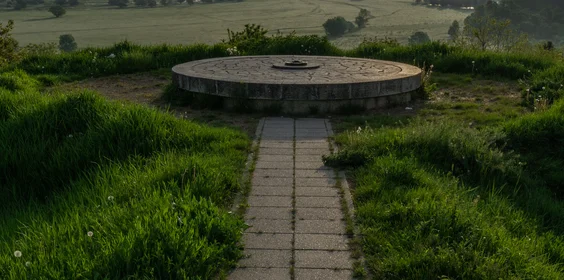
The viewpoint If you walk up to the viewpoint above the village, you can not only enjoy the spectacular view, but also get a sense of the mystical nature that the people of the area attributed to their natural environment for centuries. The local tales – told by the admiring and humble people - present a world where people do not dominate nature, but submit to its laws, and in return, nature gives them all the good things they can imagine.
-
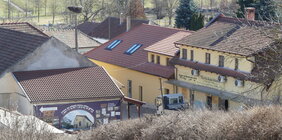
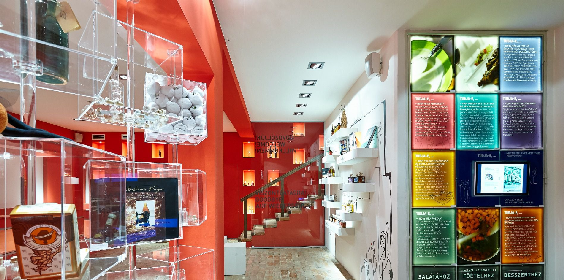
The Acetania Vinegar Museum The word vinegar does not always conjure up images of premium gastronomic value. It more reminds us of the cleaning techniques of our grandmothers, or the taste of bean soup with vinegar added.