-

Photo: Gazsó János -

Photo: Gazsó János -

Photo: Gazsó János -

Photo: Gazsó János -

Photo: Gazsó János


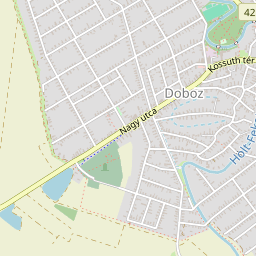
Doboz
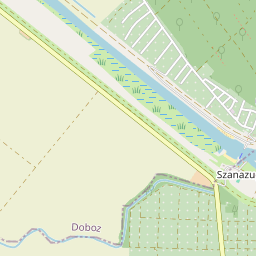
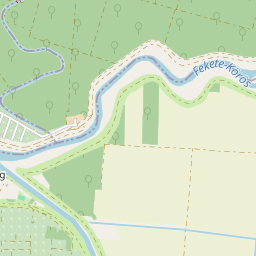
One of the oldest settlements in Békés County, Doboz is located near the confluence of the Kettős-Körös and Sebes-Körös rivers, surrounded by picturesque scenery. The village was first mentioned in 1075 and has a rich history, beginning as a royal estate and later passing through the hands of various noble families. The name Doboz is derived from the Slavic word "dub," meaning oak, referring to the once vast oak forests in the area. One of its most famous buildings is the Wenckheim Mansion, designed by Miklós Ybl in the latter half of the 19th century, now serving as an elementary school. In addition to its historical attractions, Doboz is known for its natural beauty, with the Körös Riverside resort area of Szanazug offering a peaceful setting for relaxation. The village’s vibrant cultural life is highlighted by events like the Doboz Honey Festival and the Horse Driving Memorial Competition, which attract visitors from near and far.
Accès
- Marche
- Vélo
- Autobus (loué pour le voyage)
- Voiture
- Activités nautiques (kayak, canoë, bateau)
- Moto
- Vélo électrique
Arrivée
- Marche
- Cheval
- Vélo
- Autobus (loué pour le voyage)
- Voiture
- Moto
- Vélo électrique
- Activités nautiques (kayak, canoë, bateau)
Sites touristiques, programmes
Tout


Que trouverez-vous ici ?
Transports en commun
- bus
Informations sur le stationnement
- Parking extérieur gratuit
- Parking gratuit pour autobus disponible
Thème 1 : Gestion de la destination 69 %
- Gestion des visiteurs: 5/5 100 %
- Engagement et organisation: 2/4 62 %
- Conception et développement: 5/6 83 %
- Suivi et rapports: 2/4 50 %
- Conformité légale et éthique: 1/2 50 %
Thème 2 : Nature et paysage 48 %
- Protection de la nature et de la faune sauvage: 0/3 17 %
- Nature et conservation: 4/5 80 %
Thème 3 : Environnement et climat 65 %
- Utilisation des sols et pollution: 2/3 83 %
- Gestion de l'eau: 3/5 70 %
- Énergie, mobilité durable et changement climatique: 3/7 43 %
- Adaptation au changement climatique: 1/2 50 %
- Déchets et recyclage: 4/5 80 %
Thème 4 : Culture et traditions 67 %
- Patrimoine culturel: 1/3 33 %
- Personnes et traditions: 4/4 100 %
Thème 5 : Bien-être social 58 %
- Santé et sécurité: 1/2 50 %
- Économie locale: 3/5 70 %
- Impacts socio-économiques: 0/2 0 %
- Participation communautaire: 4/4 100 %
- Dignité humaine: 5/7 71 %
Thème 6 : Affaires et communication 22 %
- Participation des entreprises: 4/9 44 %
- Information et marketing: 0/3 0 %