-

-

-

Photo: Alföld Slow - Szőke Tünde -

Photo: Gazsó János -

Photo: Gazsó János


Alföld Slow
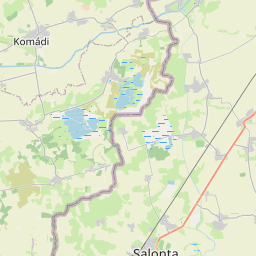
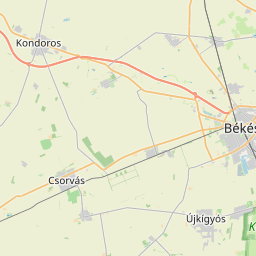
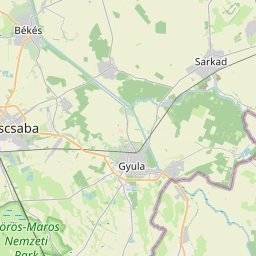
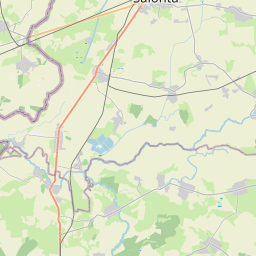
The Alföld Slow destination invites visitors with the idyllic beauty and unique tranquility of the Békés region. This area uniquely combines natural values, cultural treasures, and the philosophy of sustainable tourism. The distinctiveness of Alföld Slow lies in the collaborative effort of 27 towns and villages to promote slower, experience-centered travel, where close-to-nature experiences and human connections take center stage.
The winding course of the Körös River and its picturesque surroundings offer active recreation opportunities for lovers of water tourism, whether it’s canoeing, fishing, or simply relaxing by the riverside. Gyula, the crown jewel of the destination, guarantees unforgettable experiences with its renowned thermal spa and historical landmarks, such as its castle and the famous Gyula sausage. For culture enthusiasts, Gyomaendrőd, Vésztő, Újkígyós, and Békés provide rich programs, showcasing traditions and local values.
The flat landscape of the Alföld Slow region is particularly favorable for cycling tourism. Low-traffic secondary roads and unspoiled nature create ideal conditions for bike tours, enhanced by stops featuring local gastronomic specialties and friendly hospitality. The ease of moving between settlements allows visitors to explore the area in a personalized way, whether seeking active recreation or quiet contemplation amidst nature.
Alföld Slow is a true refuge from the hustle and bustle of everyday life, where the slower pace serves not only as a form of relaxation but also as a tool for improving quality of life. Time spent here recharges your energy, soothes the soul, and brings you closer to both nature and yourself.
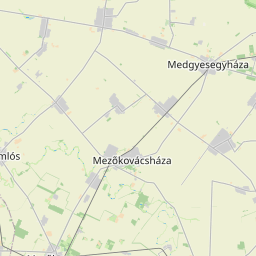
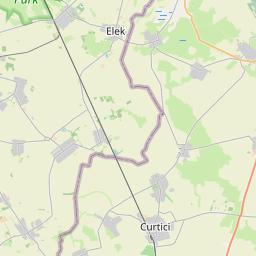
Currently, Alföld Slow connects 27 towns and villages in Békés County: Almáskamarás, Békés, Békéssámson, Biharugra, Csabaszabadi, Csanádapáca, Ecsegfalva, Elek, Csorvás, Doboz, Gádoros, Gyomaendrőd, Gyula, Kamut, Kardoskút, Kevermes, Kétegyháza, Kondoros, Kunágota, Lőkösháza, Magyardombegyház, Méhkerék, Mezőkovácsháza, Nagykamarás, Sarkad, Újkígyós, and Vésztő.
Accès
- Marche
- Cheval
- Activités nautiques (kayak, canoë, bateau)
- Vélo
- Vélo électrique
- Autobus (loué pour le voyage)
- Train
- Moto
- Voiture
Arrivée
- Marche
- Cheval
- Activités nautiques (kayak, canoë, bateau)
- Vélo
- Vélo électrique
- Transports en commun (autobus)
- Autobus (loué pour le voyage)
- Moto
- Voiture
Sites touristiques, programmes
Tout
Hébergements

Que trouverez-vous ici ?
-
Hébergements
-
Lieux d'événements
-
Restauration/Catering
-
-
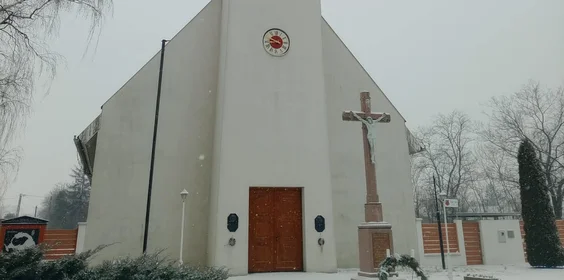
Église de Notre-Dame de Fátima et ses panneaux en bois, Lőkösháza
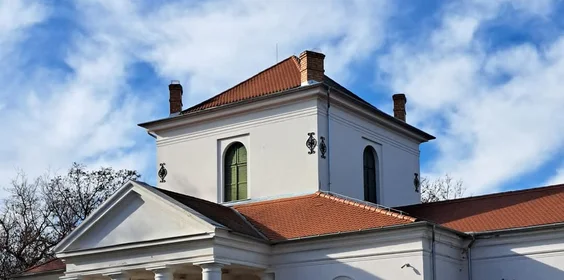
Château Bréda de Vásárhely
Liget Thermal et Camping de Gyomaendrőd
Musée du village, Biharugra
Statue du Berger Jouant de la Flûte
Château Wenckheim de Doboz
Église réformée de Doboz
Corvus-Kora Róbert
Exposition des fleurs en sucre de Mme Károlyné Kovács
Collection de dioramas de József Kotroczó
Maison Littéraire Mémoriale Szabó Pál
Maison rurale
Parc du Château Wenckheim
Église catholique et crypte de l'Exaltation de la Sainte Croix
Grenier conçu par Miklós Ybl
Maison Mémoriale Tamás Széchy, Collection Historique et Maison de Création
Château de Samson
Transports en commun
- bus
- train
Informations sur le stationnement
- Parking extérieur gratuit
- Parking payant disponible
- Parking gratuit pour autobus disponible
- Parking payant pour autobus disponible
Rapport sur l'état de durabilité
Thème 1 : Gestion de la destination 56 %
- Gestion des visiteurs: 2/5 50 %
- Engagement et organisation: 2/4 62 %
- Conception et développement: 4/6 67 %
- Suivi et rapports: 2/4 50 %
- Conformité légale et éthique: 1/2 50 %
Thème 2 : Nature et paysage 73 %
- Protection de la nature et de la faune sauvage: 2/3 67 %
- Nature et conservation: 4/5 80 %
Thème 3 : Environnement et climat 35 %
- Utilisation des sols et pollution: 0/3 17 %
- Gestion de l'eau: 2/5 40 %
- Énergie, mobilité durable et changement climatique: 0/7 0 %
- Adaptation au changement climatique: 2/2 100 %
- Déchets et recyclage: 1/5 20 %
Thème 4 : Culture et traditions 42 %
- Patrimoine culturel: 1/3 33 %
- Personnes et traditions: 2/4 50 %
Thème 5 : Bien-être social 45 %
- Santé et sécurité: 1/2 50 %
- Économie locale: 1/5 30 %
- Impacts socio-économiques: 1/2 50 %
- Participation communautaire: 1/4 25 %
- Dignité humaine: 5/7 71 %
Thème 6 : Affaires et communication 33 %
- Participation des entreprises: 0/9 0 %
- Information et marketing: 2/3 67 %