-

-

-

Foto: Alföld Slow - Szőke Tünde -

Foto: Gazsó János -

Foto: Gazsó János


Alföld Slow
The Alföld Slow destination invites visitors with the idyllic beauty and unique tranquility of the Békés region. This area uniquely combines natural values, cultural treasures, and the philosophy of sustainable tourism. The distinctiveness of Alföld Slow lies in the collaborative effort of 27 towns and villages to promote slower, experience-centered travel, where close-to-nature experiences and human connections take center stage.
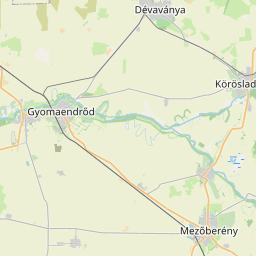
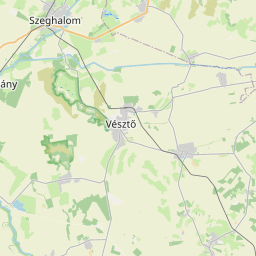
The winding course of the Körös River and its picturesque surroundings offer active recreation opportunities for lovers of water tourism, whether it’s canoeing, fishing, or simply relaxing by the riverside. Gyula, the crown jewel of the destination, guarantees unforgettable experiences with its renowned thermal spa and historical landmarks, such as its castle and the famous Gyula sausage. For culture enthusiasts, Gyomaendrőd, Vésztő, Újkígyós, and Békés provide rich programs, showcasing traditions and local values.
The flat landscape of the Alföld Slow region is particularly favorable for cycling tourism. Low-traffic secondary roads and unspoiled nature create ideal conditions for bike tours, enhanced by stops featuring local gastronomic specialties and friendly hospitality. The ease of moving between settlements allows visitors to explore the area in a personalized way, whether seeking active recreation or quiet contemplation amidst nature.
Alföld Slow is a true refuge from the hustle and bustle of everyday life, where the slower pace serves not only as a form of relaxation but also as a tool for improving quality of life. Time spent here recharges your energy, soothes the soul, and brings you closer to both nature and yourself.
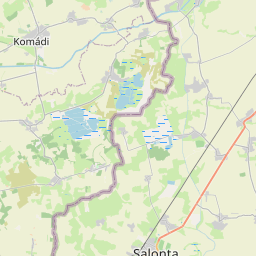
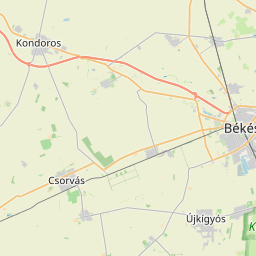
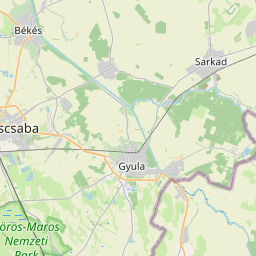
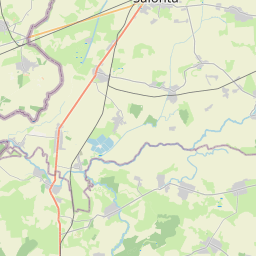
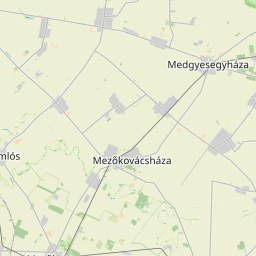
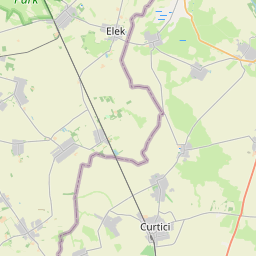
Currently, Alföld Slow connects 27 towns and villages in Békés County: Almáskamarás, Békés, Békéssámson, Biharugra, Csabaszabadi, Csanádapáca, Ecsegfalva, Elek, Csorvás, Doboz, Gádoros, Gyomaendrőd, Gyula, Kamut, Kardoskút, Kevermes, Kétegyháza, Kondoros, Kunágota, Lőkösháza, Magyardombegyház, Méhkerék, Mezőkovácsháza, Nagykamarás, Sarkad, Újkígyós, and Vésztő.
Come arrivare
- A piedi
- A cavallo
- Remando (kayak, canoa, barca)
- In bicicletta
- In bicicletta elettrica
- (Con autobus a noleggio)
- In treno
- In moto
- In auto
Arrivo
- A piedi
- A cavallo
- Remando (kayak, canoa, barca)
- In bicicletta
- In bicicletta elettrica
- Con trasporto pubblico
- (Con autobus a noleggio)
- In moto
- In auto
Attrazioni, programmi
Mostra tutto
Alloggi

Cosa puoi trovare qui?
-
Luoghi per eventi
-
Cibo/Catering
-
-
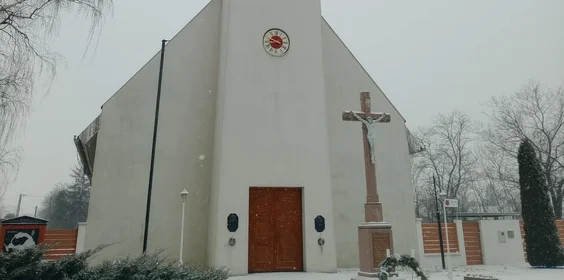
Chiesa della Madonna di Fatima e i suoi pannelli lignei dipinti, Lőkösháza
Castello Bréda di Vásárhelyi
Liget Gyógyfürdő e Campeggio di Gyomaendrőd
Museo del Villaggio, Biharugra
Statua del pastore flautista
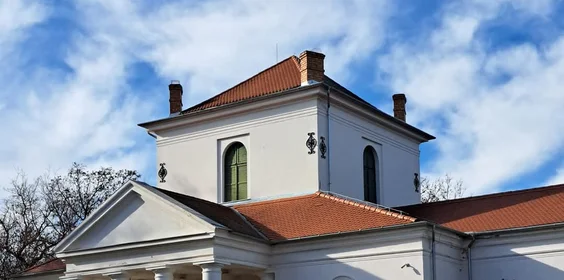
Castello Wenckheim di Doboz
Chiesa Riformata di Doboz
Corvus-Kora Róbert
Mostra di fiori di zucchero di Kovács Károlyné
Collezione di diorami di József Kotroczó
Casa Memoriale Letteraria di Pál Szabó
Casa della Tradizione
Parco del Castello Wenckheim
Chiesa cattolica e cripta dell'Esaltazione della Santa Croce
Magazzino progettato da Miklós Ybl
Casa Memoriale Tamás Széchy, Collezione di Storia Locale e Casa Creativa
Castello di Sansone
Trasporto pubblico
- Autobus
- Ferrovia
Informazioni sul parcheggio
- Parcheggio esterno gratuito disponibile
- Parcheggio a pagamento disponibile
- Parcheggio gratuito per autobus disponibile
- Parcheggio a pagamento per autobus disponibile
Rapporto sullo stato di sostenibilità
Argomento 1: Gestione della destinazione 56%
- Gestione dei visitatori: 2/5 50%
- Impegno e organizzazione: 2/4 62%
- Progettazione e sviluppo: 4/6 67%
- Monitoraggio e reporting: 2/4 50%
- Conformità legale ed etica: 1/2 50%
Argomento 2: Natura e paesaggio 73%
- Protezione della natura e della fauna selvatica: 2/3 67%
- Natura e conservazione: 4/5 80%
Argomento 3: Ambiente e clima 35%
- Uso del suolo e inquinamento: 0/3 17%
- Gestione delle acque: 2/5 40%
- Energia, mobilità sostenibile e cambiamenti climatici: 0/7 0%
- Adattamento ai cambiamenti climatici: 2/2 100%
- Rifiuti e riciclaggio: 1/5 20%
Argomento 4: Cultura e tradizioni 42%
- Patrimonio culturale: 1/3 33%
- Persone e tradizioni: 2/4 50%
Argomento 5: Benessere sociale 45%
- Salute e sicurezza: 1/2 50%
- Economia locale: 1/5 30%
- Impatti socioeconomici: 1/2 50%
- Partecipazione della comunità: 1/4 25%
- Dignità umana: 5/7 71%
Argomento 6: Business e comunicazione 33%
- Partecipazione aziendale: 0/9 0%
- Informazioni e marketing: 2/3 67%