Bodrogkeresztúr
The history of the town dates back to ancient times, and it was named after a church dedicated to the Holy Cross. The name Bodrogkeresztúr first appeared in a charter from 1239. From 1411, the village became part of the Tokaj castle estate, with notable owners including János Garai, György Brankovics, János Hunyadi and his wife, and later Matthias Hunyadi, who pledged the settlement to Imre Szapolyai.
In urbariums from 1517 and 1520, Bodrogkeresztúr is already mentioned as a market town, with a population that exceeded that of Tokaj at the time. Although records indicate that the Turks destroyed it before 1567, the settlement was soon rebuilt, and its economic and social life revived.
By the 17th century, Bodrogkeresztúr held four national fairs annually, operated a daily market, maintained a butcher’s shop, had the right to sell wine, elected its own judges, and even held the right of the sword. Among its landowners were István Bocskai, Gábor Báthory, and the Rákóczi family.
After the fall of the War of Independence led by Ferenc Rákóczi II, the settlement entered the 18th century economically exhausted and plundered. Nevertheless, thanks to viticulture, winemaking, and the resilient work of its inhabitants, Bodrogkeresztúr managed to recover.
In the 19th century, with the dissolution of market towns, Bodrogkeresztúr transitioned into a village.
Anreise
- Zu Fuß
- Mit einem Pferd
- Paddeln (Kajak, Kanu, Boot)
- Mit dem Fahrrad
- Mit dem Elektrofahrrad
- Mit dem Zug
- Mit dem Bus (für die Reise gemietet)
- Schiff
- Mit dem Boot (Segelboot, Motorboot)
- Mit dem Motorrad
- Mit dem Auto
Ankunft
- Zu Fuß
- Mit einem Pferd
- Mit dem Fahrrad
- Mit dem Elektrofahrrad
- Mit dem Motorrad
- Mit dem Auto
Attraktionen, Programme
Alle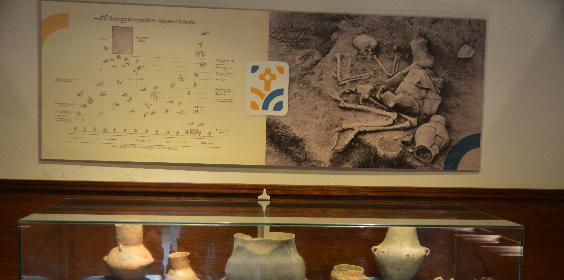
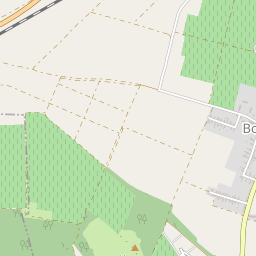
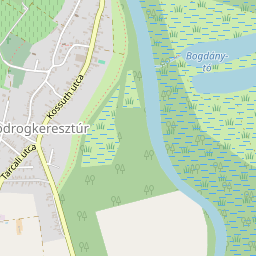
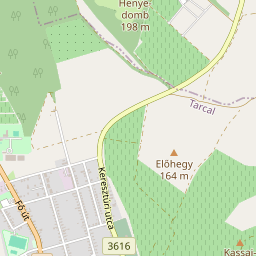
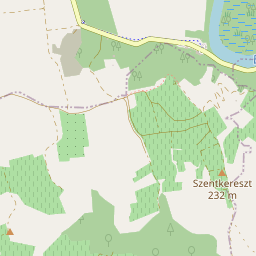
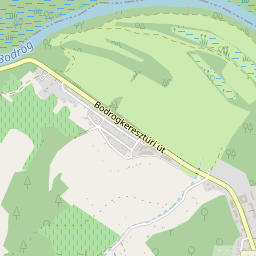
Unterkünfte
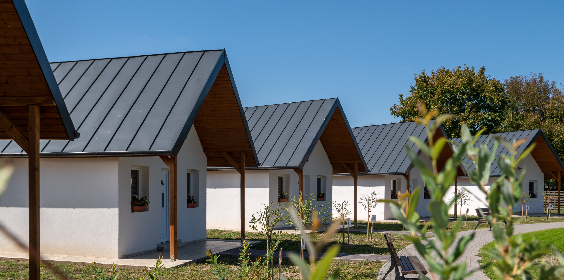
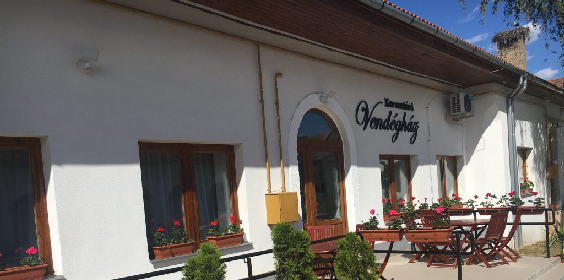
Was finden Sie hier?
-
Essen/Catering
-
Sehenswürdigkeiten
-
-
Der Schatzfund von Bodrogkeresztúr
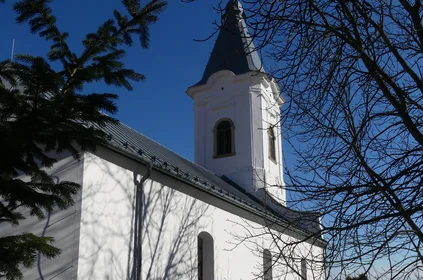
Die reformierte Kirche
Storchenschutz-Zentrum
Acetánia
Das Rákóczi-Haus
Philipp, der Storch - Storchennester in Bodrogkeresztúr
Greif Trinkbrunnen, Bodrogkeresztúr
Griechisch-katholische Kirche des Heiligen Georg des Märtyrers
Das Schloss Széchenyi-Wolkenstein in Bodrogkeresztúr
Gemeindehaus
Römisch-katholische Kirche
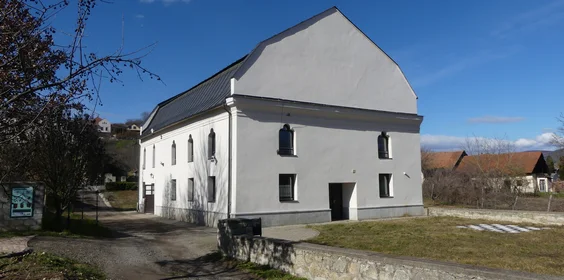
Das Rabbinische Haus
Die Statue des ungarischen Fürsten Ferenc Rákóczi II.
Routen mit diesem Reiseziel

Route ansehen

Route ansehen

Route ansehen

Route ansehen
Öffentliche Verkehrsmittel
- Eisenbahn
- Bus
- Schiff
Parkinformationen
- Kostenlose Parkplätze im Freien verfügbar
- Kostenlose Busparkplätze vorhanden
Nachhaltigkeitsstatusbericht
Thema 1: Reisezielmanagement 54 %
- Besuchermanagement: 3/5 80 %
- Engagement und Organisation: 1/4 25 %
- Design und Entwicklung: 1/6 17 %
- Überwachung und Berichterstattung: 2/4 50 %
- Rechtliche und ethische Konformität: 2/2 100 %
Thema 2: Natur und Landschaft 80 %
- Schutz von Natur und Tierwelt: 3/3 100 %
- Natur und Naturschutz: 3/5 60 %
Thema 3: Umwelt und Klima 42 %
- Landnutzung und Verschmutzung: 1/3 33 %
- Wassermanagement: 2/5 40 %
- Energie, nachhaltige Mobilität und Klimawandel: 2/7 29 %
- Anpassung an den Klimawandel: 1/2 50 %
- Abfall und Recycling: 3/5 60 %
Thema 4: Kultur und Traditionen 100 %
- Kulturelles Erbe: 3/3 100 %
- Menschen und Traditionen: 4/4 100 %
Thema 5: Soziales Wohlergehen 75 %
- Gesundheit und Sicherheit: 1/2 50 %
- Lokale Wirtschaft: 4/5 90 %
- Sozioökonomische Auswirkungen: 1/2 50 %
- Beteiligung der Bevölkerung: 4/4 100 %
- Menschenwürde: 6/7 86 %
Thema 6: Unternehmen und Kommunikation 61 %
- Unternehmensbeteiligung: 2/9 22 %
- Information und Marketing: 3/3 100 %