Tokio
Tokió nem csupán egy város, hanem egy lenyűgöző időkapszula, ahol a tiszteletreméltó múlt és a hipermodern jövő zökkenőmentesen él egymás mellett. A világ legnépesebb metropolisza egyszerre nyújtja a neonfényben úszó felhőkarcolók futurisztikus hangulatát és a sintoista szentélyek mély, meditatív csendjét.
Tokió története egy kis halászfaluval, Edóval kezdődött. A sorsfordító pillanat 1603-ban jött el, amikor Tokugava Iejaszu sógun ide helyezte át katonai kormányzatának székhelyét, ezzel az ország de facto központjává téve a várost, bár a császár még Kiotóban maradt. Az Edo-korban a város a béke és a kulturális virágzás korszakát élte, a világ egyik legnépesebb és legtisztább urbanizált központjává vált. Az 1868-as Meidzsi-restauráció során a császári udvar átköltözött Edóba, amelyet átneveztek Tokiónak, ami Keleti Fővárost jelent. A város történetét drámai katasztrófák, így az 1923-as nagy kantói földrengés és a második világháború pusztításai alakították, ám Tokió hamvaiból újjáéledve a huszadik század második felében a globális technológiai és gazdasági fejlődés szimbólumává vált.
Neonfényes sikátorok és ősi rituálék vonzásában
Tokió negyedei önálló városokként funkcionálnak, amelyek mindegyike egyedi karakterrel és atmoszférával rendelkezik. A tradicionális és spirituális élmények központja az Aszakusza negyedben található Szenso-dzsi templom, amely Tokió legrégebbi, időszámításunk szerint 628-ban alapított buddhista szentélye. A monumentális Villám-kapu és a hozzá vezető Nakamisze bevásárlóutca kézműves termékei hűen idézik az Edo-kor hangulatát. Ettől gyökeresen eltérő élményt nyújt a nyüzsgő Haradzsuku mellett fekvő Meidzsi-dzsingú szentély, amely egy sűrű erdővel körülvett sintoista komplexum, és a belső béke oázisaként szolgál a nagyvárosi környezetben.
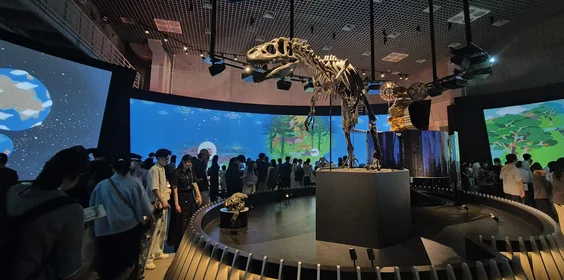
A modernitás és a popkultúra iránt érdeklődők számára a Sibuja kereszteződés jelent kihagyhatatlan állomást, amely a világ legforgalmasabb gyalogos-átkelőhelyeként a modern urbánus káosz és szervezettség tökéletes lenyomata. Az anime, a manga és a legújabb tech-kütyük kedvelői Akihabara elektronikai negyedében találhatják meg a globális szubkultúra fellegvárát. A kortárs művészetet az olyan digitális, immerzív fényművészeti múzeumok képviselik, mint a teamLab kiállításai, amelyek teljesen újraértelmezik a látogató és az alkotás közötti kapcsolatot. Tokió mindezek mellett a világ egyik legfontosabb kulináris fővárosa, amely több Michelin-csillaggal büszkélkedhet, mint bármely más város. A csúcsminőségű szusit kínáló Cukidzsi külső piactól kezdve az Omoide Jokocso sikátorainak apró rámen-bárjaiig minden falat egy külön utazást jelent.
Hogyan marad zöld a világ legnagyobb betonrengetege?
Tokió mint desztináció az elmúlt években kiemelt prioritássá tette, hogy a tömegturizmus negatív hatásait mérsékelje, és a Zero Emission Tokyo program keretében a világ egyik legzöldebb megapoliszává váljon. Ez a törekvés határozottan megjelenik a város infrastrukturális és kulturális stratégiájában is.
A környezetbarát mobilitás terén Tokió tömegközlekedési hálózata világelső, hiszen a metró- és vasútrendszer pontossága és hatékonysága miatt a turisták számára szinte szükségtelen a fosszilis üzemanyagot használó taxik vagy bérautók igénybevétele. A hidrogénhajtású buszok és az elektromos járművek integrációja a városi flottába drasztikusan csökkenti a turizmus karbonlábnyomát. Bár Tokió első ránézésre betonrengetegnek tűnhet, a városvezetés kiemelt figyelmet fordít a városi parkok és a hagyományos japán kertek fenntartására. Az Iparcsászári Palota Keleti Kertjei, a Hamarikju kert vagy a Sinszuku Gjoen nemcsak turisztikai látványosságok, hanem a város tüdejeként működő ökorendszerek, amelyeket szigorú biodiverzitási törvények védenek.
A körkörös gazdaság és a felelős fogyasztás szintén alappillére a helyi turizmusnak. Tokió híres a rendkívül szigorú szelektív hulladékgyűjtési rendszeréről, amelyre edukációs kampányokkal a külföldi látogatók figyelmét is felhívják. A gasztronómiában egyre nagyobb teret hódít a környező prefektúrák és a saját szigetek fenntartható gazdaságaiból származó, szezonális alapanyagokra épülő konyha, amely minimalizálja az élelmiszer-szállítási emissziót. A kulturális fenntarthatóság érdekében a város aktívan támogatja a hagyományos kézművességet, például a textilfestést és az üvegcsiszolást, így a turisztikai bevételek közvetlenül a helyi mesterembereket segítik. Ezzel párhuzamosan a turizmus decentralizációjára törekednek, vagyis a látogatókat a zsúfolt központi tengelyekről a kevésbé ismert külső negyedek és a nyugati hegyvidékek felé orientálják, megóvva ezzel a belváros élhetőségét.
- szerkesztőségi tartalom -
Megközelítés, érkezés
- Biciklivel
- Vasúttal
- (Az utazásra bérelt) busszal
- Hajó
- Hajóval (vitorlás, motoros)
- Motorral
- Autóval
- Repülővel
Közlekedési lehetőségek a desztinációban
- Gyalog
- Biciklivel
- Elektromos biciklivel
- Közösségi buszközlekedéssel
- Motorral
- Autóval
- Metróval
Látnivalók, programok
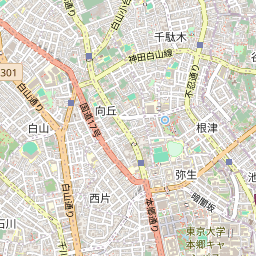
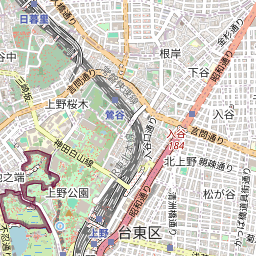
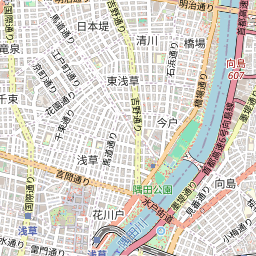
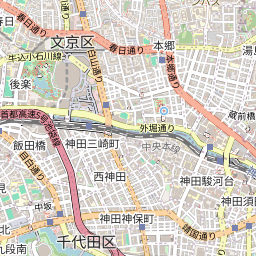
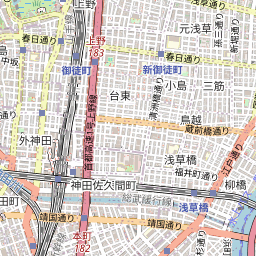
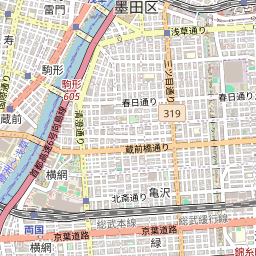
Mit talál itt?
Közösségi közlekedés
Érdemes már a vasútállomáson vagy a repülőtéren megvásárolni a Suica Card-ot, ami a helyi közösségi közlekedést segíti. A kártyára feltöltött összeggel kényelmes a városon belüli utazás - ráadásul Japán már tétségeiben is használható, feltölthető. A metrómegállókban készpénzes és kártyás feltöltésre is lehetőség van általában, az utazás kötlségeit a Google Maps-ban is előre lehet tervezni - a a metróból való kilépéskor a rendszer is mindig jelzi, mekkora összeg áll még a rendelkezésedre az utazáshoz.
- vasút
- busz
- hajó
Parkolási információ
- Fizetős parkolás elérhető
- Fizetős buszparkoló elérhető
- E-bike töltés elérhető
- Őrzött fedett parkoló
- Őrzött nyitott parkoló
- Elektromos autó töltés elérhető (fizetős)