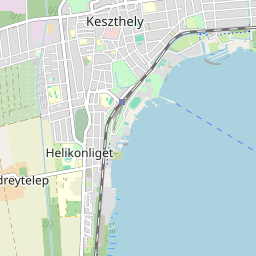
The Fenékpusztai Estate is an experience and cultural centre established on the site of a historically significant 19th-century Festetics stud farm, located just 6 km from Keszthely. The estate was purchased by the Festetics family in 1739 and soon became one of the region's prominent centres for Hungarian horse breeding and equestrian sports. The estate played a key role in the development of domestic racehorse breeding, and the horses bred here gained international fame during the Austro-Hungarian Monarchy.
The Festetics Palace in Keszthely is not only one of Hungary's most visited monuments but also an intellectual hub that has symbolised progress, education, and a love for nature for centuries. For the conscious traveller, this destination represents the meeting point of historical grandeur and exemplary heritage preservation.
In the heart of the “capital of Lake Balaton,” a small artisan workshop in Keszthely crafts handmade chocolates from premium Belgian ingredients. One of their most unique creations features sea buckthorn.
The Kis-Balaton Visitor Centre is a key exhibition site of the Balaton Uplands National Park Directorate, located in the western region of Lake Balaton. It makes the natural values of this internationally significant wetland accessible and engaging for the general public.
In Hungary, only a few people are involved in mustard-making, especially using mustard seeds grown locally as the main ingredient. This is what makes Osgyán Mustard so special, along with the fact that you can try these artisanal products in over twenty different flavours. László Osgyán’s handcrafted mustards are bold yet perfectly complement Hungarian gastronomy. If you love experimenting and tasting exciting flavours, these little jars of golden-yellow sauce are just for you.
VisitBalaton365 was established in April 2024 as the country's first destination management organisation, continuing the year-round work for Lake Balaton that was initiated by the BalatonBike365 visitor management project. The organisation's goal is to act as a bridge between central tourism management and regional and local stakeholders, facilitating the flow of professional information, fostering collaboration, and enhancing the region's tourism competitiveness.
The map loads from Google Maps.
© OpenStreetMap contributors