Tokaji Történelmi Borvidék
A Tokaji Történelmi Borvidék Magyarország egyik legkülönlegesebb kultúrtája: egy olyan táj, ahol a szőlőművelés, a települések szerkezete, a pincék világa és a helyi életmód szorosan egymásra épül. Itt nem pusztán „boros” úti célról van szó, hanem egy komplex élményről: dombok és folyóvölgyek találkozásáról, történelmi mezővárosokról és falvakról, dűlőkről, amelyeknek saját karakterük van, és pincékről, ahol a borvidék múltja szó szerint a falakban van. A világ első zárt borvidéke, amely 2002 óta UNESCO világörökség kultúrtáj kategóriában.
Mitől „tokaji” a tokaji élmény?
Tokaj-Hegyalján a bor nem önmagában áll, hanem helyhez kötött: dűlők, mikroklímák, talajok és évjáratok adják azt a sokszínűséget, amit kóstolás közben is érezni lehet. A borvidék világa egyszerre klasszikus és modern: a hagyományos pincekultúra mellett sok helyen megjelenik a kortárs borkészítés, a látogatóbarát kóstolótér és a minőségi vendéglátás. A legjobb élményt általában az adja, ha nem „túrázod le” a borvidéket, hanem kiválasztasz 1–2 települést és néhány pincét, ahol van idő beszélgetni, megérteni a dűlők logikáját, és tényleg ráhangolódni a tájra.
Programötletek a borvidéken
A borvidék felfedezése nagyon jól építhető tematikára. Lehet belőle kifejezetten borkóstolós hétvége, de ugyanígy működik kulturális és tájélmény-központú programként is.
- Pincelátogatás és kóstoló: vezetett vagy „sétáló” kóstoló, ahol több stílus és több dűlő is összehasonlítható.
- Dűlőséta, panorámapontok: könnyű kirándulások a szőlők között, fotózás, naplementés kilátók.
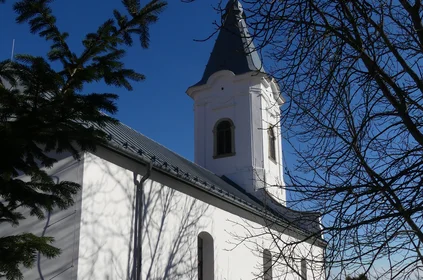
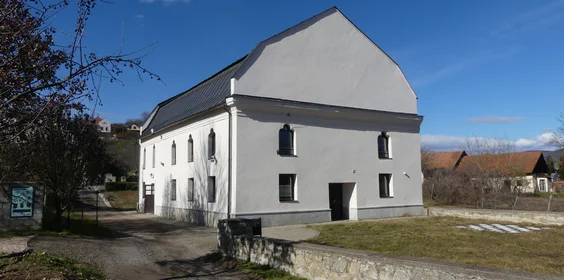
- Településfelfedezés: történelmi belvárosok, templomok, helyi múzeumok, pincesorok.
- Gasztronómia: borhoz hangolt vacsorák, helyi termékek, kézműves ízek.
- Folyóközeli élmények: Tokaj környékén a Bodrog–Tisza világa külön pluszt ad a tájhoz és a ritmushoz.
- Kerékpáros és gyalogos túrák: könnyű hegyvidéki terep, páratlan látványvilág
Mikor érdemes menni?
Tokaj-Hegyalja több évszakban is erős. Tavasszal friss, zöld és nyugodtabb, nyáron hosszú esték és könnyed programok jellemzik, ősszel pedig a borvidék klasszikus, leglátványosabb időszaka jön el a szüreti hangulattal. Télen csendesebb, „pincés” évad: ilyenkor a kulturális és gasztronómiai fókusz kerül előtérbe.
Fenntarthatóság a Tokaji Történelmi Borvidéken
A borvidék értékeinek megőrzése a táj tiszteletén és a mértékletes, tudatos látogatói magatartáson múlik. Turistaként sokat számít, ha lassú tempóban fedezed fel a térséget, és nem próbálsz egy nap alatt túl sok helyszínt „kipipálni”. Érdemes előnyben részesíteni a helyi szolgáltatókat és termékeket, mert ez közvetlenül erősíti a térség gazdaságát és közösségeit. A közlekedésben a rövid, logikus útvonaltervezés csökkenti a felesleges terhelést, a borkóstolók esetében pedig a felelős fogyasztás és a biztonságos hazajutás megtervezése alapelv. A legfenntarthatóbb tokaji élmény általában az, amelyben kevesebb program van, de több figyelem jut a tájra, a történetekre és a helyiek tudására.
- szerkesztőségi tartalom -
Getting there and arrival
- Walk
- Horseback
- Paddling (kayak, canoe, boat)
- Bike
- Electric bicycle
- Railway
- Bus (rented for the trip)
- Boat (sailboat, motorboat)
- Motorcycle
- Car
Transport options in the destination
- Walk
- Horseback
- Paddling (kayak, canoe, boat)
- Bike
- Electric bicycle
- Public bus transportation
- Bus (rented for the trip)
- Boat (sailboat, motorboat)
- Motorcycle
- Car
Sights, programs
All
Accommodations
All
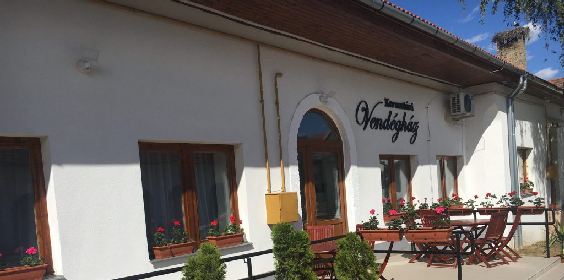
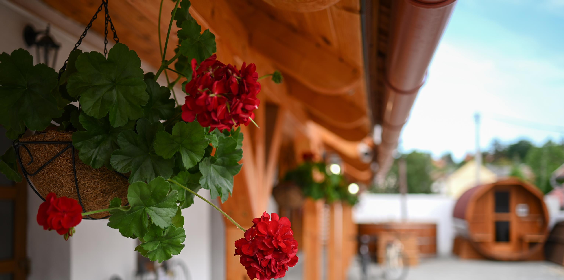
What will you find here?
-
Food/catering
-
-
The Treasure Trove of Bodrogkeresztúr
The Calvinist Church
Former Synagogue
The Wine Region Historical Exhibition of the Tarcal Viticulture and Oenology Research Institute
Church of the Exaltation of the Holy Cross in Tarcal
WineBike Centre
Mád Synagogue
Szerencs Castle
The Acetania Vinegar Museum
The Rákóczi House
Rákóczi Castle
Great Library of the Reformed College of Sárospatak
Philip the stork - stork nests
The Griffin Well
Greek Catholic Church
The former Széchenyi-Wolkenstein Castle
Village Hall
Roman Catholic Church
The Rabbinic House
The statue of the Hungarian prince Ferenc Rákóczi II.
Routes featuring this destination


View route

View route


View route


View route
Public transport
- railway
- bus