
Former Synagogue
According to the census of 1723-24, there were already 7 Jewish families living in Bodrogkeresztúr, and their number increased steadily during the 18th century. The strengthening of the community and the religious life is shown by the fact that the first rabbi of the Jewish community of Pest, Israel Wahrmann, was the rabbi of Bodrogkeresztúr prior to 1765, and there are records from the same year that the Bodrogkeresztúr fair was visited by Jewish merchants from Pest county. A few decades later, in 1786, 256 Jewish inhabitants were recorded in the settlement, in 65 households.
- Cash
- Free outdoor parking available
More information
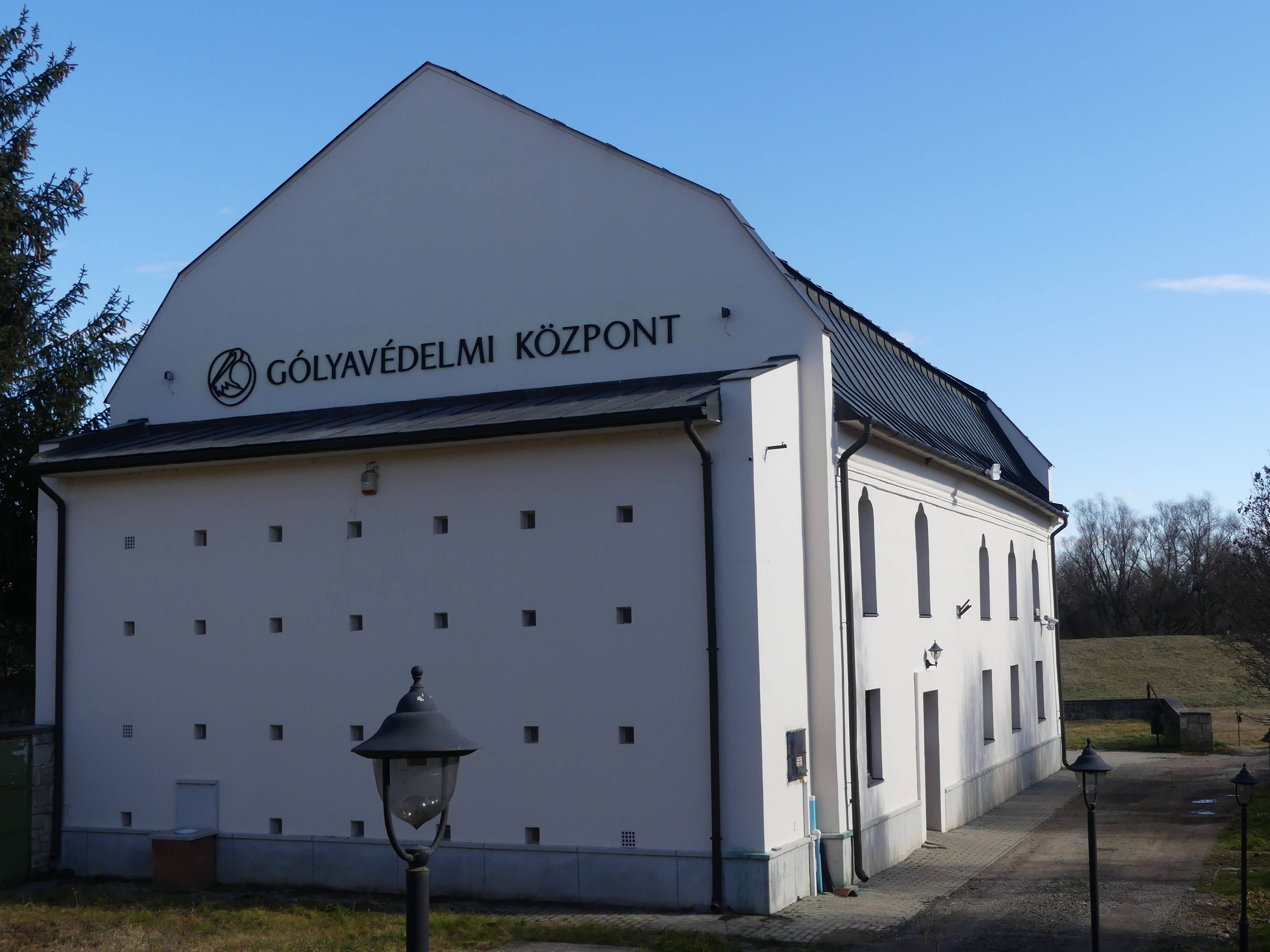
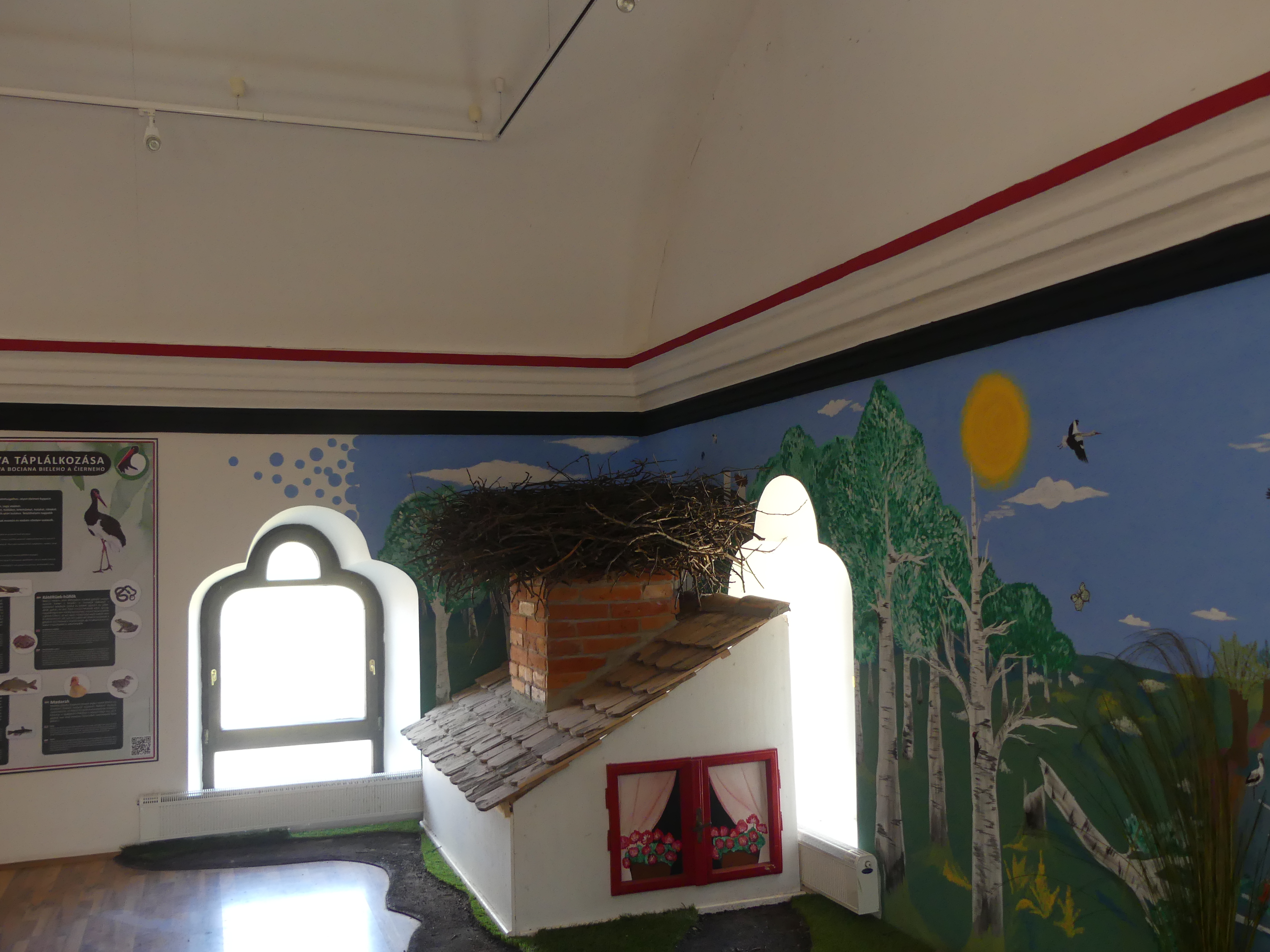
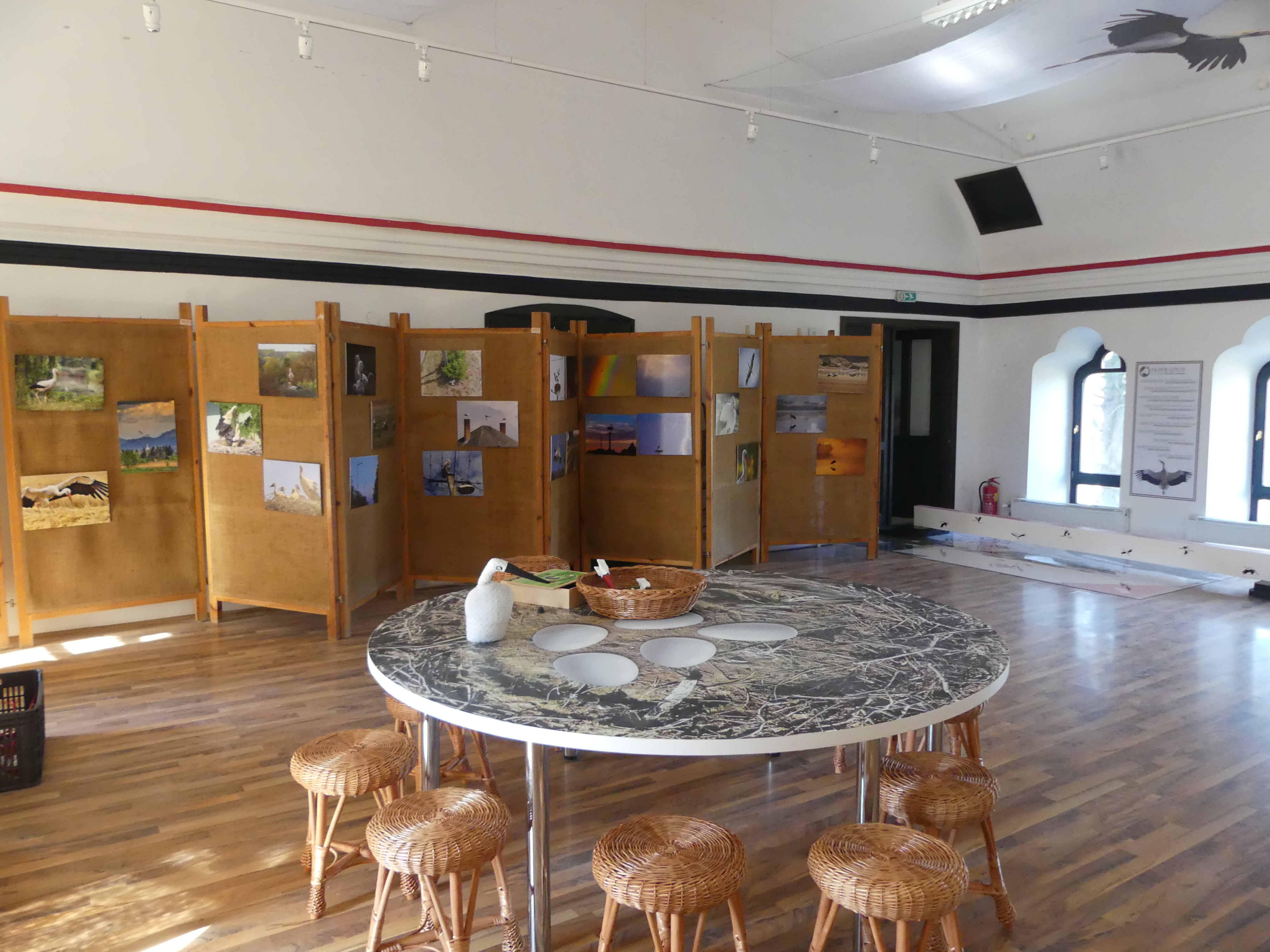
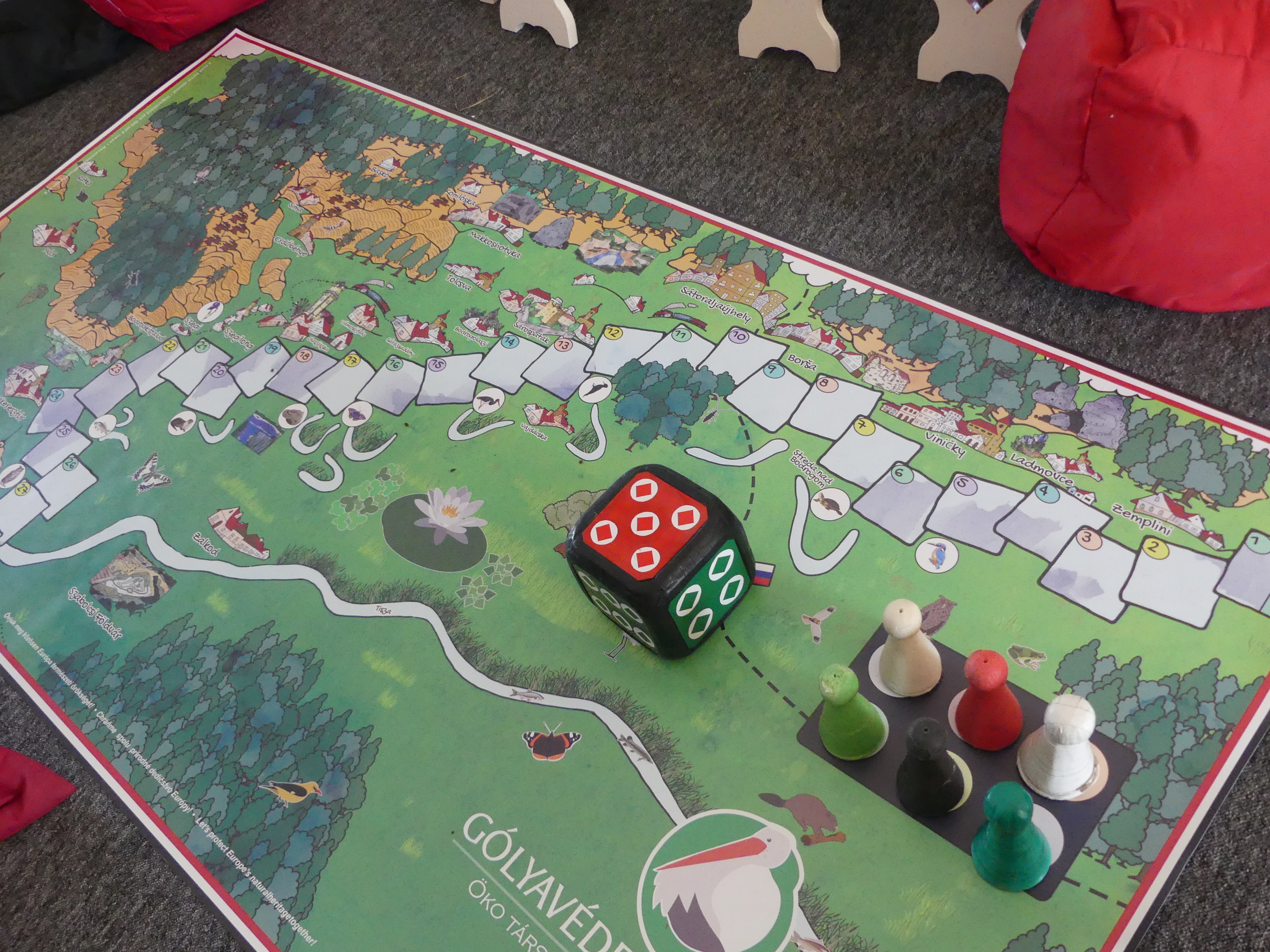
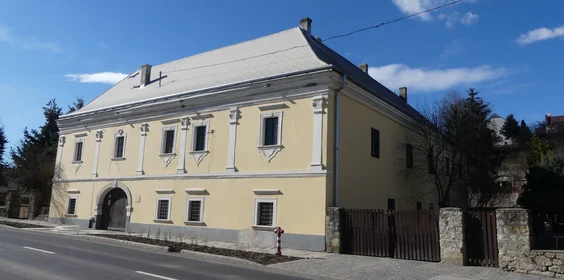
According to the census of 1723-24, there were already 7 Jewish families living in Bodrogkeresztúr, and their number increased steadily during the 18th century. The strengthening of the community and the religious life is shown by the fact that the first rabbi of the Jewish community of Pest, Israel Wahrmann, was the rabbi of Bodrogkeresztúr prior to 1765, and there are records from the same year that the Bodrogkeresztúr fair was visited by Jewish merchants from Pest county. A few decades later, in 1786, 256 Jewish inhabitants were recorded in the settlement, in 65 households. The Jewish school was started to be built after Joseph II's 1782 Edict of Tolerance, so one of the first public Jewish schools in Hungary started its operation in Bodrogkeresztúr in 1785, the same year when the first public Jewish school was started in Miskolc. The Bodrogkeresztúr Jewish school had a total of 25 pupils in grades 1 and 2, with Rabbi Eliezer London as the local supervisor and Philip Lőrre as the teacher. This school moved to the village of Mád in 1788. In the 18th century, the Jews were mostly land tenants, but there is evidence from Bodrogkeresztúr that Jewish vineyard owners also lived in the settlement, in 1771 26 acres of vineyards were cultivated by Jewish owners. There were two Jewish synagogues in Zemplén county in the third quarter of the 18th century. One synagogue was certainly in operation in Bodrogkeresztúr in 1767, the other in Mád in 1771. However, since there were 36 Jewish land tenants in Keresztúr and 48 in Mád in 1771, plus also 54 in Tolcsva at the same time, it is likely that the Jewish inhabitants of Tolcsva may also have had a synagogue. Later on 3 synagogues operated in the village. The former neologue synagogue, still visible today, was built in 1809 with its five windows with large cloverleaf decoration and its block line mansard roof. Today, the building is a tourist center and a stork conservation centre.
Target group
-
Class trips
-
Families with younger children
-
Families with older children
-
Multigenerational programs
Sights, programs
All

Parking information
- Free outdoor parking available
Routes featuring this place

View route