Let’s not wait for our rivers to run dry: act on Earth Overshoot Day for the future of travel!
Imagine your bank deposits a set amount into your account at the start of the year, meant to last twelve months. However, today you spend the very last penny, leaving you to rely on credit for the rest of the year. This is exactly what is happening to our planet right now. We’ve reached Earth Overshoot Day, which marks the point when humanity has used up all the renewable resources the Earth can generate in a year. We don’t have to look far to see the consequences: the scorching heatwave that has lasted for days, record-breaking temperatures, and the critically low, alarming water levels of the Danube all show that nature’s warning signs are now burning into our own skin.
But let’s clarify the most important thing: today is not about a one-day campaign. Earth Overshoot Day is not the goal but a loud wake-up call. It highlights that there’s a problem, and our real task is to live, travel, and do business in a way that resources last for the other 364 days of the year too.
Many people believe that tourism and sustainability are mutually exclusive concepts, as travel inevitably consumes resources, requires water, and generates carbon emissions. This concern is valid if we think of the old, exploitative tourism model. However, tourism holds immense community and economic potential: if done right, travel can support local values, culture, and environmental protection every single day of the year, rather than depleting nature. The question isn’t whether we should travel, but how.
Steps for the conscious traveller to drive change
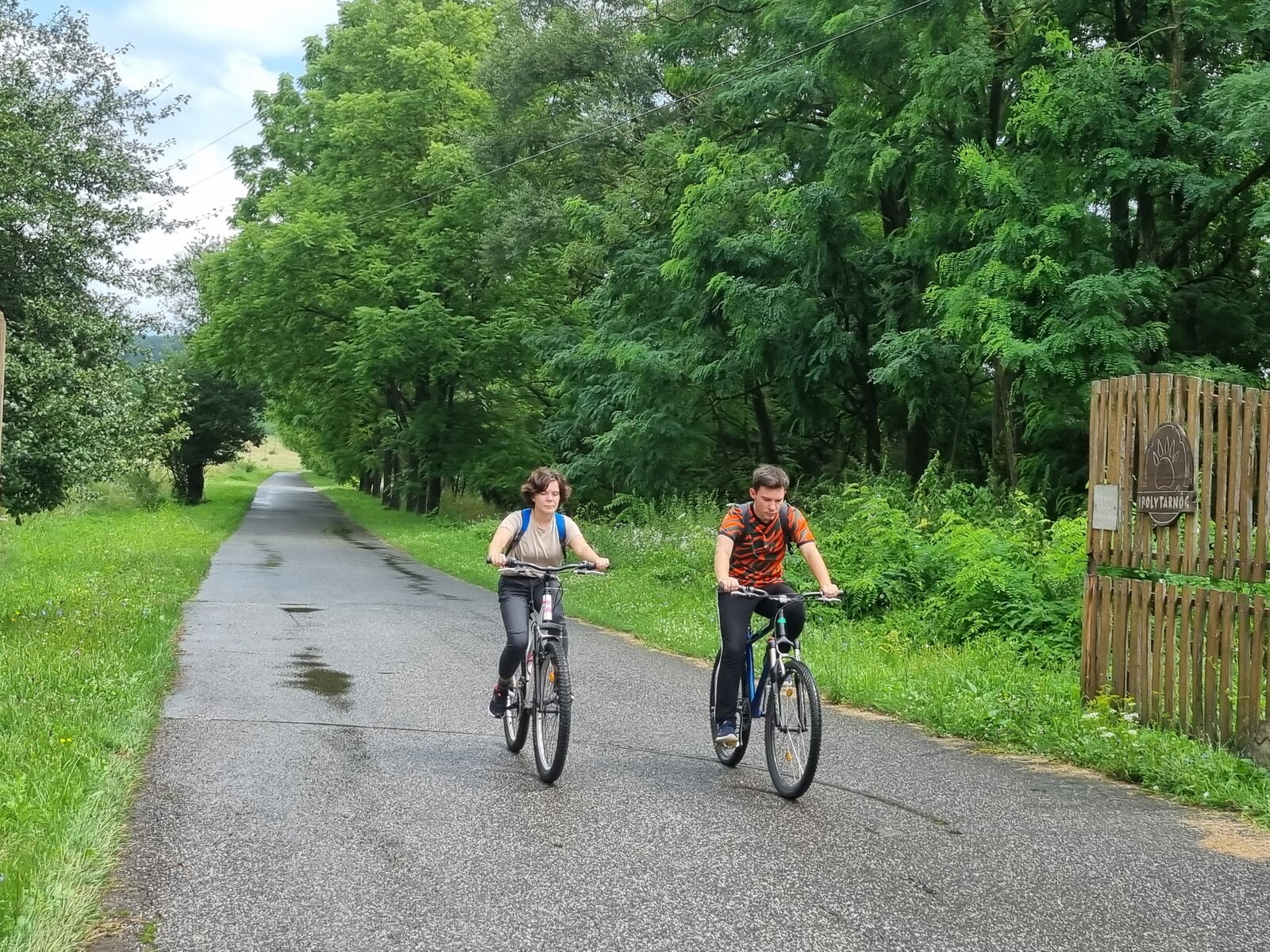
Travel shouldn’t be about exploiting the environment; in fact, a smaller ecological footprint often leads to more unforgettable and authentic experiences. Instead of rushing through multiple destinations, the philosophy of slow travel offers a solution to the sustainability crisis. By immersing ourselves deeply in a single region, we not only drastically reduce transport-related emissions but also build genuine connections with the place. Letting go of cars, choosing to walk, cycle, or use public transport reveals hidden gems that we’d never notice from a vehicle rushing through the heat.
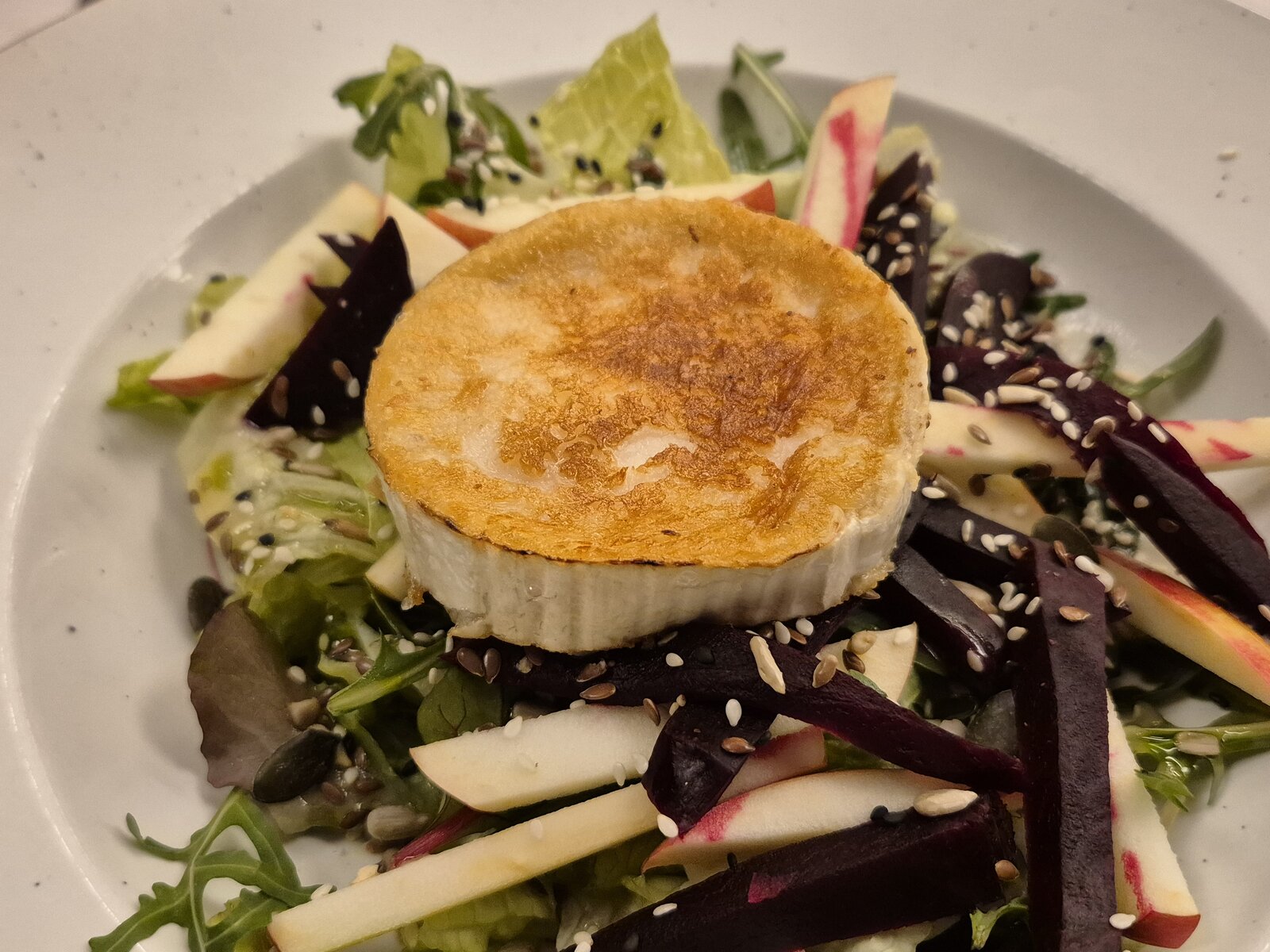
A responsible traveller supports and protects local communities through their choices. Dining in small restaurants that use ingredients from local producers instead of international chains, buying from local artisans, or hiring local guides ensures that our money stays directly with the host community. This decision not only shortens the supply chain for food but also significantly reduces environmental impact.
Conscious presence continues within the walls of accommodation, where water and energy are now our most precious resources. Reducing the frequency of linen and towel changes, using air conditioning sensibly and sparingly, and conserving water are essential in a time when our rivers are drying up. Additionally, using our own refillable bottles and reusable shopping bags can easily prevent most of the plastic waste generated during travel.

The responsibilities and tasks of tourism service providers
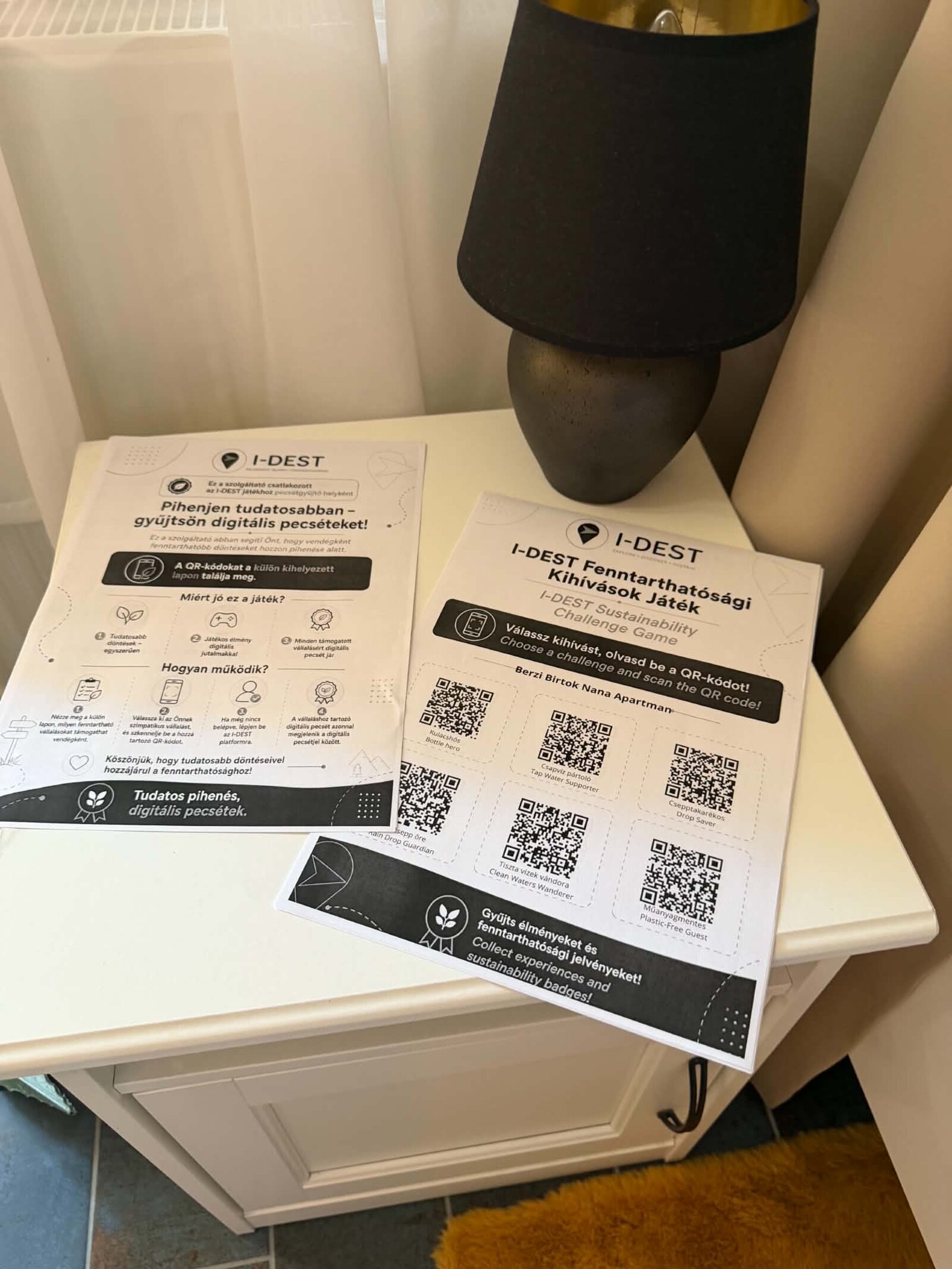
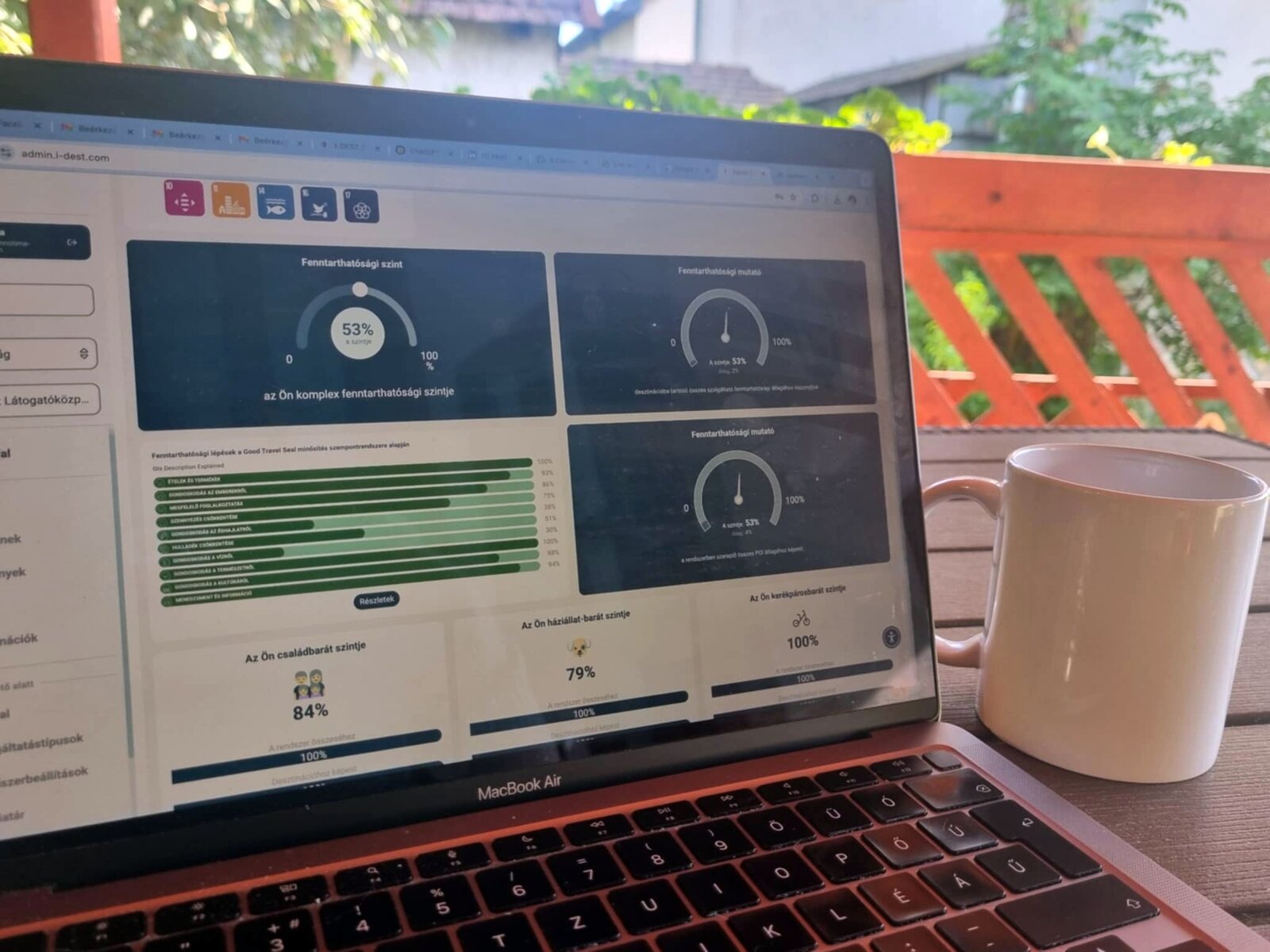
As accommodation providers, restaurant owners, or event organisers, we have a huge influence on the ecological footprint our guests leave behind. During times of drought and energy crises, improving efficiency starts with installing energy-saving LED lighting and water-saving aerators. The real breakthrough comes with transitioning to renewable energy sources, such as solar panels, utilising greywater, and adopting smart cooling systems, which not only protect the environment but also reduce operational costs for businesses.
In gastronomy, building short supply chains is one of the most impactful actions. Sourcing vegetables, baked goods, and meats from nearby producers guarantees freshness and eliminates unnecessary transportation. Rethinking the menu is also crucial: increasing the proportion of plant-based dishes with smaller water and ecological footprints, and reducing buffet waste by offering portioned or made-to-order meals, significantly lessens the sector’s impact.
Service providers must lead by example in waste reduction and guest engagement. Phasing out single-use plastics entirely and using refillable dispensers are important, but the key is sensitively encouraging guests to take action. Positive, action-oriented messages – such as calls to protect local water sources – have been proven to increase guest cooperation, presenting sustainability not as a sacrifice but as a shared mission.

Act not just today, but every day of the year!
Earth Overshoot Day is just one date on the calendar, but our task spans the entire year. The current heatwave and images of drying riverbeds should not paralyse us with fear but inspire continuous action. We can disprove the myth that travel only causes harm: by consciously choosing destinations, accommodation, or even dinner options every day of the year, we can transform tourism into a lasting tool for protecting nature. Let’s change our habits today and carry this mindset into tomorrow and beyond!

More News
All-
3 Mins

Read -
5 Mins

Read -
4 Mins

Read -
4 Mins

Read -
4 Mins

Read -
3 Mins

Read -
3 Mins
Read -
5 Mins

Read -
6 Mins

Read -
3 Mins

Read -
3 Mins

Read -
3 Mins

Read -
7 Mins

Read -
19 Mins
Read -
7 Mins

Read -
8 Mins

Read -
5 Mins

Read -
4 Mins

Read -
7 Mins

Read -
5 Mins

Read -
3 Mins

Read -
4 Mins

Read -
3 Mins

Read -
3 Mins

Read -
3 Mins
Read -
12 Mins

Read -
4 Mins
Read -
4 Mins

Read -
4 Mins

Read -
4 Mins

Read -
5 Mins
Read -
4 Mins

Read -
3 Mins

Read -
8 Mins

Read -
4 Mins
Read -
6 Mins

Read -
4 Mins

Read -
5 Mins

Read -
6 Mins

Read -
5 Mins

Read -
3 Mins

Read -
7 Mins

Read -
7 Mins

Read -
5 Mins

Read -
6 Mins

Read -
6 Mins

Read -
3 Mins

Read -
3 Mins

Read -
10 Mins

Read -
6 Mins

Read -
5 Mins

Read -
4 Mins

Read -
5 Mins

Read -
4 Mins

Read -
6 Mins

Read -
7 Mins

Read -
5 Mins

Read -
3 Mins

Read -
4 Mins

Read -
4 Mins

Read -
4 Mins

Read -
6 Mins

Read -
3 Mins

Read -
1 Mins

Read -
2 Mins

Read -
2 Mins

Read -
3 Mins

Read -
3 Mins

Read