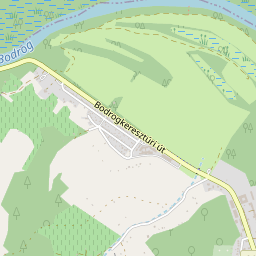
Bodrogkeresztúr
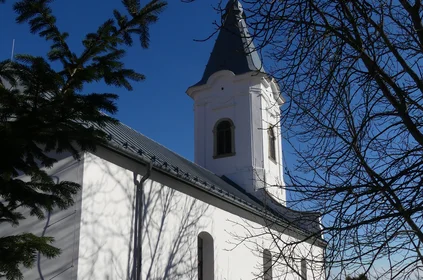
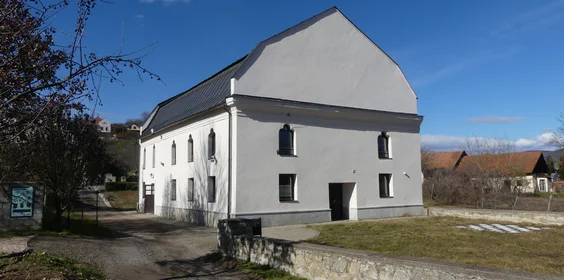
The history of the town dates back to ancient times, and it was named after a church dedicated to the Holy Cross. The name Bodrogkeresztúr first appeared in a charter from 1239. From 1411, the village became part of the Tokaj castle estate, with notable owners including János Garai, György Brankovics, János Hunyadi and his wife, and later Matthias Hunyadi, who pledged the settlement to Imre Szapolyai.
In urbariums from 1517 and 1520, Bodrogkeresztúr is already mentioned as a market town, with a population that exceeded that of Tokaj at the time. Although records indicate that the Turks destroyed it before 1567, the settlement was soon rebuilt, and its economic and social life revived.
By the 17th century, Bodrogkeresztúr held four national fairs annually, operated a daily market, maintained a butcher’s shop, had the right to sell wine, elected its own judges, and even held the right of the sword. Among its landowners were István Bocskai, Gábor Báthory, and the Rákóczi family.
After the fall of the War of Independence led by Ferenc Rákóczi II, the settlement entered the 18th century economically exhausted and plundered. Nevertheless, thanks to viticulture, winemaking, and the resilient work of its inhabitants, Bodrogkeresztúr managed to recover.
In the 19th century, with the dissolution of market towns, Bodrogkeresztúr transitioned into a village.
前往方式
- 步行
- 骑马
- 划船(皮划艇、独木舟、小船)
- 骑自行车
- 电动自行车
- 火车
- 租赁巴士
- 船只
- 船只(帆船、摩托艇)
- 摩托车
- 驾车
到达
- 步行
- 骑马
- 骑自行车
- 电动自行车
- 摩托车
- 驾车
景点、活动
全部
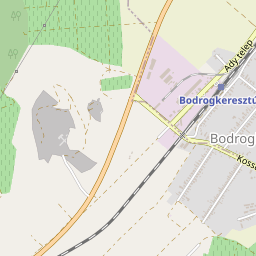
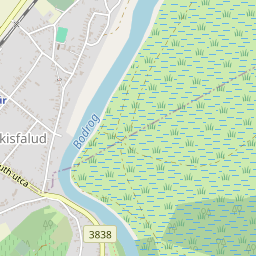
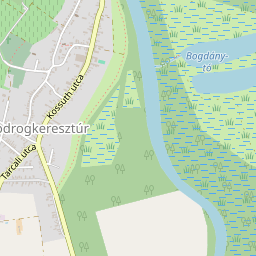
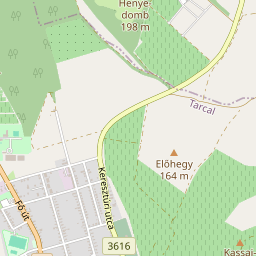
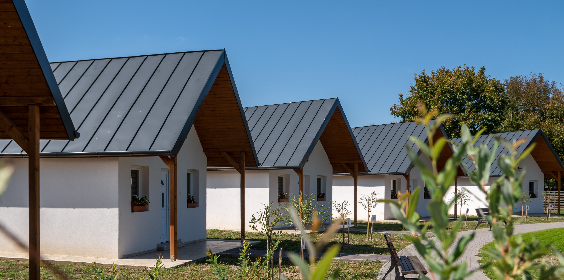
住宿
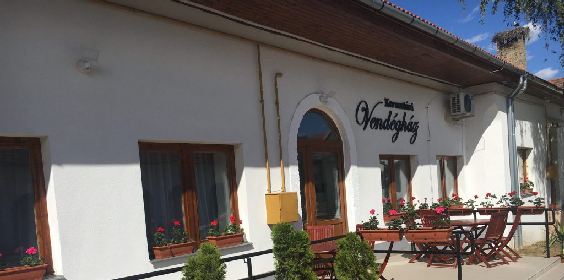
您在这里能找到什么?
-
餐饮/外卖
途经此目的地的路线


查看路线

查看路线

查看路线
公共交通
- 火车
- 公交车
- 船
停车信息
- 可用免费室外停车场
- 可用免费巴士停车场
可持续性现状报告
主题 1:目的地管理 54%
- 游客管理: 3/5 80%
- 承诺和组织: 1/4 25%
- 设计和开发: 1/6 17%
- 监测和报告: 2/4 50%
- 法律和道德合规性: 2/2 100%
主题 2:自然和景观 80%
- 自然与野生动物保护: 3/3 100%
- 自然与保护: 3/5 60%
主题 3:环境和气候 42%
- 土地使用和污染: 1/3 33%
- 水资源管理: 2/5 40%
- 能源、可持续流动性和气候变化: 2/7 29%
- 适应气候变化: 1/2 50%
- 废物和回收: 3/5 60%
主题 4:文化和传统 100%
- 文化遗产: 3/3 100%
- 人民和传统: 4/4 100%
主题 5:社会福利 75%
- 健康与安全: 1/2 50%
- 当地经济: 4/5 90%
- 社会经济影响: 1/2 50%
- 社区参与: 4/4 100%
- 人类尊严: 6/7 86%
主题 6:商业与沟通 61%
- 商业参与: 2/9 22%
- 信息和营销: 3/3 100%