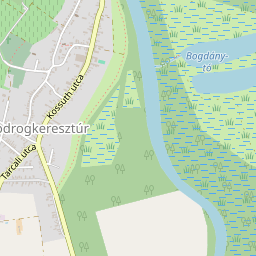
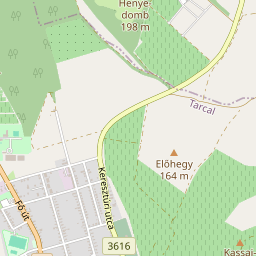
Bodrogkeresztúr
The history of the town dates back to ancient times, and it was named after a church dedicated to the Holy Cross. The name Bodrogkeresztúr first appeared in a charter from 1239. From 1411, the village became part of the Tokaj castle estate, with notable owners including János Garai, György Brankovics, János Hunyadi and his wife, and later Matthias Hunyadi, who pledged the settlement to Imre Szapolyai.
In urbariums from 1517 and 1520, Bodrogkeresztúr is already mentioned as a market town, with a population that exceeded that of Tokaj at the time. Although records indicate that the Turks destroyed it before 1567, the settlement was soon rebuilt, and its economic and social life revived.
By the 17th century, Bodrogkeresztúr held four national fairs annually, operated a daily market, maintained a butcher’s shop, had the right to sell wine, elected its own judges, and even held the right of the sword. Among its landowners were István Bocskai, Gábor Báthory, and the Rákóczi family.
After the fall of the War of Independence led by Ferenc Rákóczi II, the settlement entered the 18th century economically exhausted and plundered. Nevertheless, thanks to viticulture, winemaking, and the resilient work of its inhabitants, Bodrogkeresztúr managed to recover.
In the 19th century, with the dissolution of market towns, Bodrogkeresztúr transitioned into a village.
Como chegar
- A pé
- Com um cavalo
- Remo (caiaque, canoa, barco)
- De bicicleta
- De bicicleta elétrica
- De trem
- De ônibus (alugado para a viagem)
- Barco
- De barco (veleiro, lancha)
- De moto
- De carro
Chegada
- A pé
- Com um cavalo
- De bicicleta
- De bicicleta elétrica
- De moto
- De carro
Atrações, programas
Todos
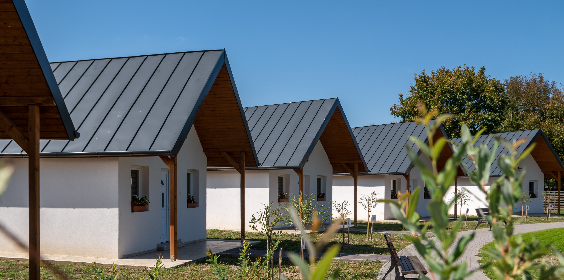
Acomodações
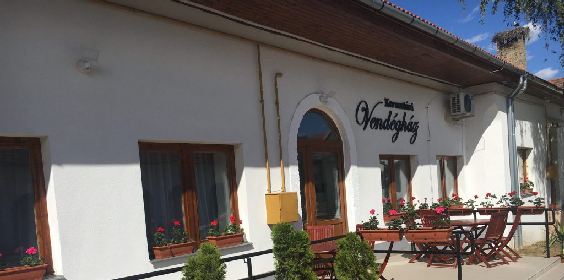
O que você encontrará aqui?
-
Alimentação/Catering
-
-
O Tesouro de Bodrogkeresztúr
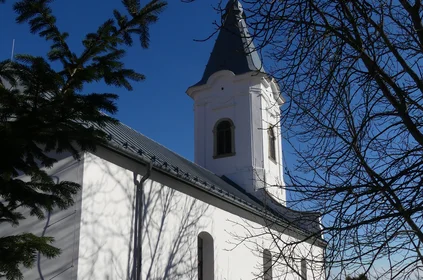
A Igreja Calvinista
Centro de Proteção das Cegonhas
Acetánia
A Casa Rákóczi
Fülöp, a cegonha - ninhos de cegonha em Bodrogkeresztúr
Fonte Griff, Bodrogkeresztúr
Igreja Greco-Católica de São Jorge, o Grande Mártir
O castelo Széchenyi-Wolkenstein em Bodrogkeresztúr
Prefeitura da Vila
Igreja Católica Romana
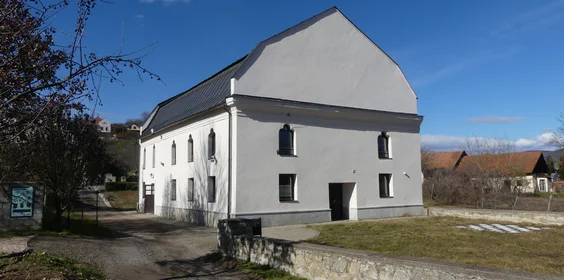
A Casa Rabínica
A estátua do príncipe húngaro Ferenc Rákóczi II.
Rotas com este destino

Ver rota


Ver rota

Ver rota
Transporte público
- ferrovia
- ônibus
- enviar
Informações de estacionamento
- Estacionamento externo gratuito disponível
- Estacionamento gratuito para ônibus disponível
Relatório de status de sustentabilidade
Tópico 1: Gestão de Destinos 54%
- Gerenciamento de visitantes: 3/5 80%
- Compromisso e organização: 1/4 25%
- Design e desenvolvimento: 1/6 17%
- Monitoramento e relatórios: 2/4 50%
- Conformidade legal e ética: 2/2 100%
Tópico 2: Natureza e paisagem 80%
- Proteção da natureza e da vida selvagem: 3/3 100%
- Natureza e conservação: 3/5 60%
Tópico 3: Meio ambiente e clima 42%
- Uso da terra e poluição: 1/3 33%
- Gestão de água: 2/5 40%
- Energia, mobilidade sustentável e mudanças climáticas: 2/7 29%
- Adaptação às mudanças climáticas: 1/2 50%
- Resíduos e reciclagem: 3/5 60%
Tópico 4: Cultura e tradições 100%
- Patrimônio cultural: 3/3 100%
- Pessoas e tradições: 4/4 100%
Tópico 5: Bem-estar social 75%
- Saúde e segurança: 1/2 50%
- Economia local: 4/5 90%
- Impactos socioeconômicos: 1/2 50%
- Participação da comunidade: 4/4 100%
- Dignidade humana: 6/7 86%
Tópico 6: Negócios e comunicação 61%
- Participação empresarial: 2/9 22%
- Informações e marketing: 3/3 100%