Bodrogkeresztúr
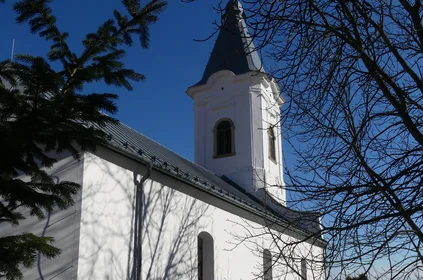
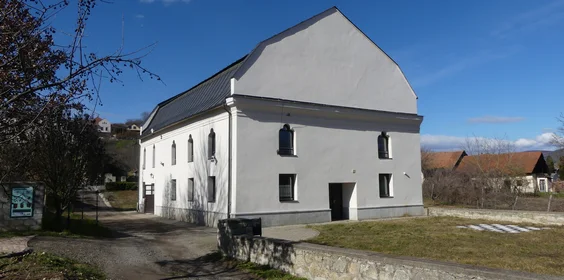
The history of the town dates back to ancient times, and it was named after a church dedicated to the Holy Cross. The name Bodrogkeresztúr first appeared in a charter from 1239. From 1411, the village became part of the Tokaj castle estate, with notable owners including János Garai, György Brankovics, János Hunyadi and his wife, and later Matthias Hunyadi, who pledged the settlement to Imre Szapolyai.
In urbariums from 1517 and 1520, Bodrogkeresztúr is already mentioned as a market town, with a population that exceeded that of Tokaj at the time. Although records indicate that the Turks destroyed it before 1567, the settlement was soon rebuilt, and its economic and social life revived.
By the 17th century, Bodrogkeresztúr held four national fairs annually, operated a daily market, maintained a butcher’s shop, had the right to sell wine, elected its own judges, and even held the right of the sword. Among its landowners were István Bocskai, Gábor Báthory, and the Rákóczi family.
After the fall of the War of Independence led by Ferenc Rákóczi II, the settlement entered the 18th century economically exhausted and plundered. Nevertheless, thanks to viticulture, winemaking, and the resilient work of its inhabitants, Bodrogkeresztúr managed to recover.
In the 19th century, with the dissolution of market towns, Bodrogkeresztúr transitioned into a village.
アクセス方法
- 徒歩
- 馬
- 漕ぐ(カヤック、カヌー、小舟)
- 自転車
- 電動自転車
- 鉄道
- 貸切バス
- ボート
- ボート(帆船、モーター)
- バイク
- 車
到着
- 徒歩
- 馬
- 自転車
- 電動自転車
- バイク
- 車
観光名所、プログラム
すべて
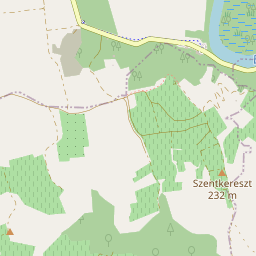
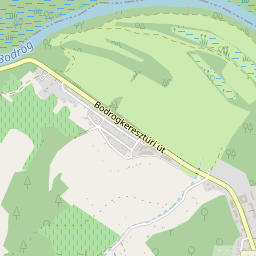
宿泊施設
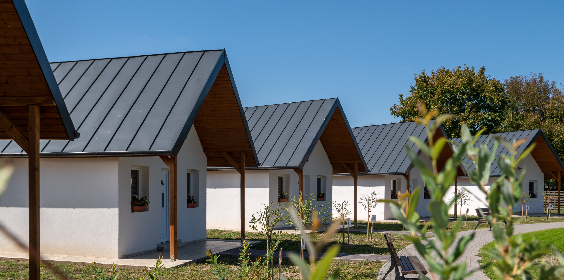
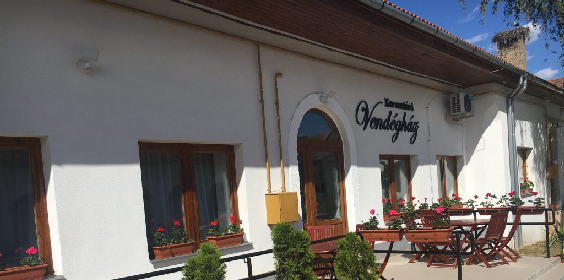
ここで何が見つかりますか?
-
飲食/ケータリング
この目的地を含むルート


ルートを見る


ルートを見る

ルートを見る
公共交通機関
- 列車
- バス
- 船
駐車情報
- 無料の屋外駐車場が利用可能
- 無料のバス駐車場が利用可能
持続可能性状況レポート
トピック 1: 観光地管理 54%
- 訪問者管理: 3/5 80%
- コミットメントと組織: 1/4 25%
- 設計と開発: 1/6 17%
- 監視と報告: 2/4 50%
- 法律および倫理の遵守: 2/2 100%
トピック 2: 自然と景観 80%
- 自然と野生動物の保護: 3/3 100%
- 自然と保護: 3/5 60%
トピック 3: 環境と気候 42%
- 土地利用と汚染: 1/3 33%
- 水管理: 2/5 40%
- エネルギー、持続可能なモビリティ、気候変動: 2/7 29%
- 気候変動への適応: 1/2 50%
- 廃棄物とリサイクル: 3/5 60%
トピック 4: 文化と伝統 100%
- 文化遺産: 3/3 100%
- 人々と伝統: 4/4 100%
トピック 5: 社会福祉 75%
- 健康と安全: 1/2 50%
- 地域経済: 4/5 90%
- 社会経済的影響: 1/2 50%
- コミュニティの参加: 4/4 100%
- 人間の尊厳: 6/7 86%
トピック 6: ビジネスとコミュニケーション 61%
- 企業の参加: 2/9 22%
- 情報とマーケティング: 3/3 100%