Hollókő Castle
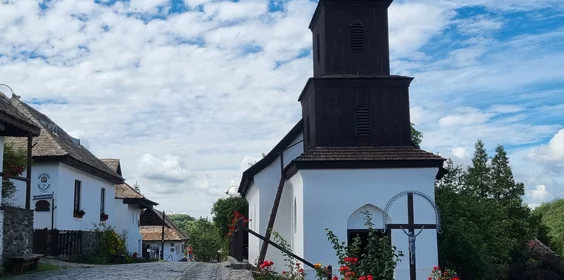
Hollókő Castle, rising among the hills of the Cserhát, is one of the country's most iconic medieval fortresses. Its construction began in the late 13th century, shortly after the Mongol invasion, thanks to the Kacsics clan. The primary purpose of the fortress was to protect the surrounding area and important trade routes. Over the centuries, ownership of the castle changed frequently: it was held by Máté Csák, Charles Robert, and later the Szécsényi family. During the Ottoman occupation, it served as a strategic border fortress, changing hands multiple times until the early 18th century, when, like many other Hungarian castles, it was partially demolished by order of Emperor Leopold I following the Rákóczi War of Independence. Thanks to extensive reconstructions carried out in the late 20th and early 21st centuries, it can now be visited in its full splendour, showcasing the everyday life of the knightly era.
- SZÉP card accepted
- Cash
- Bank card accepted
- Paid parking available
Legends surrounding the origins of the castle and village
According to local folklore, the name and construction of the castle are linked to a love story. The legend tells that András Kacsics, the lord of the area, kidnapped the beautiful daughter of a neighbouring nobleman and locked her in one of the rooms of the castle under construction. However, the girl's nurse was a witch who made a pact with the devil. On the devil's orders, his sons, in the form of ravens, carried away the stones used for construction every night until the girl was freed. Another version of the story claims that the ravens carried the stones to a nearby basalt rock, where the present-day castle was eventually built – hence the name Hollókő, meaning 'Raven Rock'. This mystical background still lends a unique atmosphere to the site, intertwining historical facts with the imaginative world of the Palóc people.

Geotourism values and the region's geology
Hollókő and its surroundings are outstanding not only from a cultural but also a geological perspective. The castle rests on a striking andesite ridge, the result of Miocene volcanic activity. This dark grey, hard volcanic rock defines the character of the landscape and was also used as a building material. The nature trails around the castle reveal the geomorphological values of the region, where visitors can observe the natural weathering of rocks and the diversity of volcanic formations. The rolling hills of the Cserhát and the protected natural areas offer excellent opportunities for geotourism enthusiasts to understand the volcanic past of the Carpathian Basin and the formation of rock layers.
Contribution to sustainable tourism
Hollókő Castle and the Old Village below it serve as exemplary models for sustainable destination management. As part of the UNESCO World Heritage, the site's main virtue is promoting 'slow tourism', which focuses on quality experiences, respect for local values, and environmental preservation, as opposed to mass tourism. The maintenance of the castle places great emphasis on preserving traditional craftsmanship and employing local labour, strengthening the economic stability of the community. When designing visitor routes, care is taken to minimise the impact on natural areas, while educational programmes aim to foster environmental awareness. Hollókő authentically demonstrates that balancing the preservation of historical heritage with modern ecological expectations can provide a sustainable and attractive tourist experience in the long term.
- editorial content -
Target group
-
Class trips
-
Families with younger children
-
Families with older children
-
Multigenerational programs
-
Friends
-
Seniors
-
Couples
Other services
Sights, programs
All
Parking information
- Paid parking available