Hollókő Old Village
In 1987, Hollókő Old Village became the first rural location in the world to be added to the UNESCO World Heritage list. This recognition was based on the architectural unity of the settlement: the village centre, consisting of 67 protected houses, faithfully preserves the folk architecture of the 17th and 18th centuries.
- Paid parking available
What makes it special is that it is not an artificially created museum village but a living settlement where Palóc traditions, attire, and dialect are part of everyday life. The wooden-towered, shingle-roofed Catholic church and the whitewashed, porch-fronted houses are among the purest historical imprints of the Hungarian countryside.
Experiences and Attractions in the Old Village
Visitors are taken on a journey back in time: walking along the cobbled streets, they can get a glimpse behind the scenes of rural life. The Village Museum, the Post Museum, and various craft workshops – such as the weaving house or the potter's house – showcase old trades in an interactive way. Food enthusiasts can taste the famous Palóc soup or the local curd cheese pastry in the village's restaurants. The most spectacular event in the village is the Easter Festival, when locals don their ornate, embroidered folk costumes, and old traditions, such as the bucket water sprinkling, come to life.
The Legend: How Did Hollókő Get Its Name?
The birth of the village and its castle is intertwined with a mystical story. According to legend, the lord of the neighbouring castle kidnapped the beautiful daughter of a nobleman and locked her in the tower of the castle under construction. However, the girl's nurse was a witch who made a pact with the devil to free her. The devil's sons turned into ravens and, under the cover of night, carried away the building stones of the castle. They placed the stones on a basalt rock not far away, where a new fortress was eventually built. The locals named the place Hollókő (Raven Stone) in memory of the carried-away stones and the helpful birds.
Geotourism and the Novohrad-Nógrád Geopark
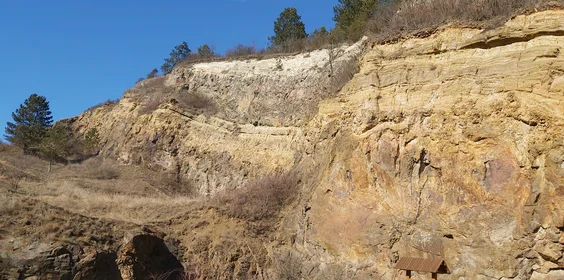
The natural environment of Hollókő is just as valuable as its built heritage. The settlement is a proud member of the Novohrad-Nógrád Geopark, the world's first cross-border geopark. This network aims to preserve the region's geological diversity and geological heritage. The nature trails around the village showcase traces of volcanic activity and unique rock formations. As part of the geopark, Hollókő is not only a cultural but also a scientific and educational hub where visitors can learn about the millions-of-years-old history of the landscape's formation.
Its Role in Sustainable Tourism
The village is a pioneer of sustainable tourism in Hungary. During developments, the primary focus is on maintaining carrying capacity: the goal is not mass tourism but value-preserving visits. The local economy is based on local products and services, minimising the ecological footprint. The unspoiled nature conservation area, the preservation of traditional farming practices, and community-based tourism (where revenue stays in the village for its preservation) make Hollókő a model destination aligned with the I-DEST.com philosophy.
- editorial content -
Target group
-
Class trips
-
Families with younger children
-
Families with older children
-
Multigenerational programs
-
Friends
-
Seniors
-
Couples
Other services
Sights, programs
All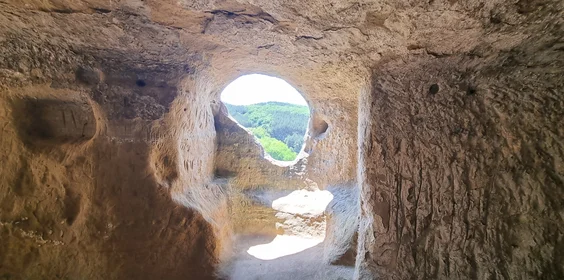
Parking information
- Paid parking available