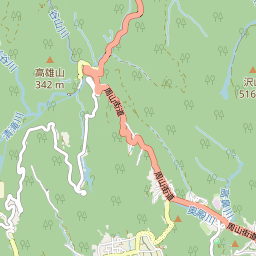
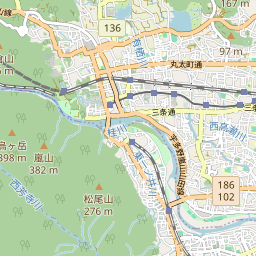
Located at the foot of the mountains on the western edge of Kyoto, the iconic path of the Arashiyama district offers one of the world's most unique natural and acoustic experiences. The ethereal light filtering through the towering bamboo stalks and the gentle rustling sound of the trunks swaying in the wind create an atmosphere so special that Japan's Ministry of the Environment has included it on the list of the '100 Soundscapes of Japan'. This green corridor is not just a visual wonder but a living intersection of nature and history, addressing some of the most pressing questions of sustainable tourism today.
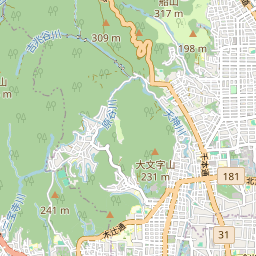
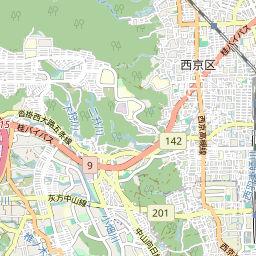
Located in the southern part of Kyoto, at the foot of Mount Inari, Fushimi Inari-taisha is one of Japan's most ancient, spectacular, and spiritually significant shrine complexes. The mysterious tunnels formed by thousands of vibrant orange-vermilion torii gates and the stone statues guarding the shrine grounds offer an unparalleled experience. This site is not only one of the most important centres of the Japanese Shinto religion but also a key testing ground for modern tourism, where millennia-old traditions meet the challenges of sustainability.
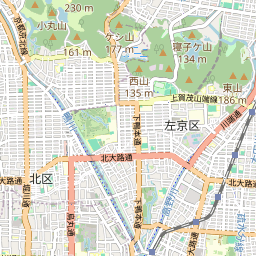
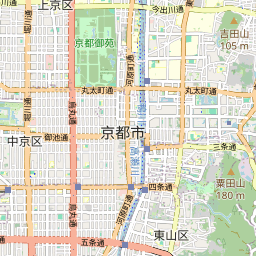
Nestled at the foot of Kyoto's northern hills, floating above a mirror-like pond, shines one of Japan's most iconic and captivating architectural wonders, Kinkaku-ji (金閣寺), commonly known as the Golden Pavilion of Kyoto. Officially named Rokuon-ji, this Zen Buddhist temple is not only a perfect symbiosis of Japanese aesthetics and nature but also a living heritage that sheds light on today's most pressing challenges and solutions in sustainable tourism.
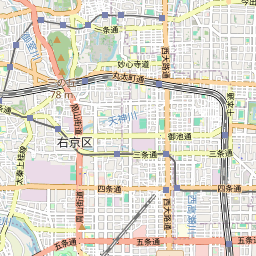
In the heart of Kyoto, surrounded by massive stone walls and moats, stands the famous Nijō Castle (Nijō-jō), the former Kyoto residence of the Tokugawa shogunate. While most Japanese castles across the country were primarily towering military fortresses, Nijō Castle is a sprawling, magnificent palace complex that reflects the raw power, accumulated wealth, and refined artistic taste of the shoguns. This site is not only a silent witness to the rise and fall of the samurai era but also one of Japan's most significant examples of historic wooden architecture preservation and sustainable heritage tourism.
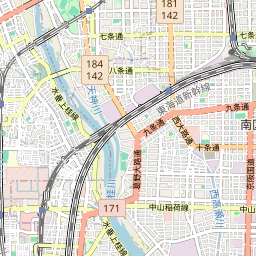
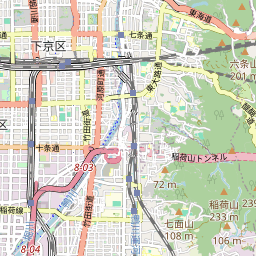
The map loads from Google Maps.
© OpenStreetMap contributors