Arashiyama Bamboo Grove
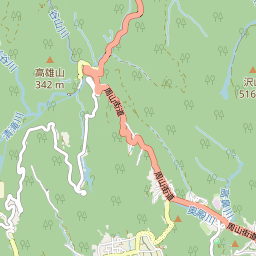
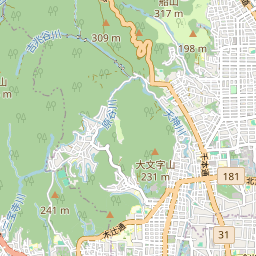
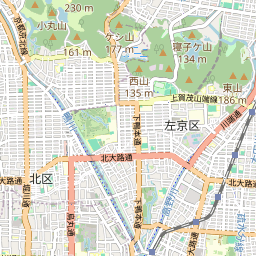
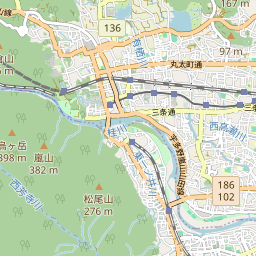
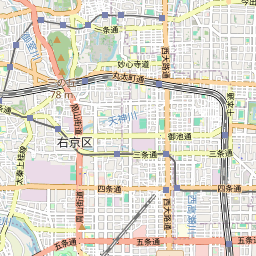
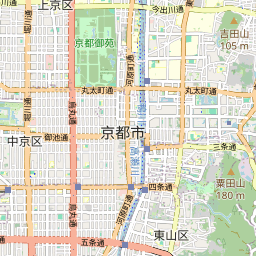
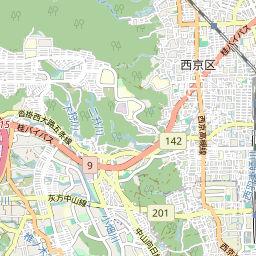
Located at the foot of the mountains on the western edge of Kyoto, the iconic path of the Arashiyama district offers one of the world's most unique natural and acoustic experiences. The ethereal light filtering through the towering bamboo stalks and the gentle rustling sound of the trunks swaying in the wind create an atmosphere so special that Japan's Ministry of the Environment has included it on the list of the '100 Soundscapes of Japan'. This green corridor is not just a visual wonder but a living intersection of nature and history, addressing some of the most pressing questions of sustainable tourism today.
History and Cultural Heritage Among the Bamboo
The history of the Arashiyama Bamboo Grove is deeply intertwined with Kyoto's imperial and religious past. Since the Heian period, it has been a favoured retreat for Japanese aristocracy, where nobles immersed themselves in poetry and meditation while admiring the beauty of nature. In Japanese culture, bamboo holds profound symbolic meaning: the fast-growing, flexible yet resilient plant represents strength, purity, and protection against evil spirits.
Adjacent to the bamboo grove lies the famous Tenryu-ji Zen Buddhist temple, a UNESCO World Heritage site. The 14th-century rock and moss garden surrounding the temple, along with the bamboo forest rising behind it, perfectly illustrates the principles of Japanese landscape design, where the boundaries between human-made architecture and untamed nature seamlessly blend.
The Challenges of Overtourism: When Silence is at Risk
In recent years, the rise of social media and global travel enthusiasm has made the Arashiyama Bamboo Grove one of the most photographed locations in the world. However, this increased attention places a heavy burden on the fragile ecosystem and the local community.
With daily visitor numbers reaching thousands, the once tranquil forest path, designed to inspire meditation, often turns into a crowded walkway. The greatest challenge lies in environmental damage: many visitors stray from designated paths, damaging the delicate moss carpets or carving inscriptions into the bamboo stalks. Since bamboo relies on a single interconnected root system, damaged trunks cannot regenerate, and infections can lead to the death of entire bamboo clusters. Additionally, noise pollution from tourist buses and crowds drowns out the unique acoustic experience of the wind rustling through the bamboo.
Sustainability and the Role of the Responsible Traveller
Local authorities and caretakers are continuously working to preserve the bamboo grove for future generations. Fences and protective barriers have been installed to safeguard young bamboo shoots, and multilingual signs raise awareness about adhering to conservation rules. By encouraging visits during illuminated evening hours or early mornings, they aim to distribute visitor numbers more evenly.
Responsible travel begins with respect for the destination. If you visit the Arashiyama Bamboo Grove, you can directly contribute to its preservation by making the following choices:
Arrive early in the morning, around sunrise, when the paths are not yet crowded, and you can experience the serene, untouched face of nature. Strictly stay on designated wooden and stone paths, and never touch or carve into the bamboo trunks. Opt for sustainable transportation methods, such as arriving by train or bicycle, and support local artisan businesses during your trip. By focusing on listening and being present rather than taking photos, you not only become a responsible traveller but also gain a truly profound, spiritual experience.
- Editorial Content -
Target group
-
Class trips
-
Families with younger children
-
Families with older children
-
Multigenerational programs
-
Friends
-
Seniors
-
Couples