Fushimi Inari-taisha
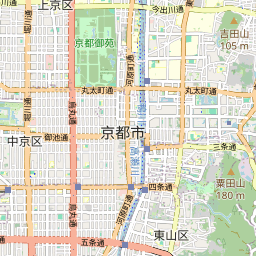
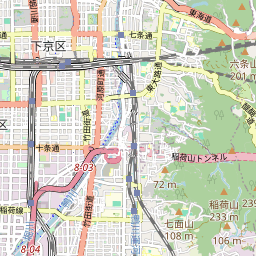
Located in the southern part of Kyoto, at the foot of Mount Inari, Fushimi Inari-taisha is one of Japan's most ancient, spectacular, and spiritually significant shrine complexes. The mysterious tunnels formed by thousands of vibrant orange-vermilion torii gates and the stone statues guarding the shrine grounds offer an unparalleled experience. This site is not only one of the most important centres of the Japanese Shinto religion but also a key testing ground for modern tourism, where millennia-old traditions meet the challenges of sustainability.
History, Sacred Foxes, and the Secrets of the Gates
The history of Fushimi Inari-taisha dates back to the early 8th century, to the year 711, even before Kyoto became the capital. The shrine was dedicated to Inari, the Shinto deity of rice, agriculture, fertility, economic success, and business prosperity. Over the centuries, prayers from farmers as well as merchants and businesses have been directed here, shaping the shrine's unique character.
Throughout the shrine grounds, you will encounter stone fox statues at every turn. In Japanese mythology, the fox, or kitsune, is not the deity itself but the sacred messenger of Inari. The statues often wear red bibs to ward off evil, and they hold protective symbols in their mouths, such as keys to granaries, jewels, or sheaves of rice.

The most famous hallmark of the complex is the so-called Senbon Torii, or the path of a thousand torii gates. While the gates are sometimes colloquially referred to as yellow or red, their actual colour is a distinctive, vibrant orange-vermilion shade (shu-iro). In Shinto beliefs, this traditional colour symbolises the repelling of evil spirits, fire, and life energy. The gates were not built by the state or the shrine itself but were donated by grateful worshippers, individuals, and businesses as a token of successful ventures and good wishes. The names of the donors and the dates of their donations can still be seen on the pillars of the gates.

The Challenges of Overtourism on the Sacred Mountain
Fushimi Inari is one of Japan's most popular tourist destinations, open 24 hours a day and free of charge. However, this extraordinary accessibility, combined with the influence of social media images, places significant pressure on the site and its natural surroundings.
The biggest challenge is the massive crowds that gather in the lower sections of Mount Inari. The congestion in the narrow gate tunnels not only diminishes the visitor experience but also disrupts the shrine's daily religious activities and the prayers of local worshippers. The accumulation of waste, inappropriate behaviour on the shrine grounds, and trampling of the sacred forests all threaten the mountain's delicate balance.

Sustainability and Responsible Travel
Fushimi Inari-taisha is not an open-air museum or amusement park but an actively functioning sacred site. Implementing the principles of sustainable tourism here depends on visitor awareness and the spatial and temporal distribution of crowds.
Responsible travellers can contribute most to preserving the site by carefully timing their visit and being more mindful during their experience. Visiting early in the morning around sunrise or late in the evening not only avoids the crowds but also allows you to experience the shrine's original, serene, and mystical atmosphere. Completing the full circular trail of over four kilometres up the mountain naturally disperses visitors across the hillside, reducing the strain at the entrance.
Responsible behaviour also includes fully respecting the shrine's rules. Staying on designated paths, taking your waste with you, and taking care of the gates and stone statues all help ensure that this unique cultural and spiritual heritage remains intact for future generations.
- Editorial Content -

Target group
-
Class trips
-
Families with younger children
-
Families with older children
-
Multigenerational programs
-
Friends
-
Seniors
-
Couples